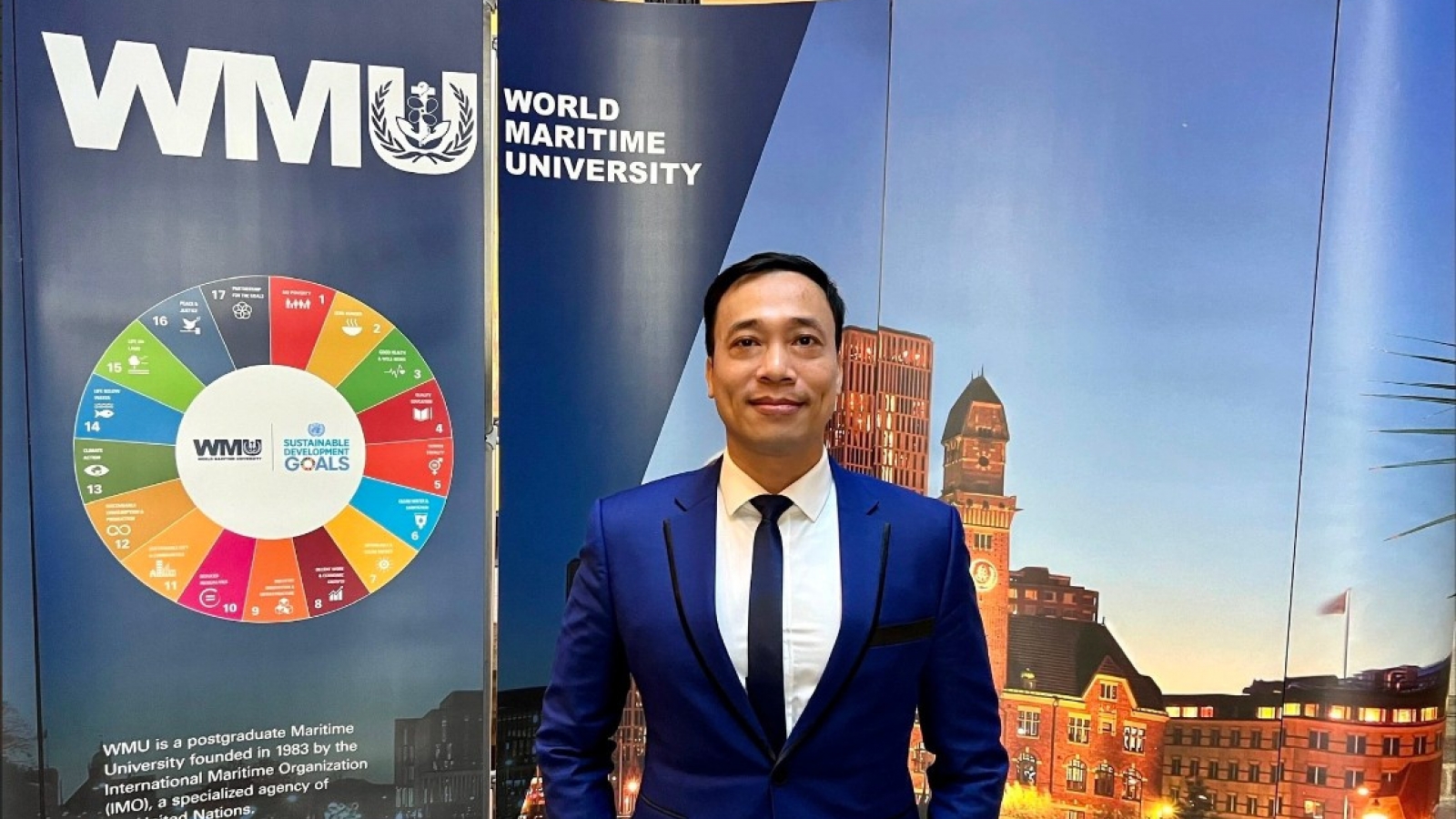
Five Vietnamese scientists named among Asia’s top 100 researchers in 2026

VOV.VN - Five Vietnamese scientists have been named on the Asian Scientist 100 list for 2026, underscoring Vietnam’s growing presence and deeper integration into the regional and global scientific research landscape.
The annual list, released by Singapore-based magazine Asian Scientist, recognises 100 outstanding researchers across Asia for their scientific achievements, breakthroughs and contributions to academia and industry.
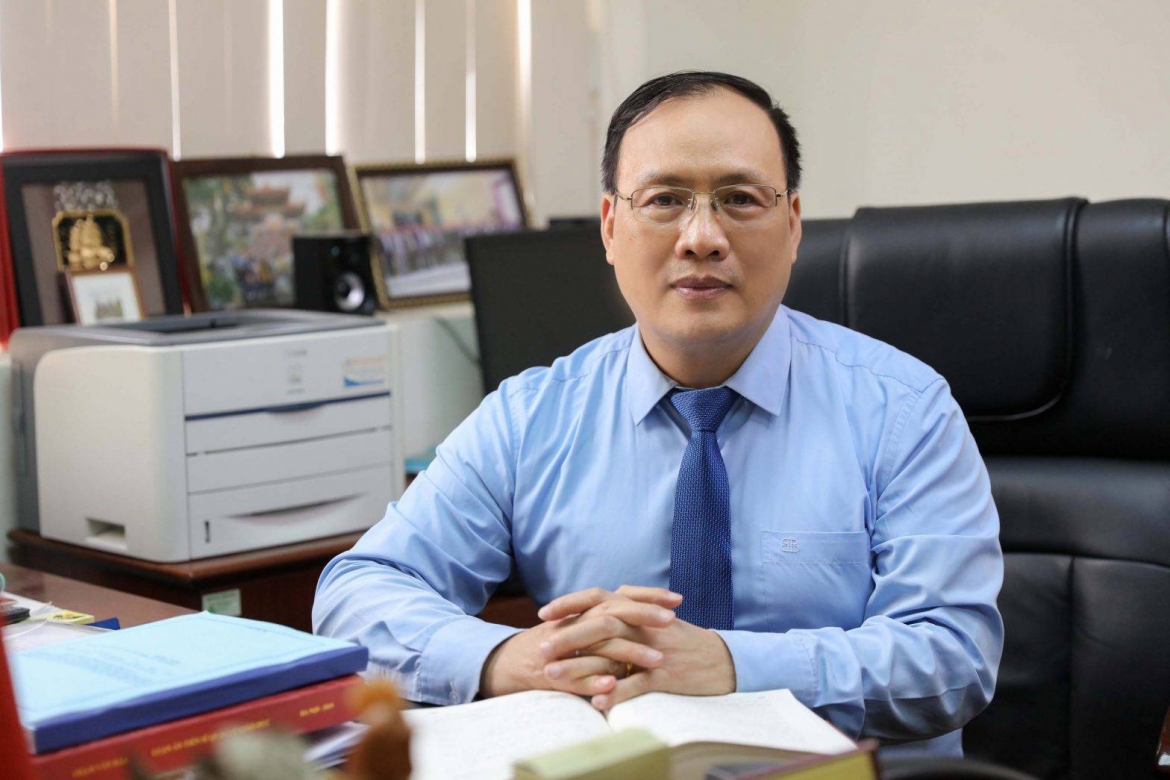
Among the Vietnamese honorees is Prof. Dr. Nguyen Dinh Duc from the University of Engineering and Technology (Vietnam National University, Hanoi – VNU), recognised for his contributions to materials science.
Prof. Dr. Duc received the 2024 Bao Son Award for his research in advanced composite materials and structures, including three-phase and functionally graded composites, advancing high-performance materials with applications in aerospace, engineering and modern industrial technologies.
For many consecutive years, he has been named among the world’s top 10,000 most influential scientists, and ranked 51st globally in the field of Engineering and Technology in 2025.
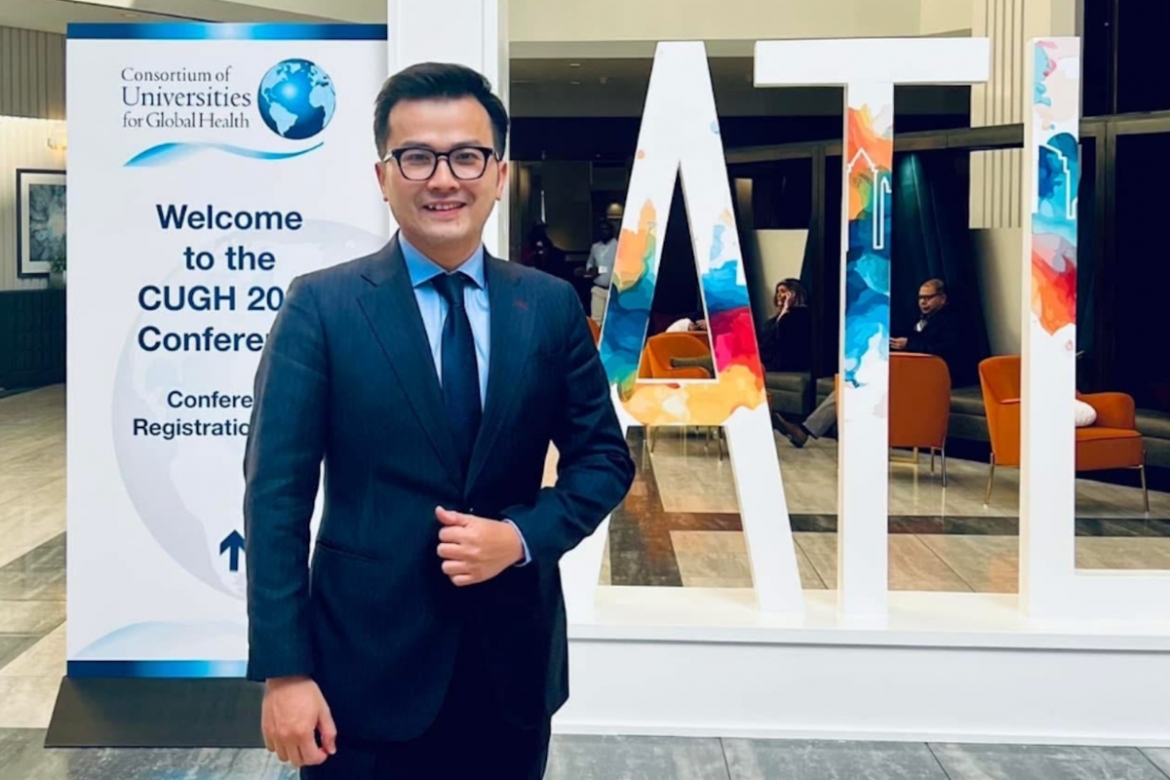
Another Vietnamese scientist on the list is prof. Dr. Tran Xuan Bach from the VNU University of Medicine and Pharmacy, recognised in the field of public health. He won the 2025 Global Health Innovation Leadership Award from the Consortium of Universities for Global Health for pioneering cost-effective, scalable health system models that strengthen public health systems in low- and middle-income countries.
His research integrates epidemiology, health economics and digital health to improve healthcare access, optimise resource allocation and enhance epidemic preparedness.
Asian Scientist noted that the Vietnamese scientist has led innovative initiatives addressing HIV/AIDS, mental health, aging and emerging infectious diseases, helping governments implement evidence-based policies and community-focused interventions. An experienced adviser to United Nations agencies, international organisations and governments across Asia, his work has advanced sustainable, data-driven approaches to disease prevention and health system resilience.
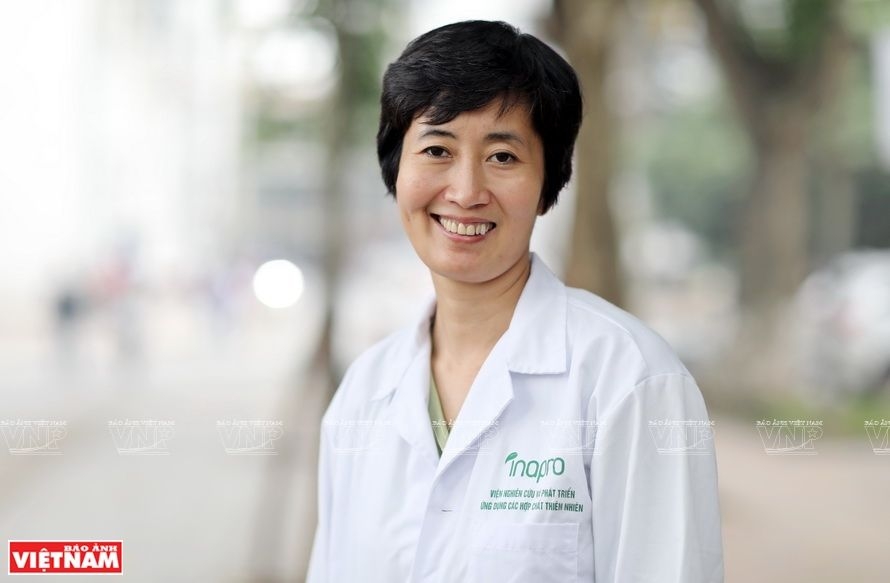
The list also honours Assoc. Prof. Dr. Nguyen Minh Tan of the Hanoi University of Science and Technology for his work in chemical technology and natural bioactive compounds.
The scientist received the 2024 Kovalevskaya Award for her research on natural compounds and bioactive substances, advancing pharmaceutical applications while enhancing the value and sustainable development of Vietnamese agricultural products.
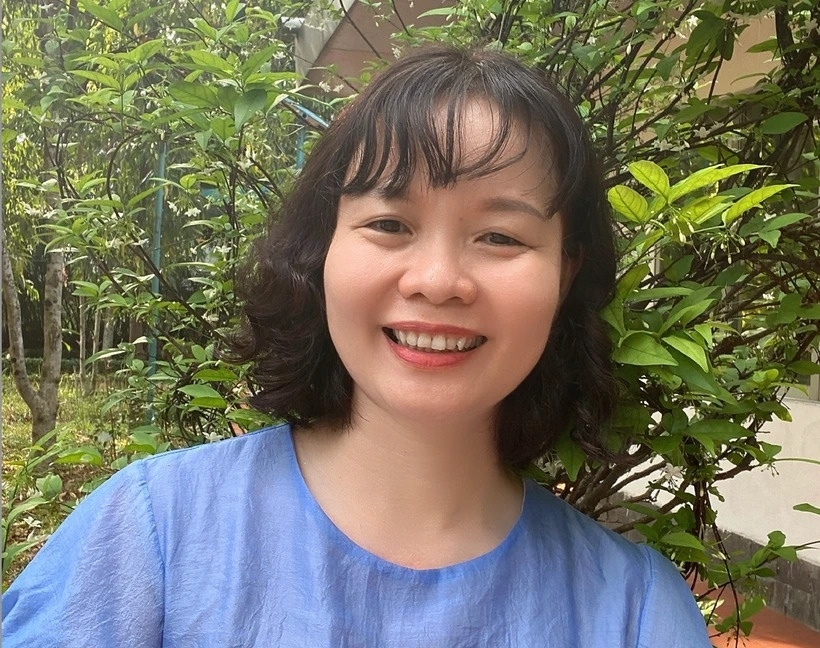
Assoc. Prof. Dr. Dang Thi My Dung from the Institute for Nanotechnology was recognised in nanotechnology and nano-inkjet printing, also receiving the Kovalevskaya Award 2024. Her research has helped develop conductive nano-inks and sensors with practical applications and contributed to technology transfer and innovation in Vietnam’s manufacturing sector.
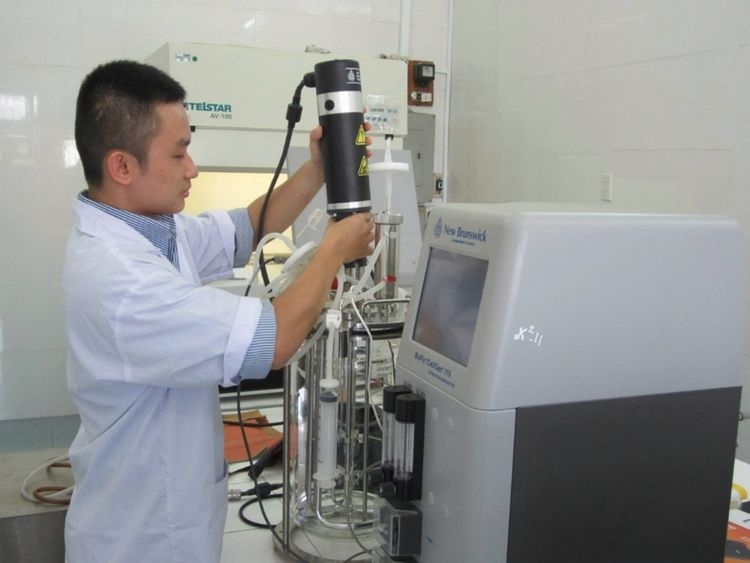
Meanwhile, Dr. Truong Hai Bang of Van Lang University, according to Asian Scientist, won the 2024 Golden Globe Science and Technology Award for his notable contributions to the field of environmental technology, including his in-depth research into the complex degradation mechanisms of organic compounds in water.
Asian Scientist is an English-language science and technology magazine founded in 2011 by Dr. Juliana Chan, a biologist from the Massachusetts Institute of Technology, and is currently published by Wildtype Media Group, a Singapore-based STEM media company.
Every year since 2016, the magazine compiles a list of Asia’s most outstanding researchers. Now into its eighth edition, the Asian Scientist 100 list celebrates the success of the region’s best and brightest, highlighting their achievements across a range of scientific disciplines.
To be acknowledged on this list, the honouree must have received a national or international prize in the preceding year for his or her research. Alternatively, he or she must have made a significant scientific discovery or provided leadership in academia or industry.
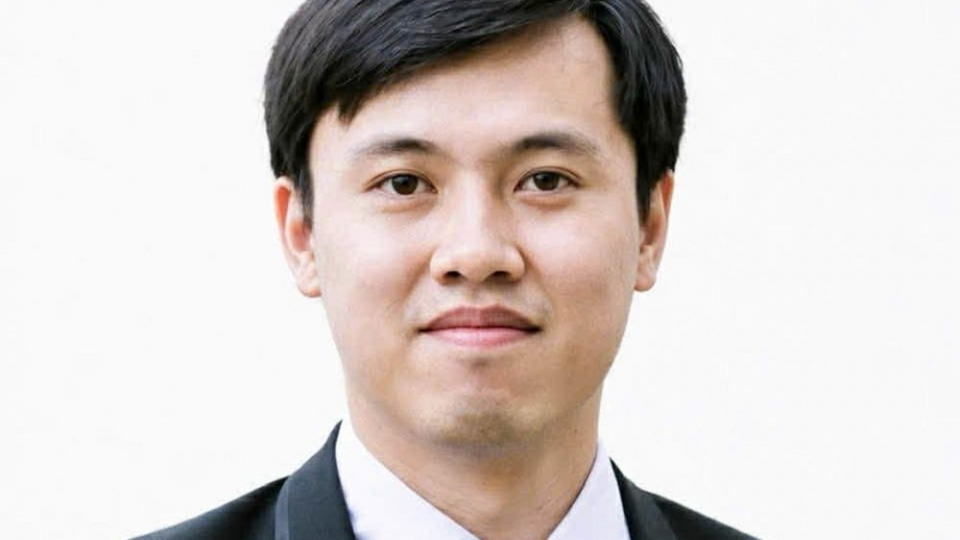
Vietnamese scientist wins NSF CAREER Award in United States
VOV.VN - Vietnamese researcher Hoang Trong Nghia has been awarded the prestigious CAREER Award by the National Science Foundation, one of the most competitive honours for early career scientists in the United States.