El Niño forecast raises risk of extreme heat and severe weather in Vietnam

VOV.VN - El Niño is expected to develop between June and August 2026 with a probability exceeding 90%, bringing an increased risk of extreme heat, drought and severe weather across Vietnam through the end of the year, according to the National Centre for Hydro-Meteorological Forecasting.
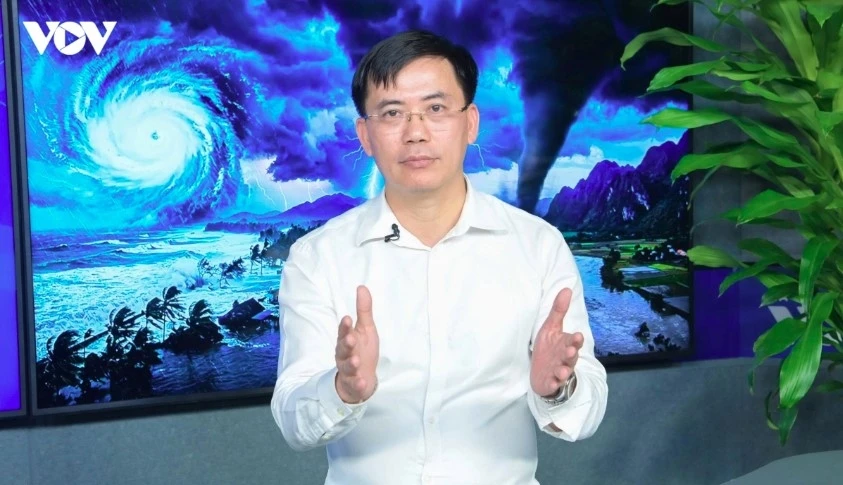
Nguyen Van Huong, head of the centre’s Weather Forecast Department, said El Niño conditions are likely to persist through late 2026 and into early 2027. The probability of a very strong El Niño event has risen to around 40%, compared with earlier forecasts of 25%.
“This is a signal that warrants close attention, as strong El Niño events are often associated with extreme natural hazards,” Huong emphasized.
The National Centre for Hydro-Meteorological Forecasting expects above-average temperatures nationwide, with more frequent and intense heatwaves. The number of hot days could surpass levels recorded in 2025.
At the same time, total rainfall across the country is expected to be 25-50% below the long-term average, particularly in northern Vietnam. However, lower overall rainfall does not eliminate the risk of extreme weather.
According to Huong, localised downpours with exceptionally high rainfall intensity could still occur within short periods, increasing the likelihood of flash floods, landslides and urban flooding.
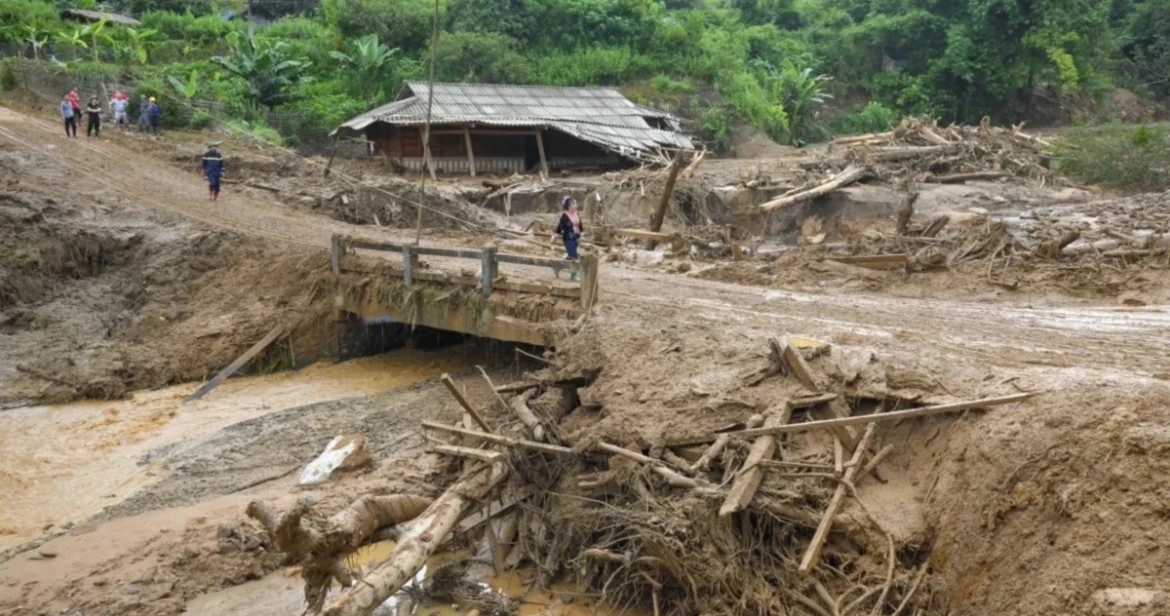
He noted that one of the most concerning features of climate change is that natural disasters are becoming increasingly localised, extreme and difficult to predict. Rainfall may be lower than average overall, yet severe rainstorms can still occur in individual areas.
Although the number of storms and tropical depressions in the East Sea is expected to remain below the long-term average, forecasters warned of the possibility of powerful storms with unusual tracks and significant impacts.
The peak rainy and storm season runs from July to November. During this period, widespread heavy rainfall could trigger flash floods and landslides in mountainous areas, while causing serious flooding in urban centres. Thunderstorms, lightning, hail and strong winds are forecast to occur more frequently than usual.
“Natural disasters may be fewer in number, but they are likely to become more extreme and more localised,” Huong warned.
El Niño is also likely to increase the risk of water shortages. River flows and reservoir levels are projected to remain below average during the 2026 flood season, while prolonged rainfall deficits could lead to drought, saltwater intrusion and serious water shortages in the early months of 2027.
Previous El Niño episodes have brought severe drought and saltwater intrusion to parts of Vietnam, highlighting the potential impacts of the climate phenomenon.
The National Centre for Hydro-Meteorological Forecasting also noted that, despite below-average annual rainfall, the likelihood of short-duration extreme rainfall events remains high. Recent episodes of intense rainfall in northern Vietnam have underscored the increasing volatility of weather patterns.
In response to the evolving weather outlook, localities have been urged to intensify disaster preparedness measures, particularly for prolonged heatwaves, drought, saltwater intrusion and extreme rainfall that could trigger flash floods and landslides.
Residents have been advised to closely monitor weather forecasts and warnings as climate change continues to drive increasingly extreme and unpredictable weather conditions.

Severe cold spell dissipates, warm weather expected in Northern Vietnam
VOV.VN - The severe cold spell which has blanketed northern and north-central localities of Vietnam over the past nine days is dissipating, and the localities are expected to get warm in a couple of days in the lead-up to the lunar New Year’s Eve.

Severe weather delays Vietnam Airlines flights to Hong Kong, China
VOV.VN - Hundreds of Vietnam Airline passengers heading to Hong Kong or Guangzhou (China) from Hanoi or Ho Chi Minh City had unexpected delays Sunday (July 23) due to severe weather.