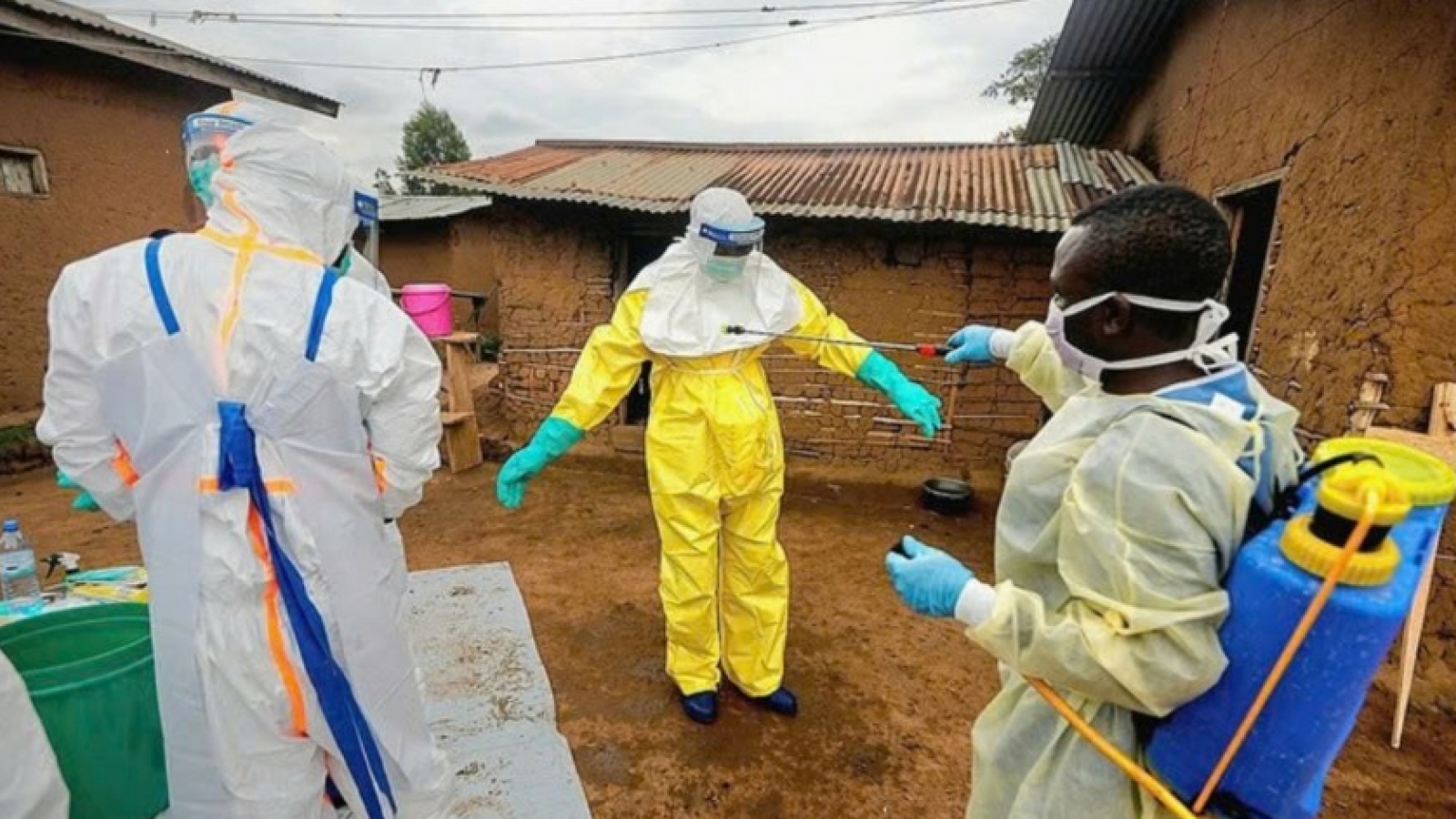
Ebola fatality rate can reach 90%, health ministry orders strict isolation

VOV.VN - Vietnam’s Ministry of Health has issued new guidelines on the diagnosis and treatment of Ebola, requiring strict isolation for suspected cases to prevent the risk of an outbreak.
Ebola is a dangerous acute infectious disease that can develop into a large-scale epidemic, with fatality rates reaching as high as 90% in some outbreaks.
According to the new guidelines, Ebola was first identified in 1976 near the Ebola River in the Democratic Republic of the Congo, from which the virus takes its name.
The virus spreads mainly through direct contact with the blood, bodily fluids or tissues of infected people and animals such as fruit bats, primates and porcupines. Items contaminated with bodily fluids, including clothing, bedding and used needles, can also transmit the disease.
The Ministry of Health said the Ebolavirus genus currently includes six different species, of which Zaire ebolavirus, Sudan ebolavirus and Bundibugyo ebolavirus have caused multiple major outbreaks in Africa. Notably, only Zaire ebolavirus currently has an approved vaccine and specific monoclonal antibody treatments.
People at high risk of infection include hunters, people living in forested areas who come into contact with sick or dead wild animals, those exposed to the blood and bodily fluids of Ebola patients, and healthcare workers directly treating infected patients.
Ebola has an incubation period ranging from two to 21 days. Symptoms often begin with sudden high fever, headache, muscle pain, fatigue, sore throat, vomiting, diarrhoea and abdominal pain. In severe cases, patients may develop a widespread rash, haemorrhaging, black stools, coughing up blood, bleeding gums, multiple organ failure and shock.
The new guidelines identify RT-PCR testing as the gold standard for detecting the Ebola virus. Rapid antigen tests, along with blood, coagulation and biochemical tests, are also used to support diagnosis and monitor disease progression.
A suspected case is defined as a patient with a fever of at least 38 degrees Celsius accompanied by symptoms such as headache, vomiting, diarrhoea, abdominal pain or unexplained bleeding, along with epidemiological risk factors within 21 days before symptom onset, including travel to or from outbreak areas or contact with Ebola patients.
Regarding treatment, the Ministry of Health stressed the principle of complete isolation and intensive supportive care. The monoclonal antibody treatments INMAZEB and EBANGA have proven effective against Zaire ebolavirus. However, no approved specific treatments are currently available for other Ebola strains.
Treatment measures mainly include fever reduction using Paracetamol, fluid and electrolyte replacement, anti-vomiting medication, seizure control, blood transfusions in cases of acute blood loss, and intensive care for shock or multiple organ failure. The ministry advised against the use of non-steroidal anti-inflammatory drugs such as Ibuprofen and Diclofenac because they may worsen blood clotting disorders.
Pregnant women, children, older adults and immunocompromised people face a higher risk of severe disease progression and require close monitoring. Breastfeeding women are advised to stop breastfeeding because the virus can spread through breast milk.
As part of disease prevention measures, all suspected or confirmed Ebola cases must be isolated and treated at medical facilities and must not be treated at home. Close contacts must monitor their health for 21 days from their last exposure.
The Ervebo vaccine was approved in 2019 by the World Health Organization and the U.S. Food and Drug Administration for prevention against Zaire ebolavirus, although no effective vaccines are currently available for other Ebola strains.
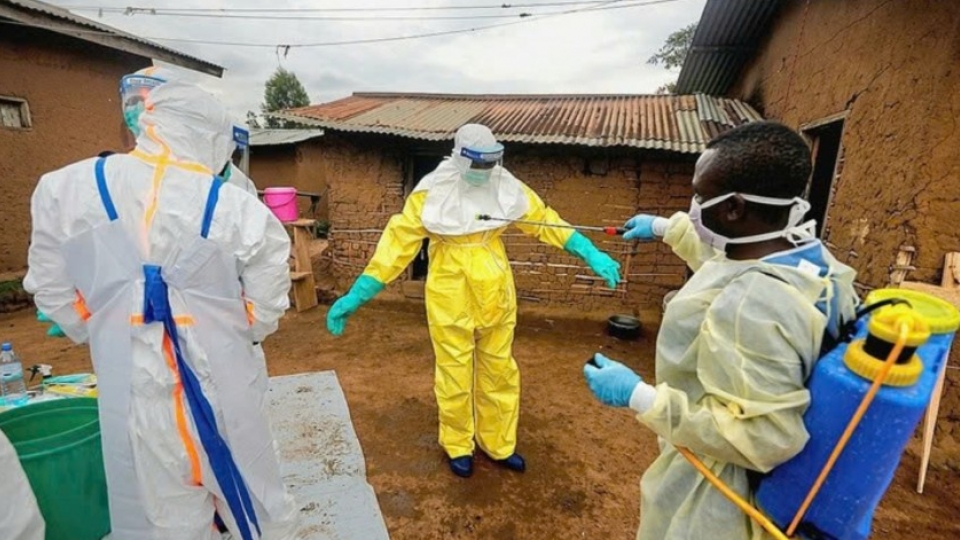
Vietnam orders 21-day monitoring for arrivals from Ebola-hit areas
VOV.VN - Vietnam’s Department of Medical Service Administration under the Ministry of Health has urged stronger Ebola prevention and control measures, including close monitoring of people arriving from countries with current or recent Ebola outbreaks within the previous 21 days, amid concerns over the risk of the disease entering the country.

WHO acknowledges Vietnam’s proactive Ebola preparedness efforts
The World Health Organisation (WHO) has assessed the risk of Ebola transmission as low globally, including in Vietnam, and acknowledged the proactive efforts of Vietnam’s Ministry of Health and the Government’s urgent direction in preparing the system and strengthening response capacity to the outbreak.