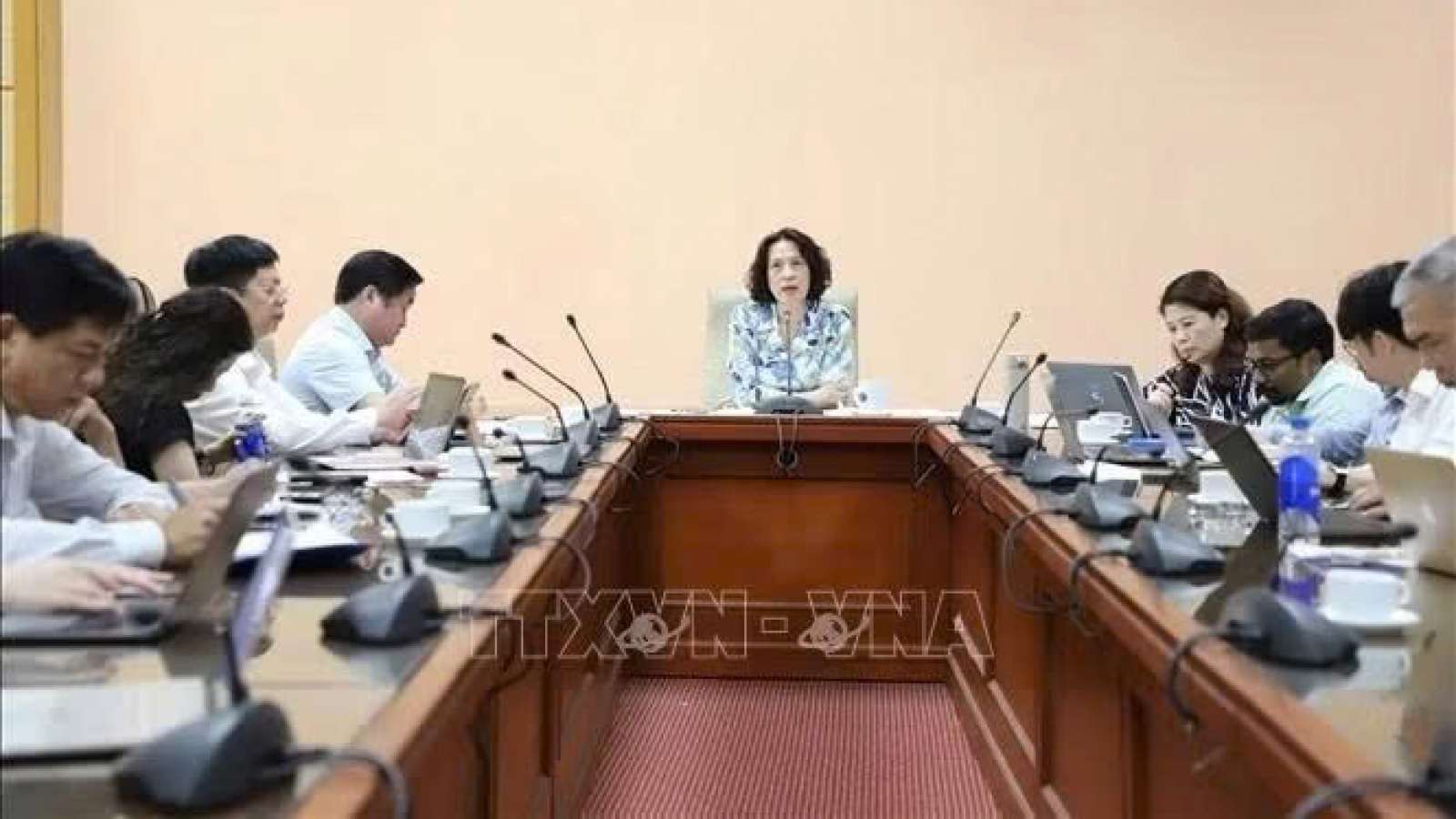
Vietnam orders 21-day monitoring for arrivals from Ebola-hit areas

VOV.VN - Vietnam’s Department of Medical Service Administration under the Ministry of Health has urged stronger Ebola prevention and control measures, including close monitoring of people arriving from countries with current or recent Ebola outbreaks within the previous 21 days, amid concerns over the risk of the disease entering the country.
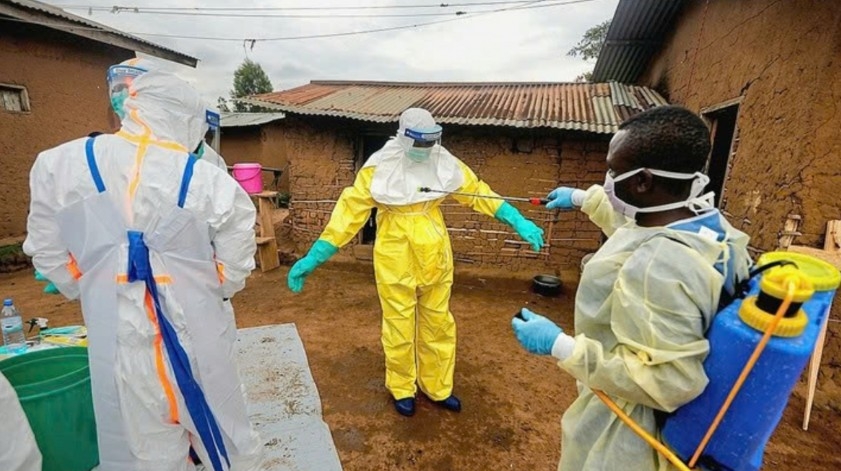
According to the department, Ebola virus disease is a severe acute infectious disease in humans, often accompanied by haemorrhagic syndrome and multi-organ failure, with a fatality rate of up to 90%.
The disease is transmitted through direct contact with tissues, blood and bodily fluids of infected humans or animals and can trigger outbreaks. The virus can also spread from person to person through direct contact, via broken skin or mucous membranes, with blood, secretions and bodily fluids, including faeces, urine, saliva and semen, from infected individuals.
People may also contract Ebola through contact with contaminated items used by infected patients, including clothing, blankets and used needles.
According to the World Health Organization (WHO), from May 5 to May 20, the Democratic Republic of the Congo and Uganda recorded 600 suspected Ebola cases, including 139 deaths. More than 50 cases were confirmed to have contracted the Bundibugyo strain, one of the six known strains of the Ebola virus.
Amid the risk of Ebola entering Vietnam, the Department of Medical Service Administration requested hospitals and provincial and municipal health departments to intensifydisease prevention and control measures at medical facilities, with particular attention to people arriving from countries with current or recent Ebola outbreaks within the previous 21 days.
The department also called for enhanced monitoring and supervision of infection control measures at hospitals and medical facilities, as well as strict screening, triage and isolation of all suspected or confirmed Ebola cases at treatment facilities.
Medical facilities were instructed to promptly identify suspected cases for isolation and coordinate with preventive health agencies in testing, diagnosis, treatment and disease control in line with professional guidelines issued by the Ministry of Health.
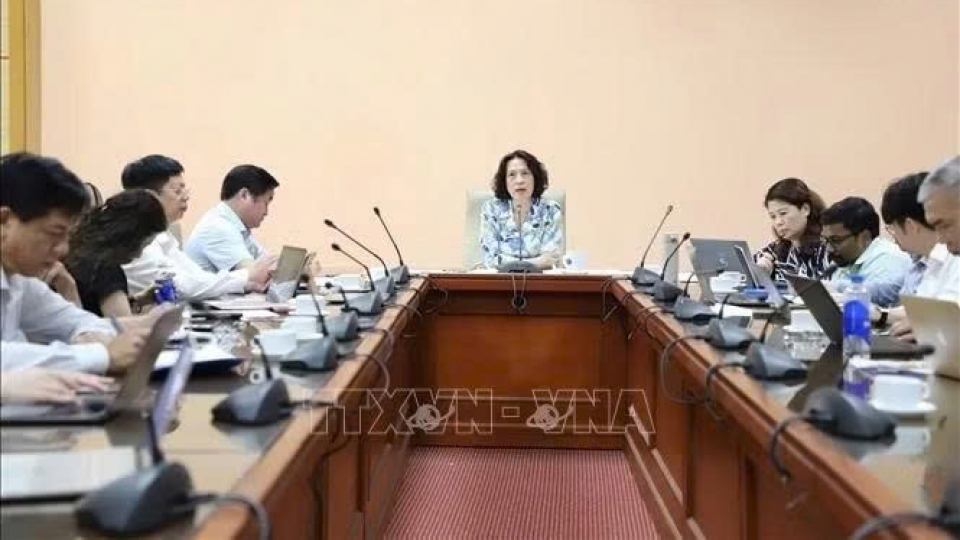
WHO acknowledges Vietnam’s proactive Ebola preparedness efforts
The World Health Organisation (WHO) has assessed the risk of Ebola transmission as low globally, including in Vietnam, and acknowledged the proactive efforts of Vietnam’s Ministry of Health and the Government’s urgent direction in preparing the system and strengthening response capacity to the outbreak.
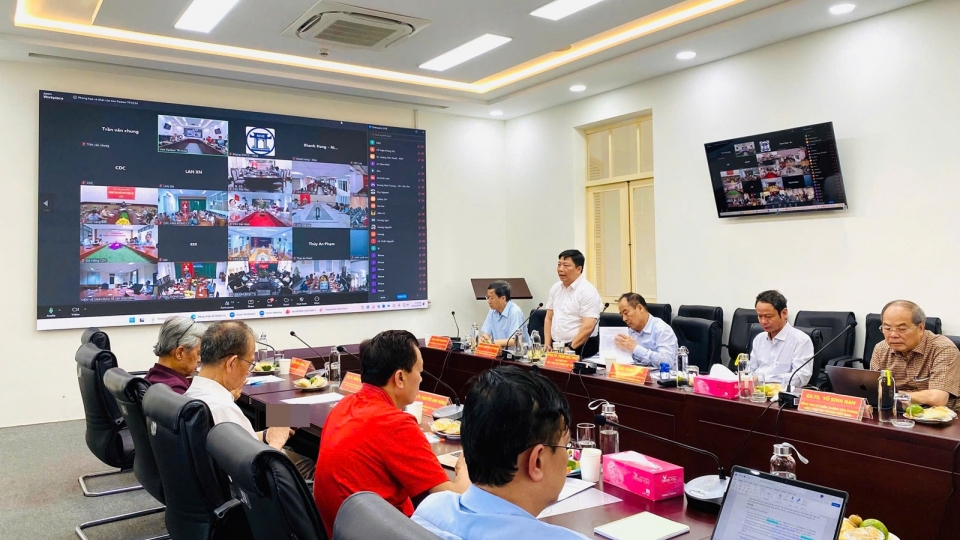
Vietnam activates Ebola surveillance after WHO emergency alert
VOV.VN - Following an emergency alert from the World Health Organisation (WHO) over a new Ebola outbreak in Africa, Vietnam’s health sector has moved to strengthen surveillance measures amid concerns about the risk of cross-border transmission through international travel.