


Central Vietnam prepares evacuation plans as heavy rain raises flood risks

VOV.VN - Authorities in central Vietnam are urgently reviewing vulnerable areas and preparing personnel, equipment and evacuation plans as prolonged heavy rain threatens riverside flooding, flash floods and landslides from Nghe An to Dak Lak.
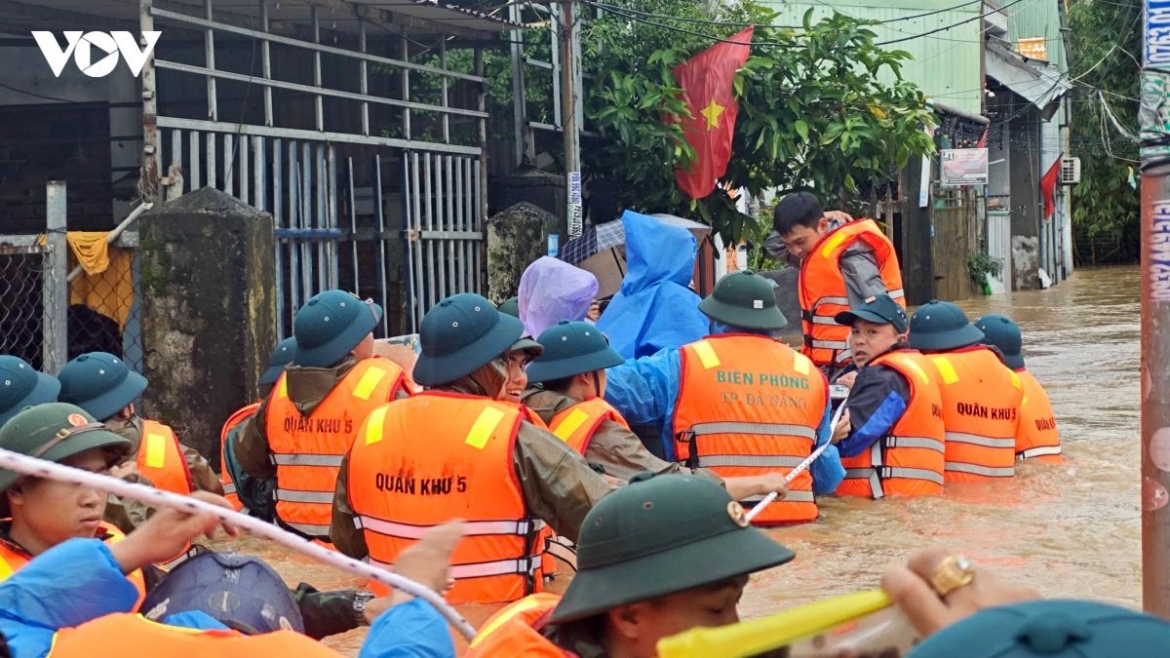
Heavy rain has affected several areas of the north-central region in recent days, with some locations recording more than 400mm in just 13 hours. According to the National Centre for Hydro-Meteorological Forecasting, rainfall between 7pm on November 8 and 8am on November 9 reached 449.2mm at Thanh Tan 1 station in Thanh Hoa province and 222.2mm at Nong Truong 15 station in Nghe An province. Moderate to heavy rain, with locally heavy downpours, was also recorded in several other areas from Thanh Hoa to Ha Tinh provinces.
Notably, the area of heavy rainfall is expected to shift southwards. On November 9 and overnight, Ha Tinh and Quang Tri are forecast to experience heavy to very heavy rain, with accumulated rainfall generally ranging from 100mm to 250mm and locally exceeding 350mm. From November 9 to the night of November 10, areas from Quang Tri to Da Nang city and Quang Ngai could receive 150-300mm, with some places recording more than 500mm.
Moderate to heavy rain is also forecast for Gia Lai, Dak Lak and Khanh Hoa, with isolated areas potentially receiving over 200mm.
Meteorologists have warned that rainfall intensity could exceed 100mm in three hours, increasing the risk of flooding in low-lying areas, urban centres and industrial zones, as well as flash floods along small rivers and streams and landslides on steep slopes.
Water levels on rivers from Quang Tri to Dak Lak stay below alert level 1, the lowest of Vietnam’s three flood alert levels. However, a new flood event is likely in the region between November 9 and 12. Peak river levels in Hue city could reach alert level 2 or higher, while rivers in Quang Tri, Da Nang and Quang Ngai are anticipated to rise to alert levels 1-2, with some exceeding alert level 2. The risk of flooding in low-lying riverside areas and urban centres, along with flash floods and landslides in mountainous areas, is considered high.
The weather system is being driven by a combination of cold air and upper-level easterly winds, according to meteorologists. Strengthening cold air, together with moisture-laden winds blowing inland from the sea, is creating favourable conditions for heavy rain to develop and persist across central Vietnam. The region’s steep mountainous terrain and narrow coastal plains also cause rainwater to flow rapidly into rivers and streams, heightening the risk of sudden rises in water levels and downstream flooding.
Authorities mobilise resources and prepare for evacuations
Amid the complex developments, Deputy Prime Minister Ho Quoc Dung signed Government Dispatch No. 73 on November 7, directing localities from Nghe An to Dak Lak to urgently implement measures to respond to heavy rain, flooding, inundation, flash floods and landslides.
The dispatch instructs local authorities to review their response plans and proactively deploy personnel, vehicles and equipment to areas frequently exposed to deep flooding, landslides and isolation. Particular attention must be paid to communities in high-risk locations, with authorities required to make immediate preparations for relocating and evacuating residents to safe areas, ensuring that no locality is caught off guard by sudden changes in weather conditions.
Local administrations have also been tasked with assigning leaders to conduct on-site inspections and directly oversee response efforts in key areas. Traffic must be controlled and road users guided through deeply flooded sections, fast-flowing waters, low-water crossings and locations at risk of landslides.
Military and police forces have been instructed to remain on standby to coordinate with local authorities in evacuating residents and conducting search and rescue operations whenever necessary.
Heavy rain is forecast to continue across central Vietnam over the coming days before gradually easing from November 12. Localities have been urged to closely monitor weather developments and maintain proactive measures to safeguard people’s lives and property.
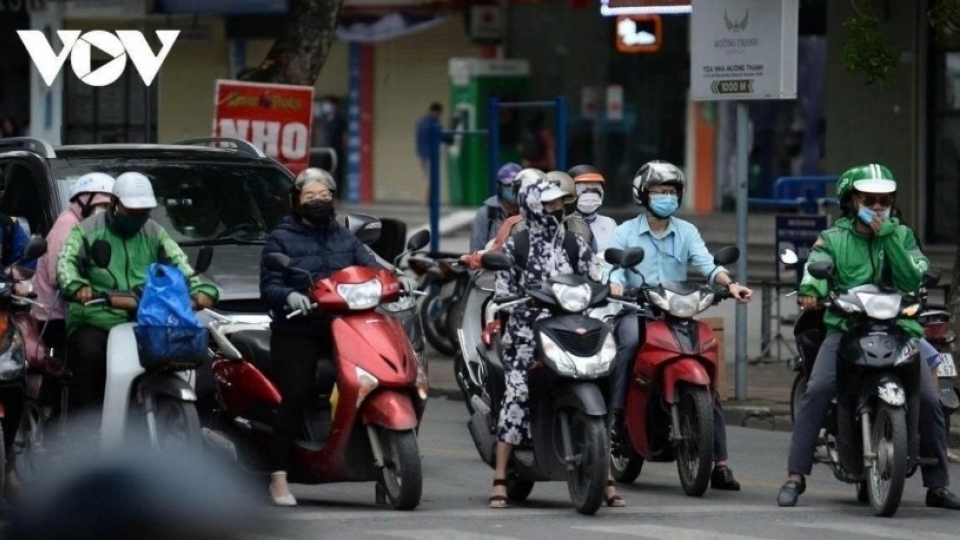
Cold snap hits northern Vietnam with freezing lows, central region faces heavy rain
VOV.VN - A strong cold air mass expanding across Vietnam will cause temperatures in northern Vietnam to plunge from November 9 while triggering prolonged heavy downpours, flash floods, and landslide risks across the central region through November 11.


