


ADB helps to modernise irrigation systems in Vietnam

VOV.VN - The Asian Development Bank (ADB) and the Government of Vietnam signed a US$42.76 million financing package on September 3 to modernise irrigation systems and strengthen farmers’ resilience to climate change and growing pressure on water resources in Dong Nai, Gia Lai and Quang Ngai provinces.
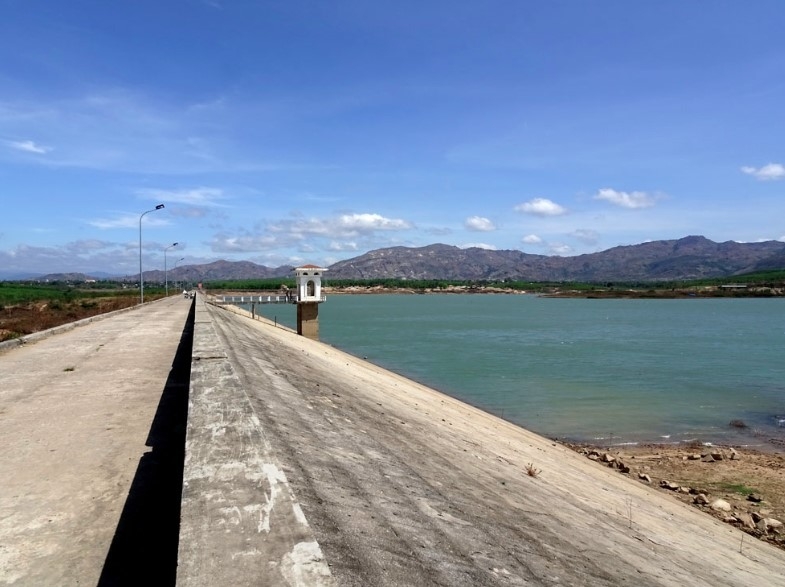
The Climate Adaptation Through Irrigation Modernisation Project will directly benefit about 295,500 people. By modernising seven irrigation systems and improving water management, it will help farmers to cope with drought, shifting rainfall patterns, and growing competition for water resources.
“Modern and reliable irrigation systems are essential to safeguard rural livelihoods and strengthen food security, as severe weather events put increasing pressure on water resources,” said ADB Country Director for Vietnam Shantanu Chakraborty.
“This project will provide farmers with more reliable irrigation services, helping them diversify into higher-value crops and build more resilient and sustainable livelihoods”, he added.
The project will strengthen irrigation management by developing national guidelines for irrigation services that are modern, weather-adaptive, and responsive to the needs of women and girls. These guidelines will cover irrigation planning and management, weather-adaptive irrigation system designs, operation and maintenance, and integration of digital technologies. At farms, the project will support the adoption of weather-adaptive agricultural practices and the establishment or strengthening of water user groups.
The US$42.76 million financing is comprised of US$40.66 million from ADB’s ordinary capital resources and two ADB-administered grants financed by the Government of Japan. Of these, US$1.5 million comes from the Japan Fund for Prosperous and Resilient Asia and the Pacific, while US$600,000 comes from the High-Level Technology Fund.
The project will increase cultivable irrigated areas with reliable water supply to 21,941 hectares and expand areas for high-value crops and crop diversification to 11,399 ha. Women will comprise at least 40% of participants in training on high-efficiency irrigation and weather-adaptive agriculture.
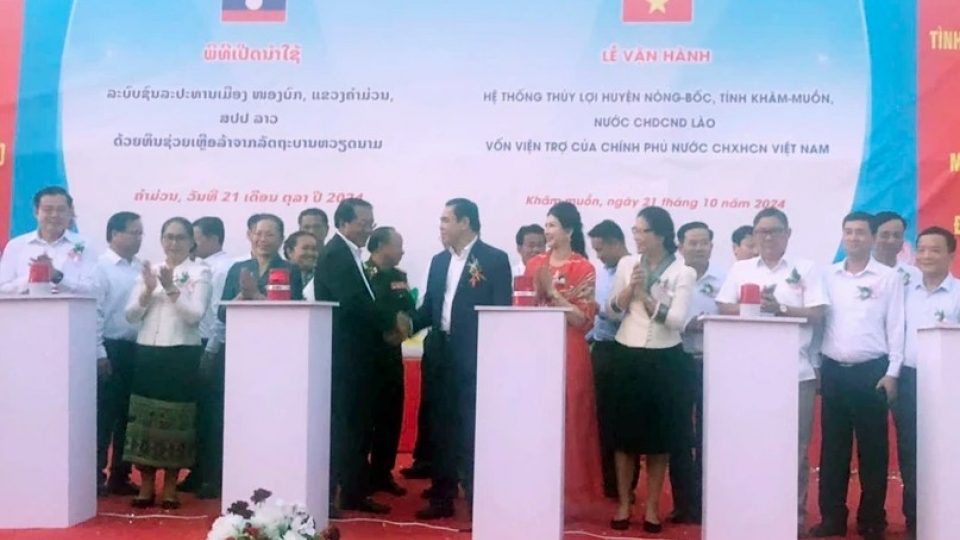
Vietnamese-funded irrigation system put into operation in Lao district
An irrigation system, built with non-refundable aid provided by the Vietnamese Government, was put into operation on October 21 in Nongbok district in Khammouane province of Laos.


