26 new caves discovered in Phong Nha - Ke Bang National Park

VOV.VN - A large-scale cave expedition in Phong Nha–Ke Bang National Park (central Vietnam) has identified 26 previously unknown caves along with rare geological formations, reinforcing the area’s status as one of the world’s most significant karst regions.
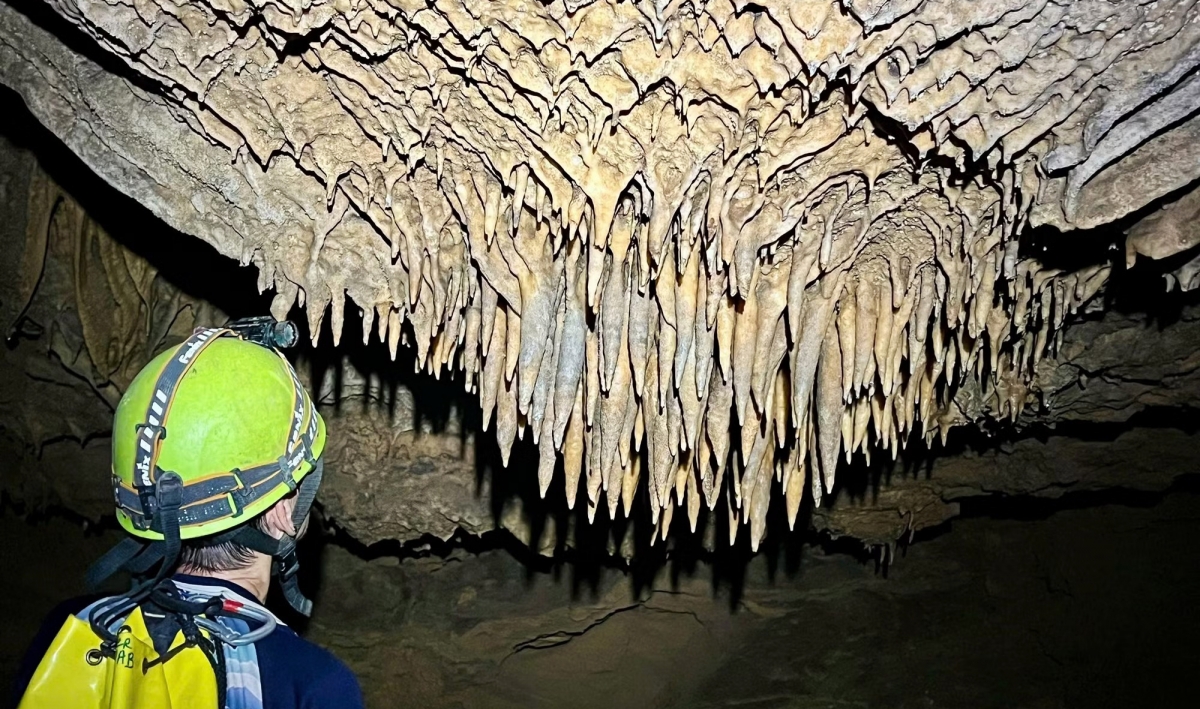
The survey, conducted between late March and mid-April 2026, involved 10 cave experts from the United Kingdom, Australia, New Zealand and Hungary, working in coordination with local teams. The group explored 29 caves across multiple locations, including 26 newly discovered ones, with a total surveyed length exceeding 13.6 kilometres.
Hard-to-access cave features 300m waterfall
Among the discoveries, Cha Ngheo Cave stands out for its extreme difficulty of access. The cave features a deep vertical shaft and contains an underground waterfall exceeding 300 meters in height, an uncommon feature in Vietnam’s cave systems.
According to Howard Limbert, leader of the British Royal Cave Exploration team, it is one of the most challenging caves he has encountered in over three decades of exploration. Reaching the interior required advanced rope techniques, bolting, and careful navigation in slippery, low-light conditions.
The cave has not yet been fully surveyed, suggesting the possibility of a much larger system within the limestone massif.
Large-scale caves with high scientific value
In addition to Cha Ngheo, several other caves were identified as having strong scientific significance and tourism potential.
Thien Cung Cave, stretching over 4.2 km, is the longest cave recorded during the expedition. It features vast chambers up to 80 metres wide and 100 metres high, with evidence of ancient water flows and hydrological connections to underground rivers.
Other caves, including Nuoc Lan Cave (2.7 km) and Ma Dom Cave (over 1.2 km), highlight the dynamic development of the region’s karst terrain, combining deep vertical shafts with extensive horizontal passages.
Balancing conservation and development
Pham Hong Thai, director of the park, said the findings further confirm the site’s outstanding global value while opening opportunities for sustainable tourism.
However, he emphasised that any form of tourism must be carefully assessed, particularly in structurally sensitive or hazardous caves like Cha Ngheo, which is considered unsuitable for mass tourism.
By contrast, areas such as Mo Ro Cave may be developed for adventure tourism thanks to their diverse landscapes and relatively easier access, though still requiring specialised skills.
Experts say the new discoveries contribute valuable data on the geological and geomorphological evolution of Phong Nha - Ke Bang National Park, a site recognised by UNESCO as a World Natural Heritage area.
With vast areas of its cave system still unexplored, Phong Nha–Ke Bang is expected to remain a key destination for scientific research while advancing sustainable and adventure tourism models in the future.
Let's have a look at some pictures of the new caves


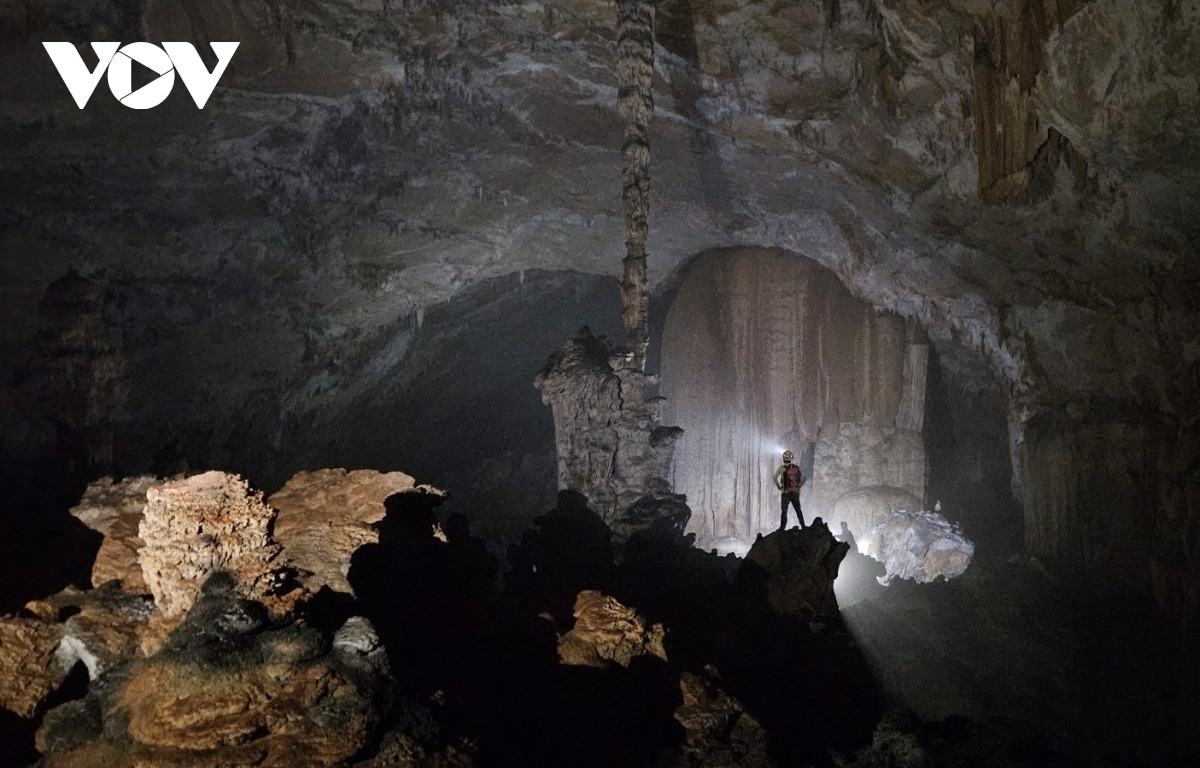
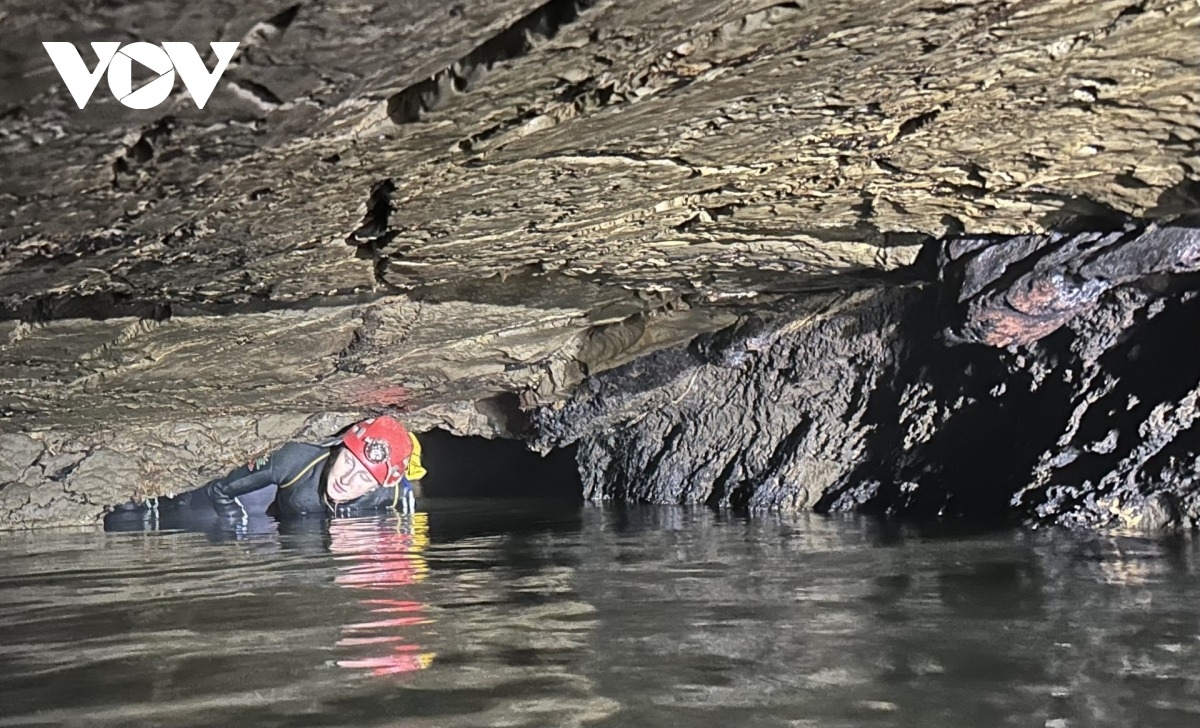
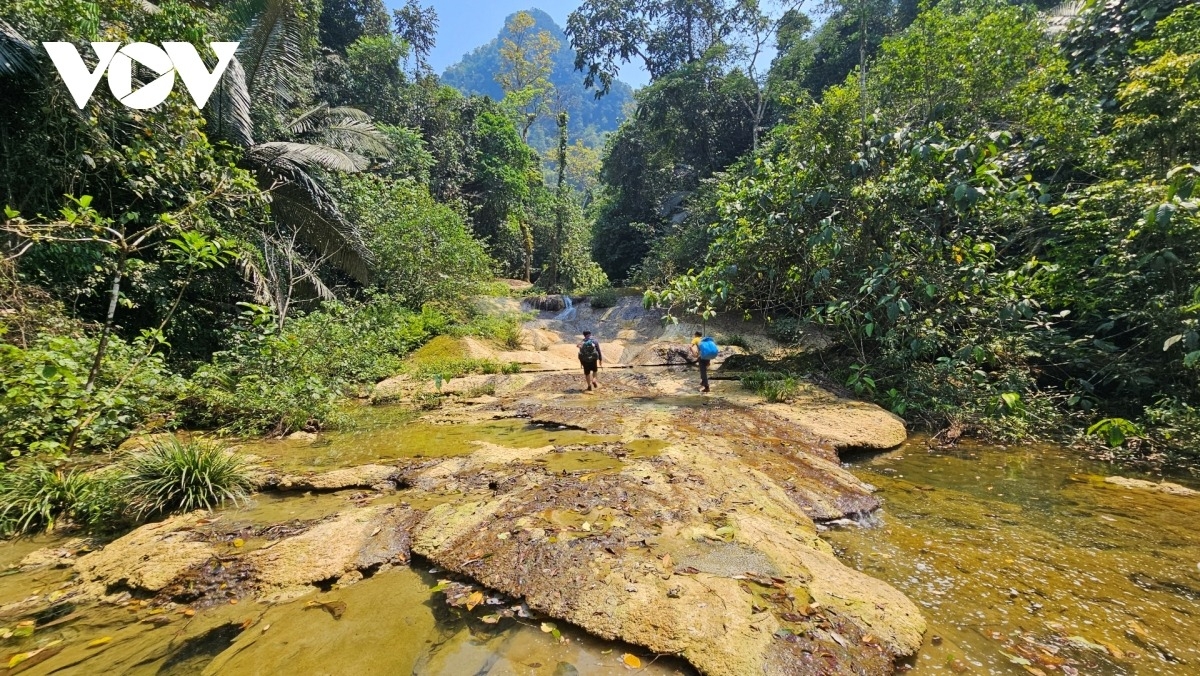
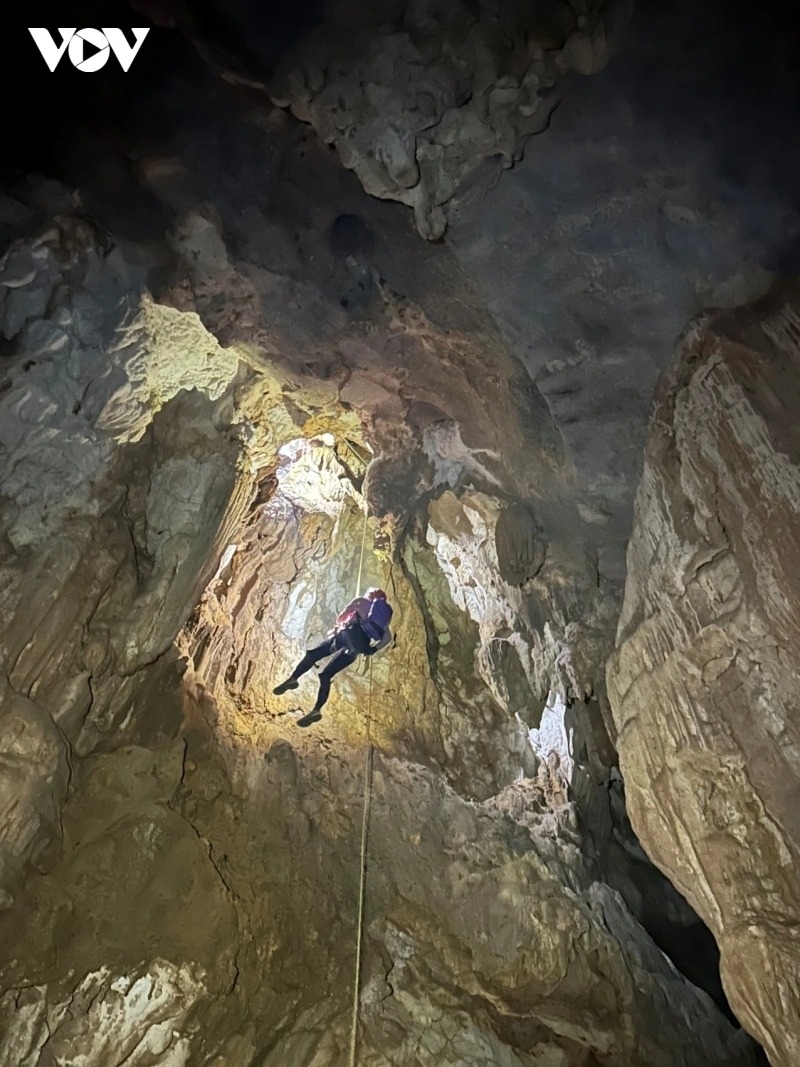


New cave with rare waterfall discovered in Phong Nha–Ke Bang National Park
VOV.VN - A newly discovered cave featuring a rare internal waterfall has been found in Phong Nha–Ke Bang National Park, highlighting the area’s vast and still largely unexplored karst landscape.