Vietnam’s 16th NA election forms catalyst for new era of national development

Vietnam’s upcoming election of deputies to the 16th NA and People’s Councils at all levels for the 2026-2031 term represents a crucial step in realising the strategic objectives outlined at the 14th National Congress of the Communist Party of Vietnam, helping the country move confidently into a new era of growth.
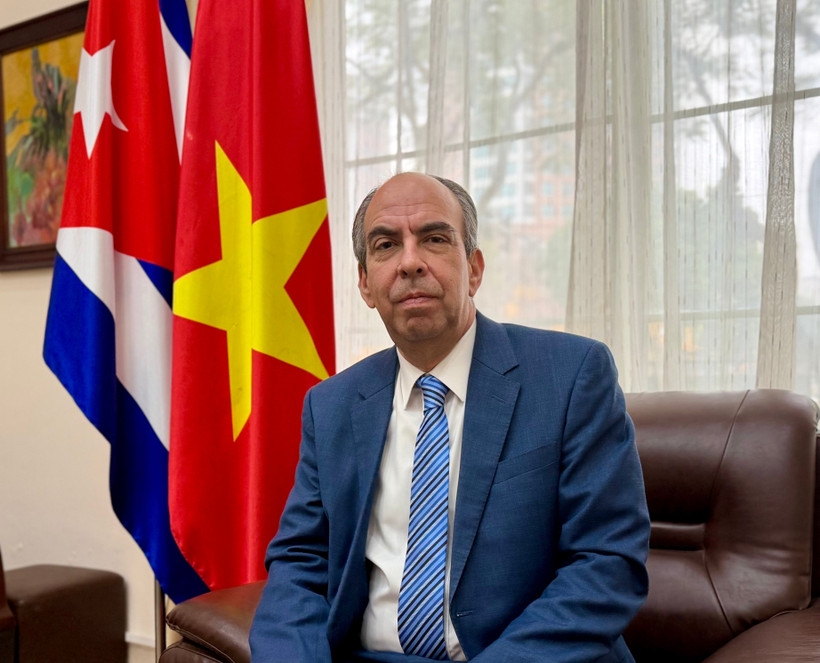
Cuban Ambassador to Vietnam Rogelio Polanco Fuentes made the remarks in an interview with the Vietnam News Agency.
The Cuban diplomat expressed admiration for the meticulous preparations for the election, particularly the extensive public consultations and the careful vetting of candidates. He stressed that the vote, scheduled for March 15, will be decisive in strengthening Vietnam’s democratic political system and enhancing governance capacity in the coming period. According to the ambassador, this election also carries important distinctive features as it takes place following Vietnam’s recent reorganisation and consolidation of provincial- and commune-level administrative units. He commended the efforts of the Vietnamese Party and Government to streamline the political system, reduce bureaucratic layers and improve administrative efficiency.
The creation of what he described as new “economic–political spaces” would not only strengthen regional linkages but also enable local administrations to operate more effectively and remain closer to the aspirations of the people.
Polanco Fuentes expressed confidence that once the new elected bodies are formed, the 16th NA will play a central role in implementing the three strategic breakthroughs identified by the Party’s 14th Congress. Among these, legislative reform and institutional improvement will be paramount in unlocking resources, eliminating regulatory overlaps and facilitating the effective implementation of national policies.
At the same time, he noted that the development of high-quality human resources and the modernisation of strategic infrastructure – from digital infrastructure to transport networks and logistics – would be key priorities in driving Vietnam’s socio-economic development in the years ahead.
Turning to inter-parliamentary relations, the ambassador said cooperation between the Vietnamese NA and Cuba’s National Assembly of People’s Power is currently developing in a highly positive manner. Through the mechanism of the bilateral inter-parliamentary cooperation committee, both sides have been actively monitoring the implementation of high-level economic agreements to ensure that commitments are carried out effectively and practically.
He expressed his belief that Vietnam’s 16th NA will inject fresh momentum into the long-standing special relationship between the two countries, bringing their people closer together through the exchange of law-making and social governance experience.
Looking back on six decades since Commander-in-Chief Fidel Castro famously declared, “For Vietnam, Cuba is willing to shed its own blood,” the diplomat said the moment has come to translate this historic solidarity into concrete material cooperation.
Despite an increasingly uncertain global environment, he noted, the solidarity between Vietnam and Cuba remains an exemplary symbol in international relations. Carrying forward the legacy of previous generations through substantive cooperation across all sectors, he said, represents the most effective way for both nations to advance steadily along the path of building socialism while contributing to peace and development worldwide.
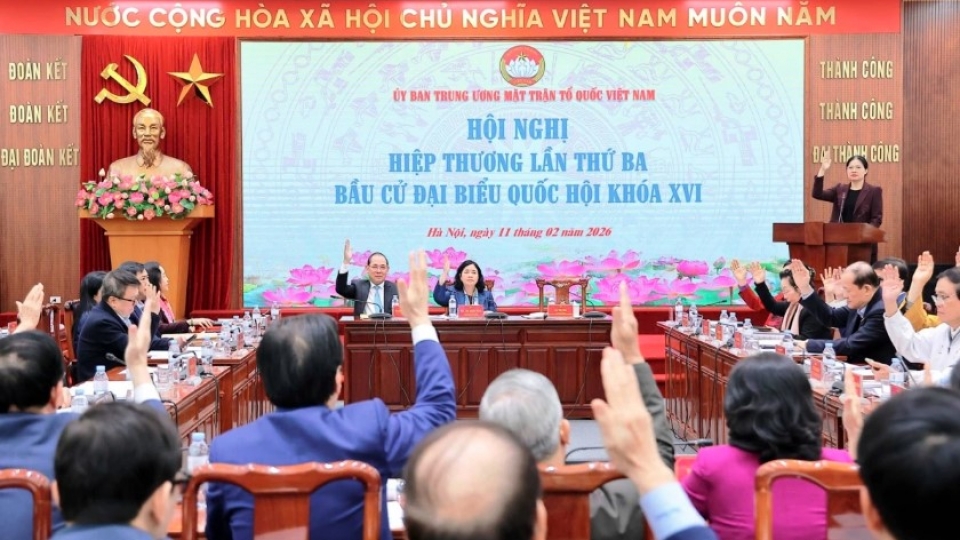
Consultative conference finalises list of 217 nominees for NA election
VOV.VN - All delegates attending the third consultative conference have agreed on a list of 217 nominees from central agencies and organisations who meet the requirements to stand for election to the 16th National Assembly.