


Vietnam, US spare no effort to tap archive records in search for fallen soldiers

VOV.VN - Vietnam and the US are working together to examine millions of pages of wartime documents stored at the US National Archives and Records Administration (NARA) to search for, recover, and identify the remains of fallen Vietnamese soldiers.
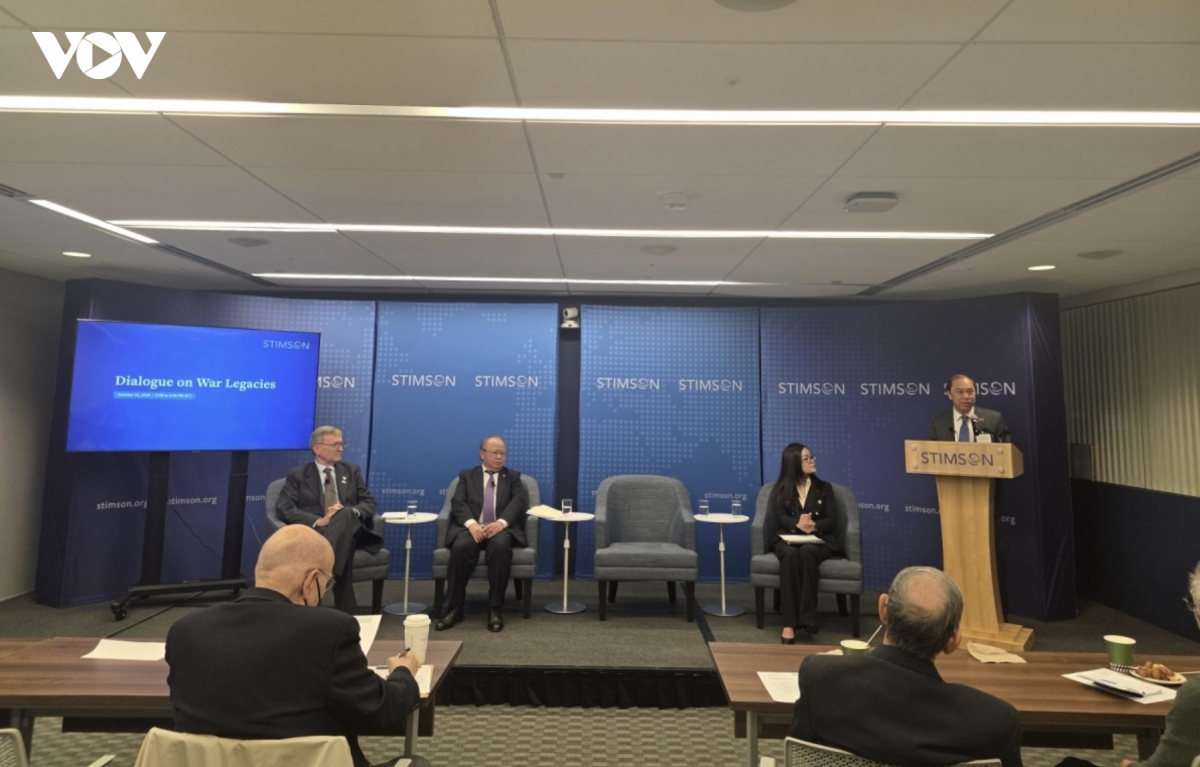
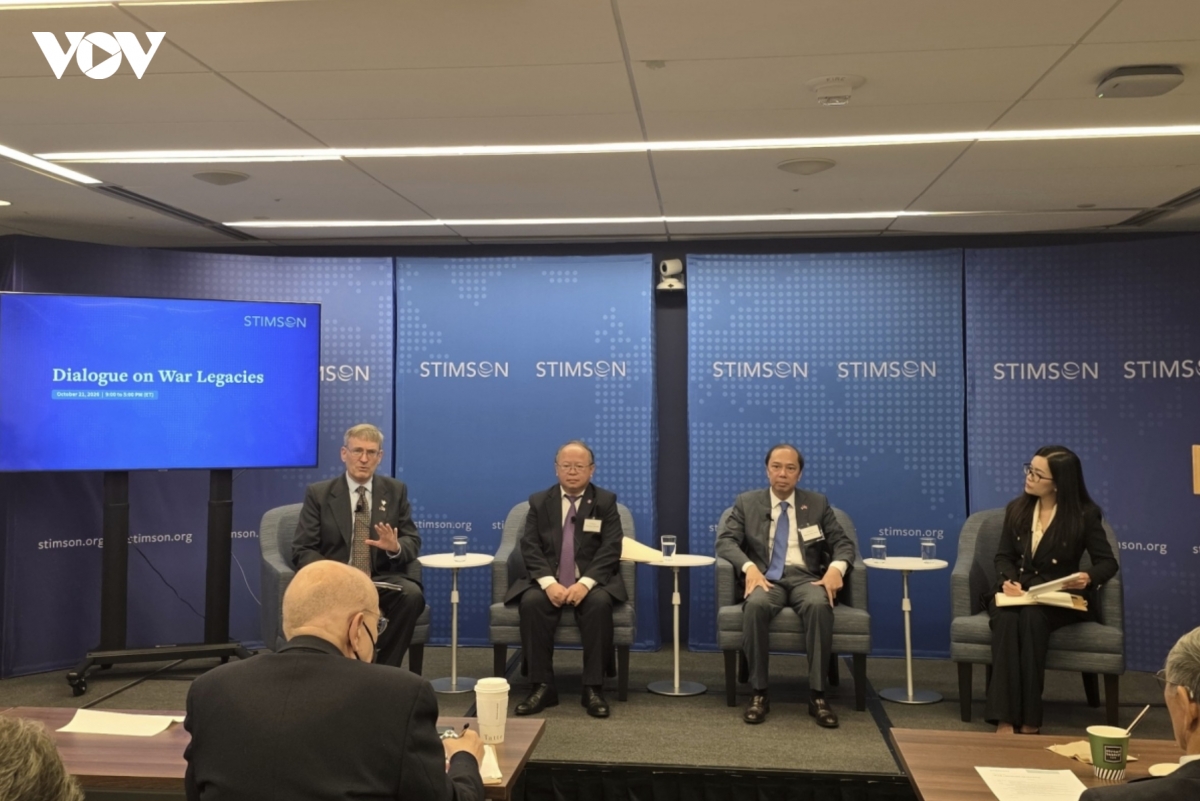
Vietnamese Ambassador to the US Nguyen Quoc Dung shared the information at a dialogue on war legacies in Washington D.C. The event was organized by the Stimson Center and the War Legacy Working Group, bringing together diplomatic representatives, experts, and post-war recovery organizations.
According to Ambassador Nguyen Quoc Dung, Vietnam is mobilizing major resources for its "500 Days and Nights" campaign. The initiative aims to locate and recover around 7,000 sets of martyrs' remains, step up identification through a DNA database of relatives, and clear unexploded ordnance (UXO) across key battlefields.
To date, the campaign has cleared more than 18,000 hectares of UXO-contaminated land, reaching over 81% of its target. Search teams have recovered more than 3,600 sets of remains and collected over 122,000 biological samples for DNA identification.
The ambassador stressed that time is becoming critical in the search for fallen soldiers. After more than half a century, many former battlefields have turned into residential areas, farmland, and industrial parks, with physical traces gradually disappearing while historical witnesses grow older. Combining battlefield records with modern technology and eyewitness accounts from veterans is therefore especially vital.
Notably, the Ambassador said that Vietnamese experts will soon partner with Texas Tech University to return to NARA's facility in Maryland to examine roughly 2-3 million pages of wartime archives that may contain clues to locate missing Vietnamese service members. The research is set to clarify details on 52 collective burial sites, including five identified as having large numbers of fallen soldiers.
He emphasized that the goal is not merely historical research, but finding specific, actionable leads for field search operations. These could be coordinates noted in military logs, temporary burial records, unit movement routes, old maps, or aerial photos showing battlefield terrain in 1968 or 1972. Artificial intelligence could be used to search, classify, and cross-reference millions of records, alongside veteran testimonies and DNA testing to enhance search efficiency and identification accuracy.
The diplomat affirmed that Vietnam continues to proactively allocate its budget and mobilize domestic military and technical capabilities to sustain post-war recovery programs, including dioxin cleanup, UXO clearance, and MIA search operations.
He noted that Vietnam and the US have signed new cooperation agreements, under which Washington will provide an additional US$430 million. Another agreement allocates about US$91 million to support improving quality of life for persons with disabilities in priority provinces, initially in Ca Mau and Quang Ngai.
Highly appreciating contributions from US organizations, universities, and businesses, Ambassador Nguyen Quoc Dung called on the US government, Congress, research institutions, businesses, and veterans to continue sharing information, technology, and resources, working alongside Vietnam in post-war recovery.
He stressed that cooperation in addressing war legacies is a key foundation helping Vietnam and the US build trust, moving from former enemies to a Comprehensive Strategic Partnership. The greatest achievement of this process lies not just in intergovernmental projects or deals, but in public safety, better lives for persons with disabilities, and the happiness of families who can welcome their loved ones home after more than 50 years of waiting.
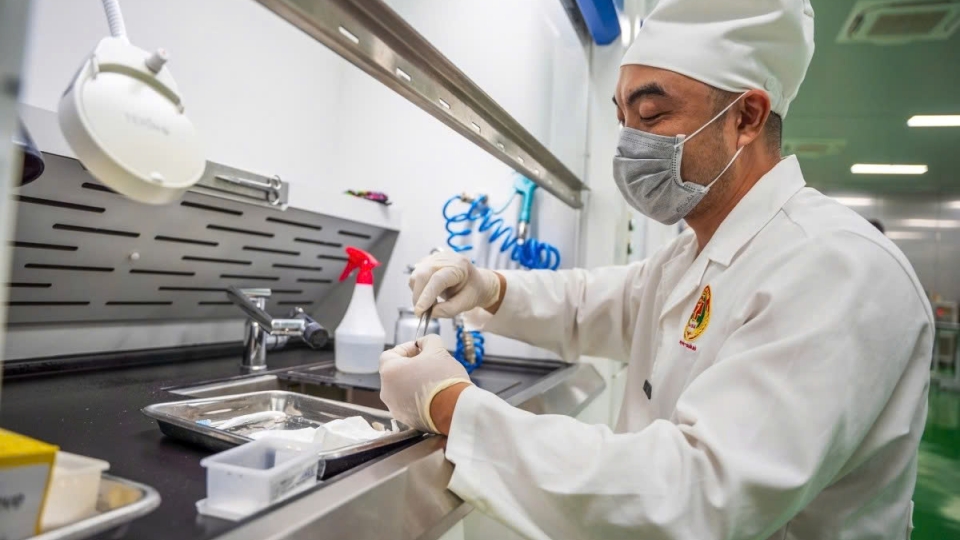
Identifying fallen soldiers - The search for names in fragmented DNA
VOV.VN - Identifying fallen soldiers from remains buried for decades is a major challenge, as degraded DNA complicates forensic analysis and matching, making careful sample handling, new technologies and data integration vital to the 500-day campaign to search for, recover and identify fallen soldiers’ remains.
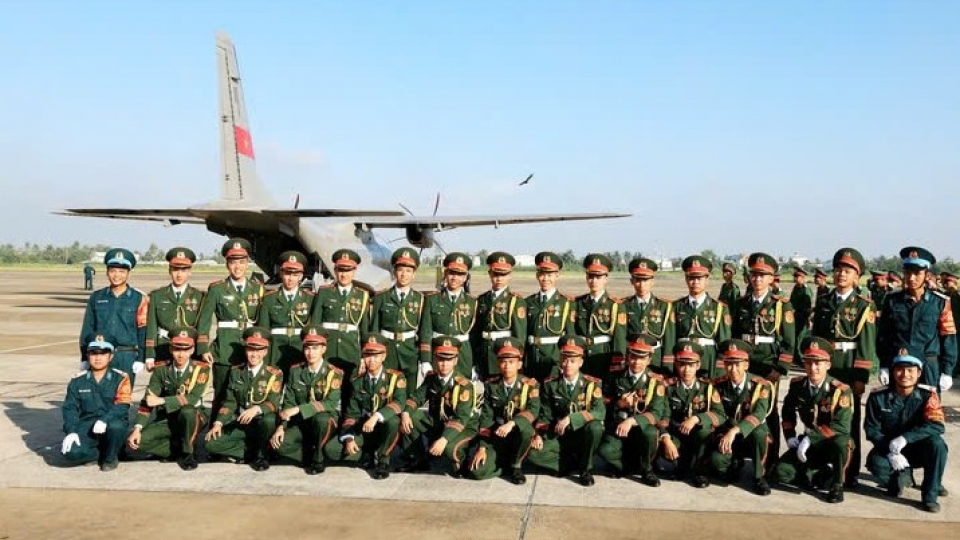
Special flight brings 8,453 fallen soldiers' biological samples to Hanoi for DNA testing
VOV.VN - Military Region 9 has carried an additional 8,453 biological samples of fallen soldiers to Hanoi for DNA identification, following 11 previous handovers comprising 23,557 samples.


