


Vietnam, international community urge end to US embargo against Cuba

VOV.VN - Vietnam and the international community have called for an immediate, total, and unconditional end to the US economic, commercial, and financial embargo against Cuba, emphasizing the necessity of removing Havana from the list of state sponsors of terrorism.
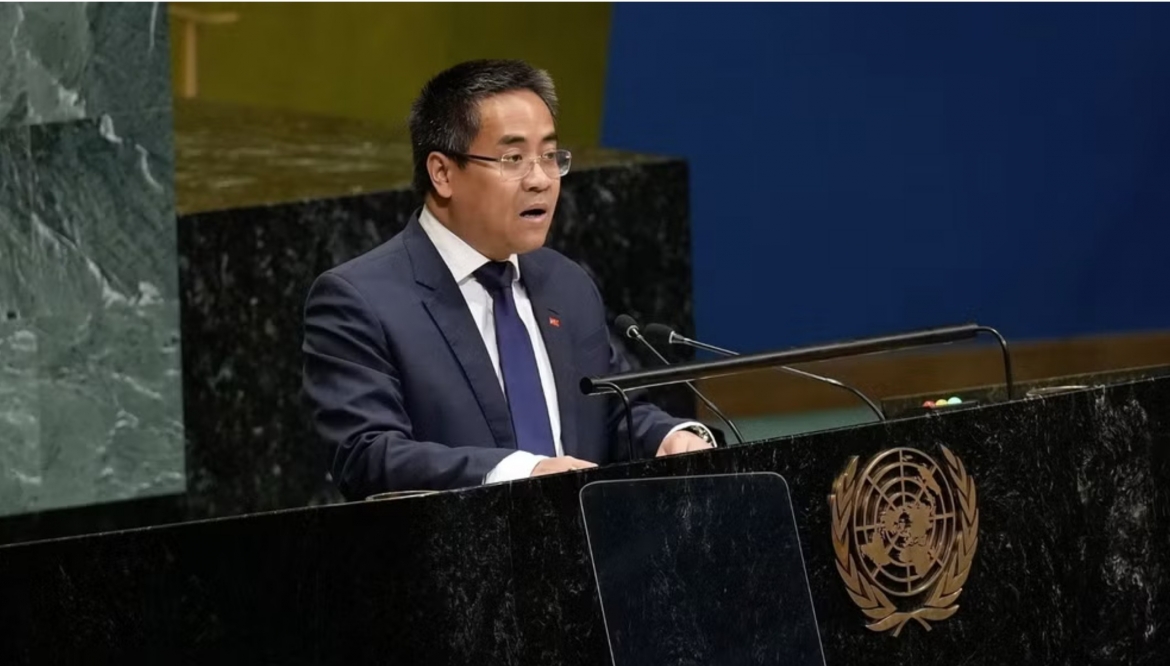
The appeal was reiterated by Minister Counsellor Nguyen Hai Luu, Deputy Permanent Representative of Vietnam to the United Nations (UN), during the annual debate of the 81st session of the UN General Assembly on October 27-28 in New York, which addressed the agenda item "Necessity of ending the economic, commercial and financial embargo imposed by the United States of America against Cuba."
The session took place as Cuba continues to face severe socioeconomic difficulties, particularly shortages of energy, food, and medicine, while US economic, commercial, and financial restrictions continue to tighten.
During the debate, representatives of numerous countries and groups, including the Non-Aligned Movement, the Group of 77 and China, ASEAN, and the African Group, expressed deep concern over the negative impacts of the embargo on Cuba's economy and its people's lives. Many delegates emphasized that restrictions on fuel supply, financial transactions, and international trade are worsening hardships in essential sectors such as healthcare, education, food production, and electricity supply, while hindering Cuba's sustainable development efforts. Many nations urged the US to terminate the embargo, including extraterritorial measures, and remove Cuba from the list of state sponsors of terrorism.
Speaking at the session, Minister Counsellor Nguyen Hai Luu, Deputy Permanent Representative of Vietnam to the UN, reaffirmed Vietnam's consistent stance supporting the immediate, total, and unconditional end to the US economic, commercial, and financial embargo against Cuba, including extraterritorial measures.
The Vietnamese representative expressed concern over the increasingly severe difficulties facing the Cuban people, particularly energy supply restrictions that disrupt the operations of hospitals, schools, water supply systems, food production, and transportation, as well as impede humanitarian assistance.
Vietnam stressed the requirement to respect Cuba's independence, sovereignty, territorial integrity, political independence, self-determination, and the right to choose its own development path without external interference or coercion. All differences must be resolved through dialogue and peaceful diplomatic means based on mutual respect, in accordance with the UN Charter and international law.
Reiterating the stance affirmed by General Secretary of the Communist Party of Vietnam Central Committee and President To Lam at the General Debate of the 81st UN General Assembly in September 2026, Vietnam called for an end to the embargo, sanctions, and energy supply restrictions against Cuba, and demanded its removal from the list of state sponsors of terrorism.
Affirming the traditional friendship and unwavering solidarity between Vietnam and Cuba, Minister Counsellor Nguyen Hai Luu emphasized that Vietnam always treasures the invaluable support Cuba provided during difficult periods of history.
The country continues to stand side by side with Cuba, boosting practical cooperation, particularly in ensuring food security through rice, maize, and aquaculture production assistance, helping Cuba overcome challenges and stabilize living conditions. Vietnam also called on UN member states, the UN system, and international partners to continue supporting the Caribbean nation in overcoming current challenges and achieving its sustainable development goals.
At the end of the session, the UN General Assembly voted to adopt the annual resolution demanding an end to the embargo against Cuba. First considered by the General Assembly in 1992, the resolution affirms the principles of sovereign equality, non-intervention in internal affairs, and freedom of international trade and navigation, while calling on states not to enact or apply embargo measures inconsistent with the UN Charter and international law.
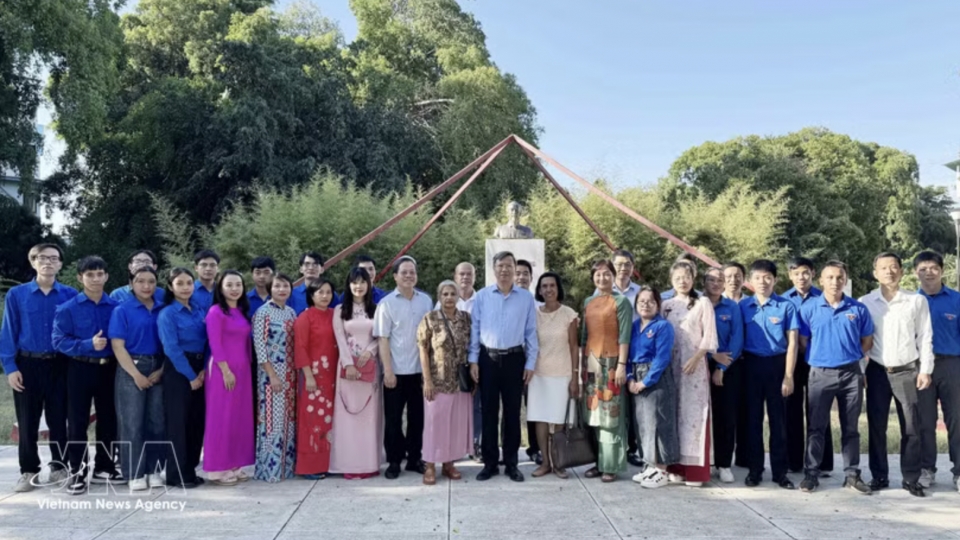
Vietnam, Cuba reaffirm enduring friendship, solidarity
Vietnam and Cuba have reaffirmed their special friendship, solidarity, mutual trust and sincere support at a ceremony marking the 81st anniversary of Vietnam’s August Revolution and National Day in Havana on August 31.
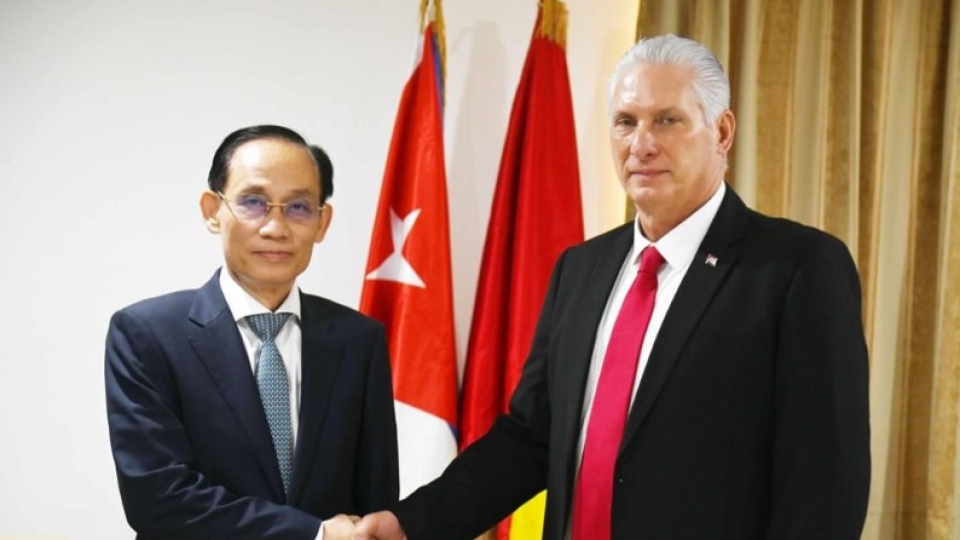
Cuba, Vietnam enhance comprehensive cooperation in new development phase
VOV.VN - Politburo member and Minister of Foreign Affairs Le Hoai Trung visited Cuba from June 20 to 22 as special envoy of Party General Secretary and President To Lam to inform the Communist Party of Cuba of the results of the 14th National Congress of the Communist Party of Vietnam and discuss cooperation between the two Parties and countries.
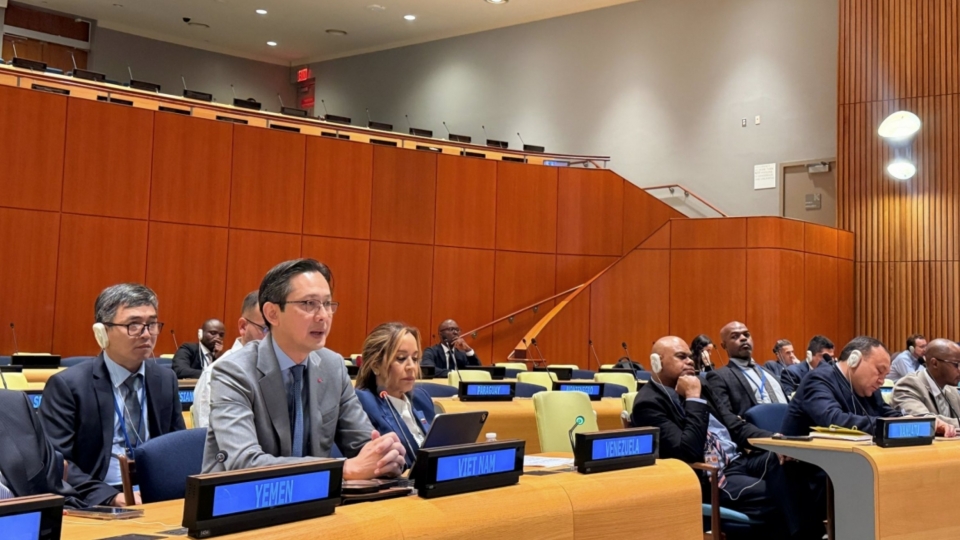
Vietnam calls for solidarity in support of Cuba at Non-Aligned Movement meeting
VOV.VN - Vietnam has called on members of the Non-Aligned Movement (NAM) to strengthen solidarity and speak out against the blockade and embargo imposed on Cuba during a meeting held at the United Nations headquarters in New York on May 27.


