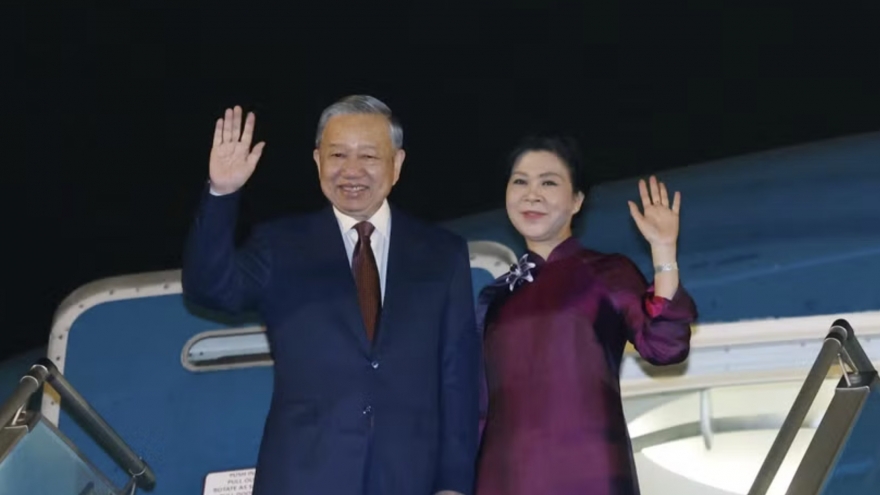
Top leader’s visit underscores stature of Vietnam-China ties

VOV.VN - The visit to China by Party General Secretary and President To Lam, made shortly after taking office, carries important strategic significance, further affirming Vietnam’s regard for its friendly neighbourly relations and comprehensive cooperation with China.
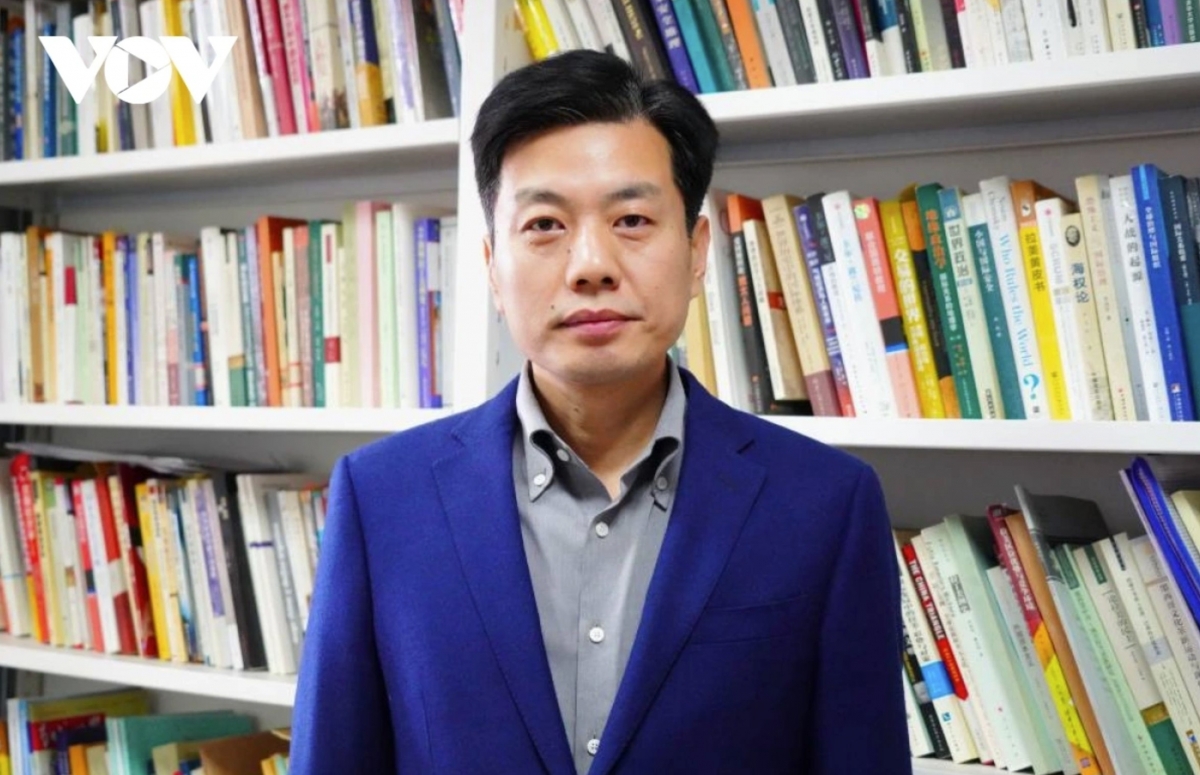
Assessing the significance of the visit, Professor Cui Shoujun of Renmin University of China said high-level diplomacy always plays a particularly important role in bilateral relations. He stressed: “Vietnam is a good friend, good comrade and good brother of China. Therefore, the choice of China as the first destination by General Secretary and President To Lam after taking office shows that bilateral relations are placed in a position of high strategic importance.”
He noted that the visit takes place as the international and regional situation continues to see complex and unpredictable developments, especially instability in the Middle East. In that context, meetings and exchanges between the two countries’ top leaders on major regional and international issues are significant not only for bilateral ties but also contribute to greater stability in the region and the world. He said such exchanges “are conducive to enhancing stability in global security governance.”
Highlighting key aspects of the visit, he pointed to two notable features: its substantive nature and the upgrading of cooperation quality. Vietnam and China are geographically close, while China is advancing the Belt and Road Initiative and Vietnam has its “Two Corridors, One Belt” framework. Strengthening links between these two initiatives “will play a very important role in promoting” bilateral cooperation in the coming period.
In addition, there remains ample room for cooperation between the two countries, particularly in economic, technological and infrastructure fields. China has strengths in emerging strategic sectors such as new energy, photovoltaics, energy storage and power generation, while Vietnam is in a phase of accelerating industrialisation. Therefore, cooperation in energy will be a very important component of China-Vietnam cooperation, Professor Cui said.
In addition to energy, artificial intelligence is also seen as a field with strong potential for cooperation. In recent years, China’s AI technologies have developed rapidly, opening up further opportunities for the two countries to identify common ground and expand cooperation.
In infrastructure connectivity, the expert said upgrading and maintaining railway lines linking the two countries, along with improving the efficiency of border gates, would help promote people-to-people exchanges and bilateral trade. This will serve as an important factor in providing an additional boost to economic and trade cooperation between Vietnam and China in the period ahead.
Overall, the visit to China by General Secretary and President To Lam carries not only important political and diplomatic significance but also raises expectations for new progress in substantive cooperation between the two countries, particularly in economic, technological, energy and infrastructure connectivity fields.
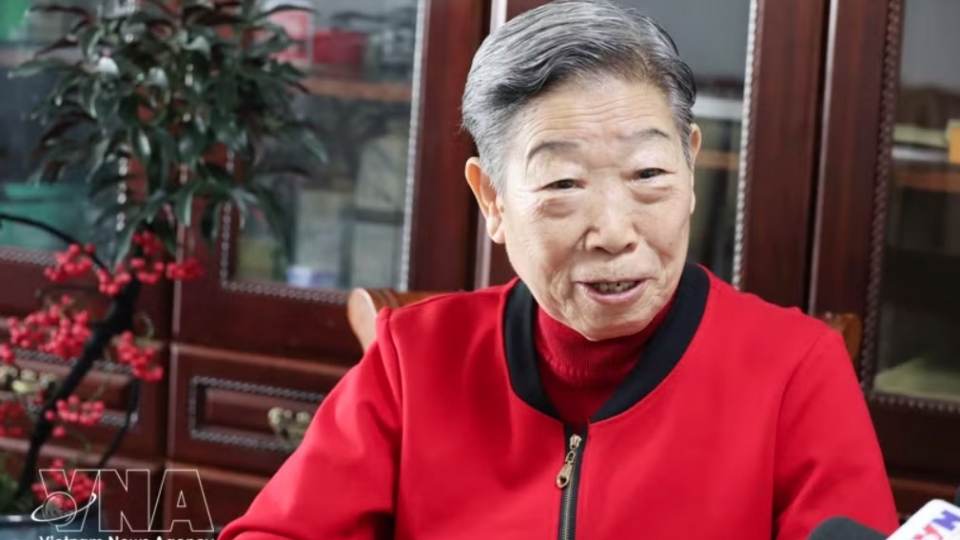
Top Vietnamese leader’s China visit to boost political trust, strategic ties
The upcoming state visit to China by General Secretary of the Communist Party of Vietnam (CPV) Central Committee and State President To Lam, his first overseas trip since assuming the presidency, underscores the leader's commitment to advancing a historic mission and deepening political trust between the two countries.
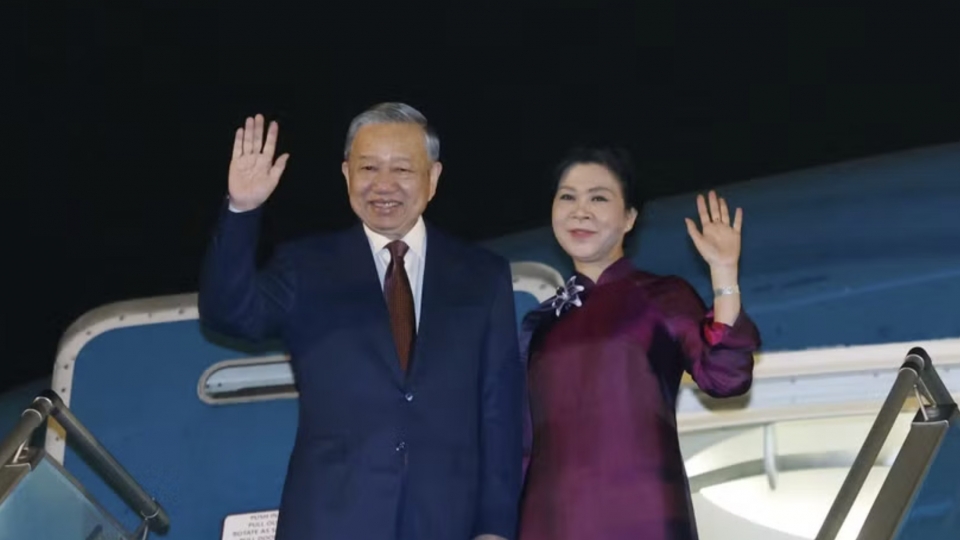
General Secretary and President To Lam departs for State visit to China
VOV.VN - General Secretary of the Communist Party of Vietnam (CPV) Central Committee and State President To Lam, his spouse Ngo Phuong Ly and a high-ranking Vietnamese delegation, left Hanoi on the morning of April 14 for a four-day state visit to China.