Top leader’s India visit carries historic significance for Vietnam-India ties

VOV.VN - As Vietnam and India mark 10 years of the Comprehensive Strategic Partnership, the State visit to India from May 5 to 7, 2026 by Party General Secretary and State President To Lam is expected to strengthen deep political trust, help shape a strategic vision, and support the two countries in advancing together in a new era of development.
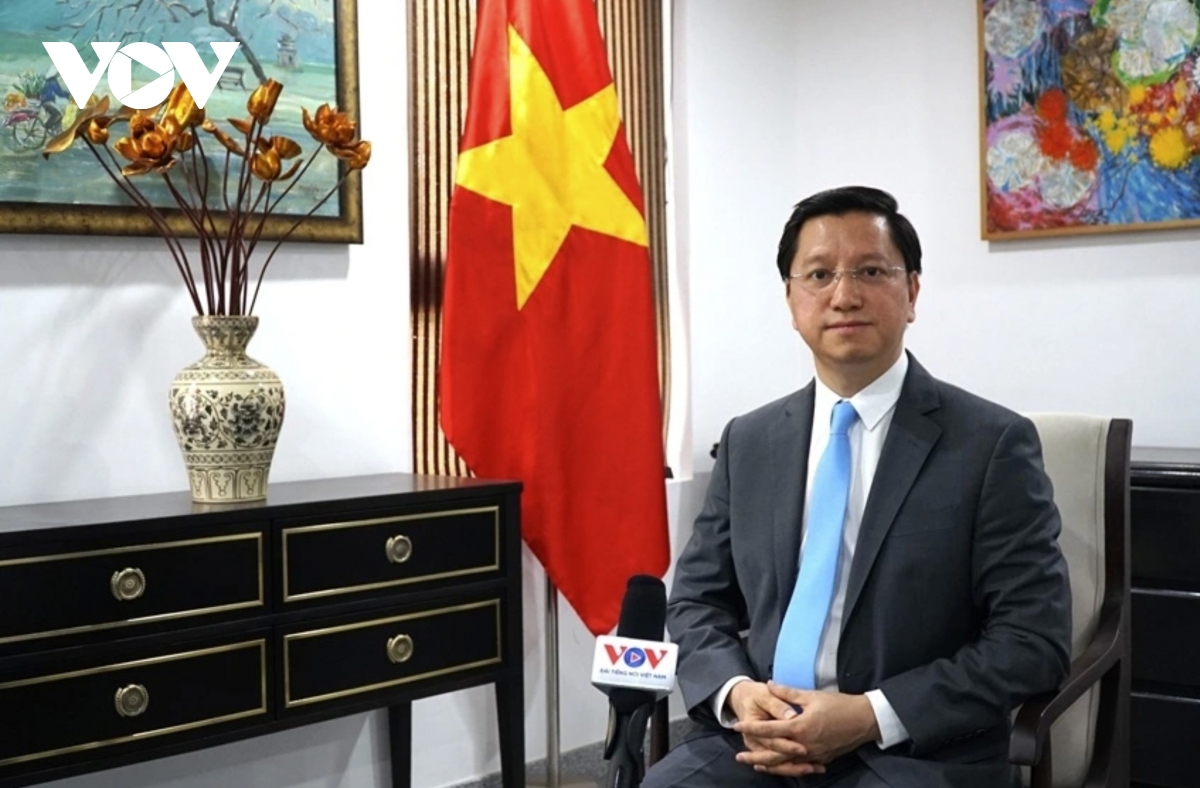
The State visit to India by the top Vietnamese leader is a historic milestone that opens a new phase in the Vietnam-India Comprehensive Strategic Partnership, Vietnamese Ambassador to India Nguyen Thanh Hai has said when speaking to the press about the visit recently.
This is the first time a Party General Secretary and State President of Vietnam has paid a State visit to India. The trip comes shortly after the successful 14th National Party Congress and the National Assembly’s completion of appointments to key leadership positions, showing Vietnam’s high regard for India as a close friend and a Comprehensive Strategic Partner. The visit also reflects the foreign policy line set out at the 14th Party Congress, based on independence, self-reliance, self-strengthening, peace, friendship, cooperation and development, as well as diversification and multilateralisation of external relations.
According to the ambassador, the visit takes place as both nations mark the 10th anniversary of the establishment of the Comprehensive Strategic Partnership (2016-2026). Over the past decade, bilateral ties have expanded and deepened, though huge potential remains.
As both countries continue to rise and amid changes in the regional and global landscape, the visit offers an opportunity for leaders of the two countries to review cooperation over the past 10 years and jointly shape cooperation in the next phase.
The ambassador said the visit also offers a chance to further strengthen ties between the two countries’ leaders and between the two ruling parties, while enhancing connections among ministries, sectors, localities and business communities, including technology companies, startups and innovation centres.
He said the visit is expected to create fresh impetus, open up broader areas of cooperation and elevate the Vietnam-India Comprehensive Strategic Partnership in a new era, in line with the two countries’ potential and standing, while bringing practical benefits to people, localities and businesses, thereby contributing to development goals and to peace, stability, cooperation and development in the region and the world.
On bilateral cooperation, Ambassador Nguyen Thanh Hai said that after 10 years, ties have developed comprehensively and substantively, becoming one of the dynamic cooperation frameworks in the region.
Political cooperation has continued to be strengthened, with trust enhanced. Both nations’ leaders frequently exchange visits and meet on the sidelines of international conferences, while exchanges among ministries and localities have also increased. More than 20 cooperation mechanisms are in place, contributing to the effective implementation of bilateral cooperation, alongside a number of important agreements, including the Joint Vision Statement on Peace, Prosperity and People (December 2020).
The two sides also share many similar views on regional and international issues and coordinate closely at multilateral forums such as the United Nations, ASEAN and other regional mechanisms.
Defence and security cooperation has continued to expand in various forms, including training, capacity building, service-to-service cooperation, joint exercises and participation in United Nations peacekeeping operations, alongside the implementation of the Joint Vision Statement on Vietnam-India defence partnership to 2030.
In economic, trade and investment cooperation, the ambassador said ties between the two countries have become more active. Bilateral trade reached US$16.46 billion in 2025, up 10.5% from 2024 and about 2.5 times higher than in 2016. India is now among Vietnam’s eight largest trading partners. As of the end of 2025, India had 473 valid projects in Vietnam with total registered capital of around US$1.1 billion.
Vietnamese businesses have also begun expanding their presence in India, including a large-scale electric vehicle manufacturing project in Tamil Nadu.
The ambassador said cooperation in science and technology, innovation, digital transformation, energy, and education and training has continued to be promoted. A number of Vietnamese technology firms and startups have come to India to explore cooperation opportunities, while student exchanges have increased, particularly in medical training.
People-to-people exchanges, culture and tourism have been a bright spot in bilateral ties, he said. In 2025, Vietnam welcomed about 746,000 Indian visitors, up around 50% from 2024 and nearly four times the 2019 figure. Direct air connectivity has also increased sharply, from only a few flights per week after the COVID-19 pandemic to nearly 90 flights per week, contributing to tourism and exchanges.
Looking ahead, Ambassador Nguyen Thanh Hai said the two countries have favourable conditions to further forge ties. In addition to consolidating existing areas of cooperation, both sides need to promote new areas that meet development needs.
Innovation is a priority area, aimed at making use of opportunities from technological advances and digital transformation to create strong drivers for development, contributing to Vietnam’s goal of becoming a developed country by 2045 and India by 2047. Potential areas include high technology, digital transformation, the digital economy, the green economy, renewable energy, semiconductors and artificial intelligence.
Economic, trade and investment cooperation continues to be a key pillar, he said, with a need for measures to expand market access and boost bilateral trade in line with the scale of each economy, while capitalizing on investment opportunities as businesses from both countries expand their operations.
He also laid stress on the need to prioritise people-to-people exchanges, culture, education and tourism to strengthen the social foundation and build long-term ties. The two countries share many cultural and historical connections, particularly through Buddhism and heritage, thus creating favourable conditions for cooperation in academic, artistic and conservation fields. Activities such as cultural festivals, film weeks, artistic exchanges and education cooperation should be enhanced, along with an increase in direct flights.
Within the framework of the visit, the ambassador said leaders of the two countries will have opportunities to discuss measures to advance these priorities, with a view to bringing practical benefits to people, localities and businesses, while serving each country’s development goals.
Top leader To Lam’s India visit expected to boost bilateral ties
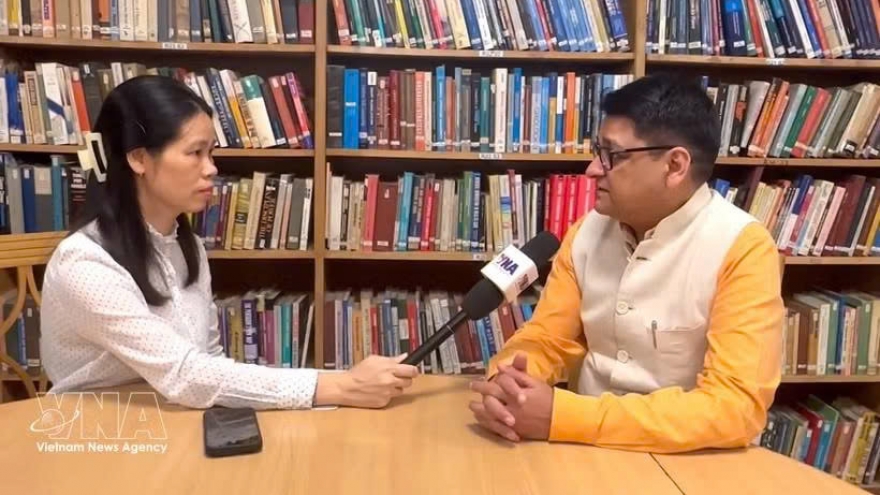
VOV.VN - The coming state visit to India by Party General Secretary and State President To Lam comes at a significant moment as the two countries prepare to mark 10 years of their Comprehensive Strategic Partnership in 2026 and is expected to inject fresh momentum into Vietnam–India relations, says an Indian scholar.
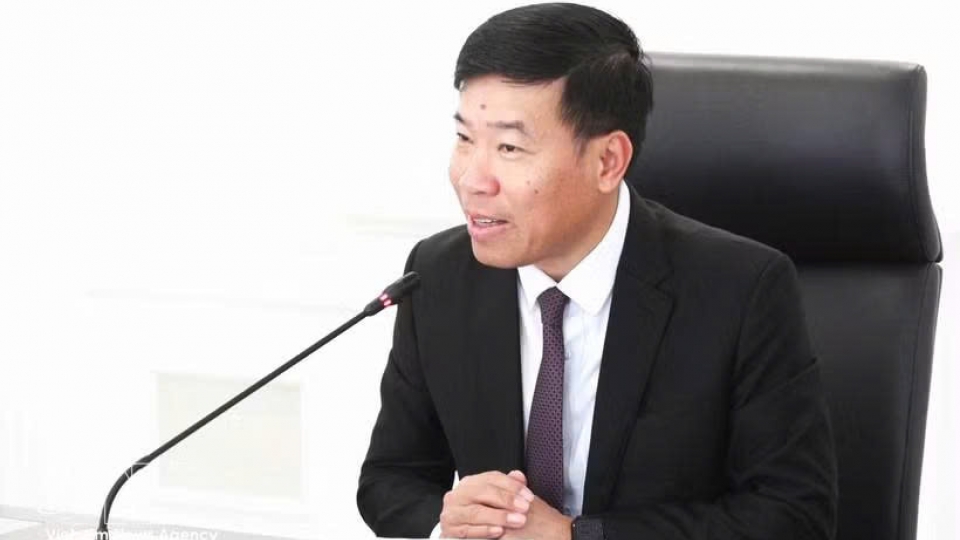
Top leader’s upcoming visit to India to shape new cooperation framework: Deputy FM
General Secretary of the Communist Party of Vietnam (CPV) Central Committee and State President To Lam’s state visit to India from May 5-7 will create new momentum and shape a framework to elevate Vietnam–India ties to a new level in the next phase, said Deputy Minister of Foreign Affairs Nguyen Manh Cuong.