Top leader To Lam’s India visit expected to boost bilateral ties

VOV.VN - The coming state visit to India by Party General Secretary and State President To Lam comes at a significant moment as the two countries prepare to mark 10 years of their Comprehensive Strategic Partnership in 2026 and is expected to inject fresh momentum into Vietnam–India relations, says an Indian scholar.
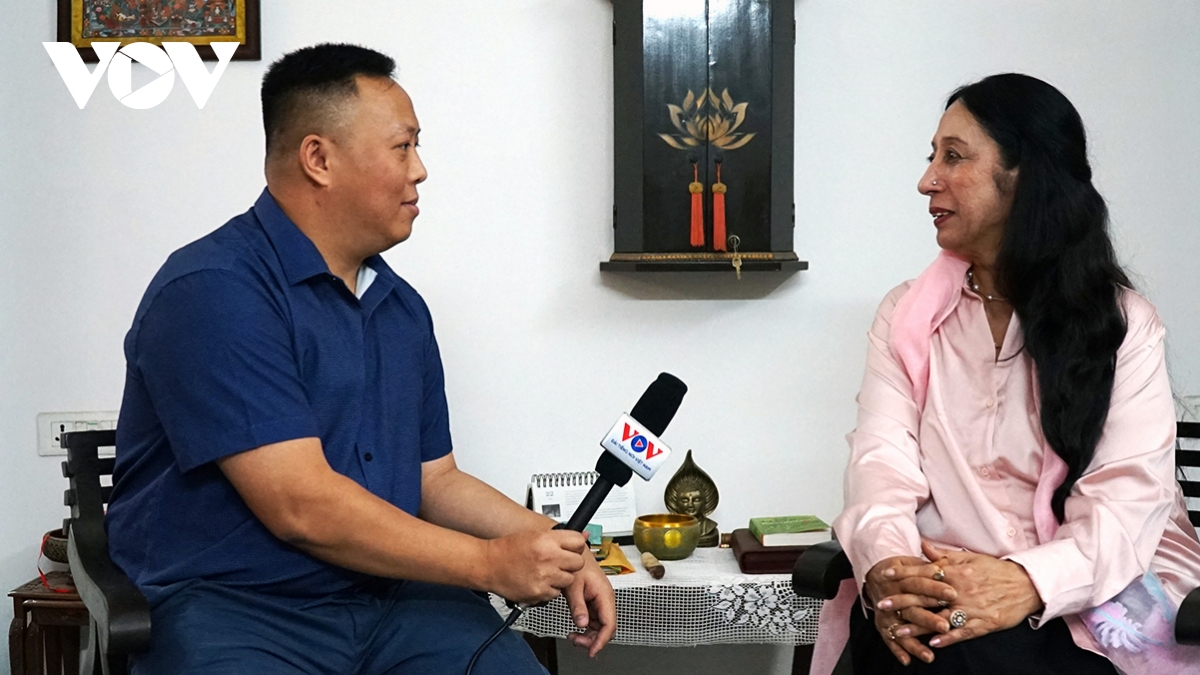
Professor Reena Marwah from the University of Delhi, and Secretary-General of the Association of Asia Scholars (AAS), told VOV in a recent interview that the timing of the May 5-7 visit at the invitation of Prime Minister Narendra Modi, shortly after Vietnam consolidated its senior leadership, underscores the importance Hanoi attaches to its relationship with New Delhi. As one of the first overseas trips by Vietnam’s top leader in the new phase, the visit sends a clear signal about the country’s strategic foreign policy priorities and is seen as a key milestone in advancing bilateral ties.
According to the scholar, Vietnam–India relations have over the past decade developed steadily on a foundation of deep political trust, built over generations of leadership and reinforced through regular cooperation mechanisms and dialogue. This foundation, she said, has enabled the two countries to expand cooperation across a wide range of areas, including digital transformation, green transition, human resource development, logistics, port infrastructure and energy.
India also regards Vietnam as one of its most important partners within ASEAN and among its most reliable relationships in the region, she stated.
Beyond expanding in scope, the partnership also reflects a convergence in long term development visions. Vietnam aims to become a developed, high income country by 2045, while India is targeting developed nation status by 2047, marking the centenary of its independence. This alignment, Marwah noted, provides a strong basis for long term cooperation and enhances the role of both countries on the global stage, particularly as dynamic representatives of the Global South.
In a rapidly changing international environment, both Vietnam and India pursue strategic autonomy while supporting a rules-based international order. This shared approach has helped sustain the steady growth of bilateral relations and provides room for more flexible and effective cooperation. She suggested that the next phase should focus on translating strategic orientations into concrete projects and tangible outcomes.
Looking ahead, there remains substantial potential for cooperation in emerging sectors such as digital technology, artificial intelligence, renewable energy and supply chains. Bilateral trade and investment are expected to continue expanding, especially given India’s large and growing consumer market with more than 600 million middle class consumers whose demand is becoming increasingly diverse.
In the industrial sector, the presence of VinFast (Vietnam’s leading electric car manufacturer) in the Indian market is seen as a positive signal of more substantive cooperation. Developing vehicle models tailored to Indian consumer preferences, particularly in electric and energy efficient segments, could offer significant competitive advantages.
Cooperation in defence, maritime economy and water resource management, including the sharing of experience between major river systems such as the Mekong and the Ganges, also presents promising opportunities. Additional areas include shipbuilding, maintenance services, information technology and India’s growing digital services exports. Tourism and people to people exchanges are emerging as bright spots, with increasing numbers of Indian visitors to Vietnam driving demand for expanded air connectivity and deeper cultural engagement.
Overall, the Vietnamese leader’s visit is not only a high level diplomatic engagement with symbolic significance but also a step toward shaping the next phase of Vietnam–India relations. As Marwah noted, the coming decade will be crucial for further consolidating political trust while enhancing the role of both countries as dynamic partners contributing to regional and global cooperation.
Building on this foundation, Vietnam–India ties are expected not only to remain stable but also to achieve stronger breakthroughs, becoming an important pillar in regional cooperation and contributing to peace, stability and development in Asia and beyond.
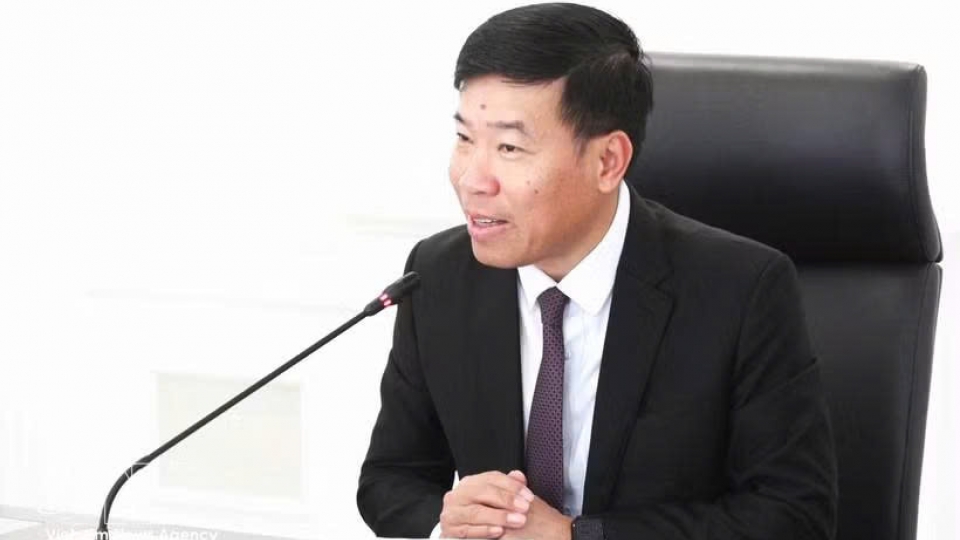
Top leader’s upcoming visit to India to shape new cooperation framework: Deputy FM
General Secretary of the Communist Party of Vietnam (CPV) Central Committee and State President To Lam’s state visit to India from May 5-7 will create new momentum and shape a framework to elevate Vietnam–India ties to a new level in the next phase, said Deputy Minister of Foreign Affairs Nguyen Manh Cuong.