


Top leader To Lam stresses logistics as new growth driver

VOV.VN - General Secretary of the Communist Party of Vietnam Central Committee and President To Lam has requested the development of national logistics into a key driver for economic growth, productivity, and reduced costs during a working session with the Government Party Committee and relevant agencies in Hanoi on November 2.
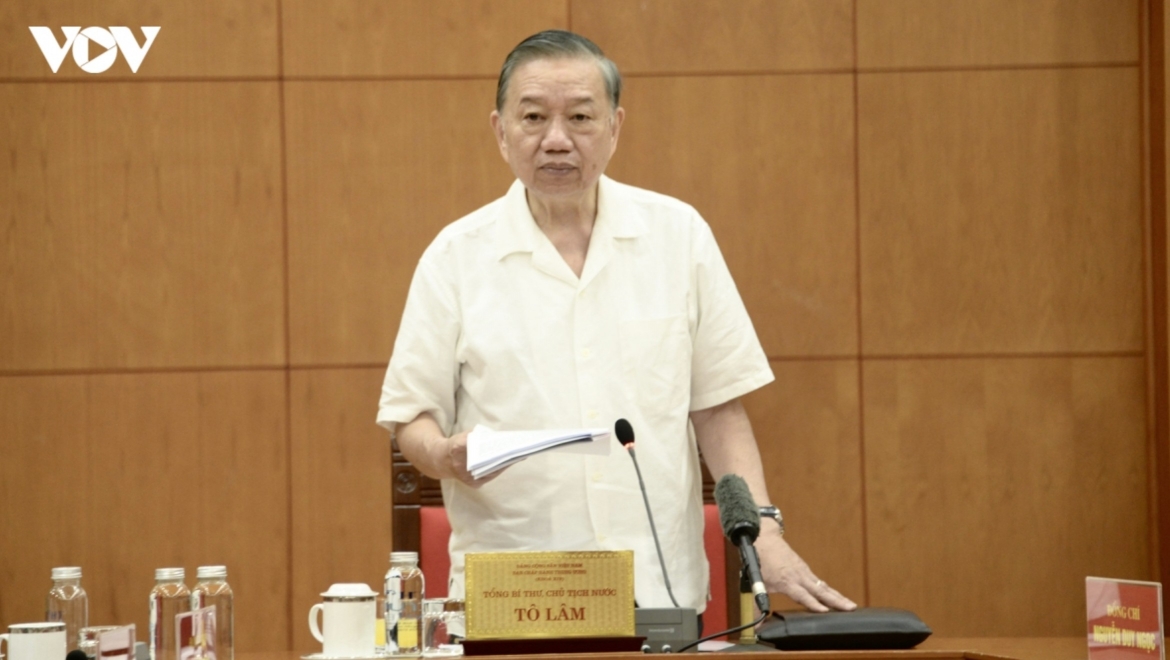
In his speech at the session on national logistics development and infrastructure, the top leader emphasized that shifting the mindset from viewing logistics as a trade sector to building comprehensive national logistics capacity is the most fundamental change required.
Logistics sits at the intersection of transport, trade, industry, agriculture, customs, port operations, and digital data, he noted, emphasizing that logistics development is directly linked to national competitiveness, economic resilience, and security. To achieve double-digit growth targets, logistics must create new growth momentum and expand development space under unified governance and direction at the Government level.
To Lam proposed high resolve and ambition to position Vietnam as a regional and global logistics and distribution hub. He demanded the establishment of a unified, modern national logistics network that integrates ports, airports, railways, highways, industrial zones, and production regions while avoiding fragmented, administrative-bound investments. Planning must outpace development to form new economic corridors, driven by science, technology, digital transformation, and green growth.
Regarding enterprise development, the leader urged the creation of strong domestic logistics corporations capable of managing high-value links in international supply chains. He laid stress on the need to encourage large-scale Vietnamese firms, build domestic ecosystems, link with manufacturing and export sectors, and selectively attract leading global logistics giants to invest in operation and distribution centers in Vietnam.
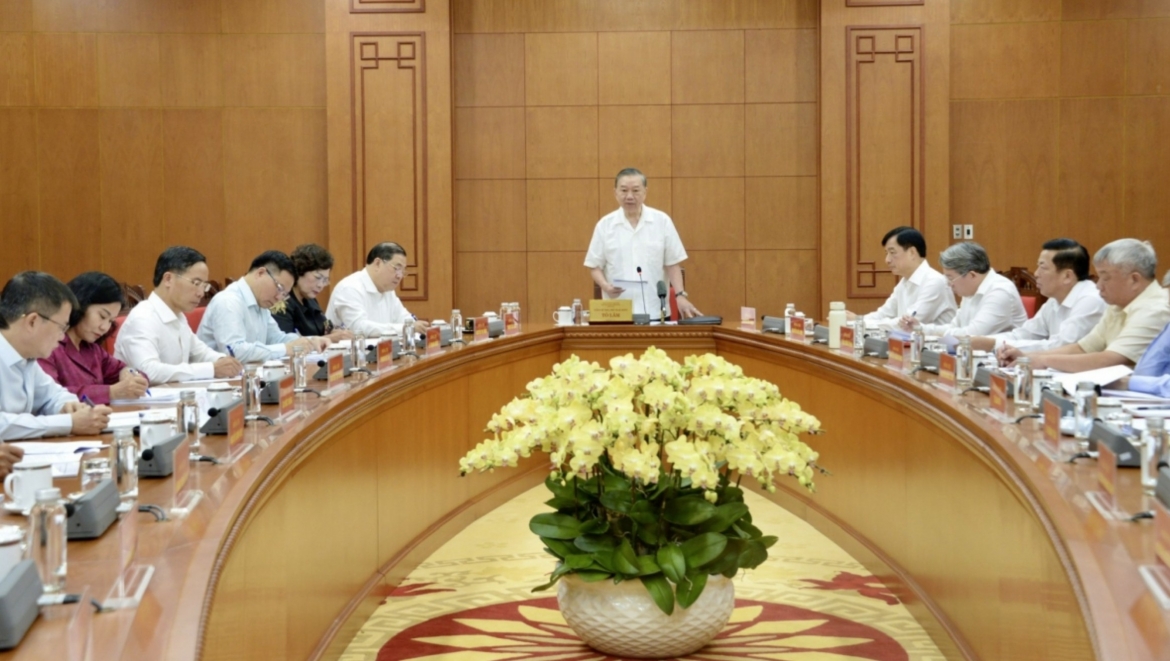
To accomplish these tasks, To Lam instructed ministries and sectors to complete institutional frameworks, improve national coordination, prioritize infrastructure connectivity along economic corridors, and support domestic service providers in accessing capital, technology, and global networks. Special attention must be paid to agricultural logistics, cold chains, e-commerce, and specialized cargo handling, alongside promoting shared logistics data and green practices.
Concluding the session, the Party General Secretary and President assigned the Ministry of Industry and Trade to lead a comprehensive review and formulate an updated national logistics strategy in line with the new development era. He directed the Government Party Committee to establish a national logistics coordination mechanism led directly by a Government leader, with a mandate to eliminate cross-sector bottlenecks immediately in 2027.
He also asked for the urgent implementation of a national logistics performance index system with standardized metrics to measure logistics costs, transit times, connectivity efficiency, and enterprise capacity, binding outcomes directly to the responsibilities of agencies, localities, and their heads.
The top leader urged ministries, sectors, and localities to synchronously implement tasks, clearly defining lead agencies, timelines, and responsibilities. Priorities include immediately removing bottlenecks in infrastructure connectivity, specialized inspections, logistics center planning, and data sharing. According to the Party General Secretary and President, the goal is to gradually bring logistics costs closer to regional and global averages, enhance service quality, increase domestic value-added, and enhance Vietnam's role in the regional logistics network.
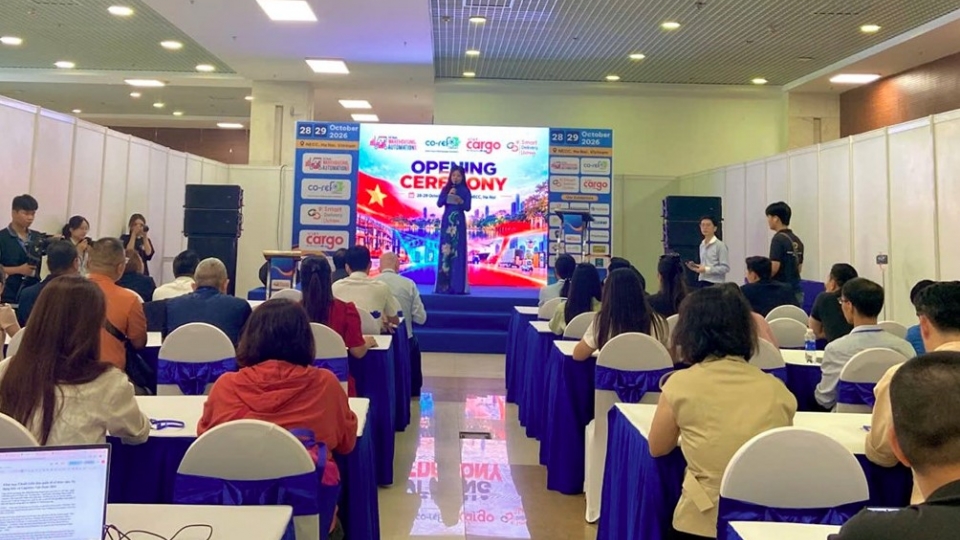
Hanoi exhibitions highlight emerging technologies in logistics, supply chains
An international exhibition series covering warehousing, automation, cold chain, smart delivery and logistics opened in Hanoi on October 28, bringing businesses together to explore technologies and strengthen cooperation across the logistics and supply chain sectors.
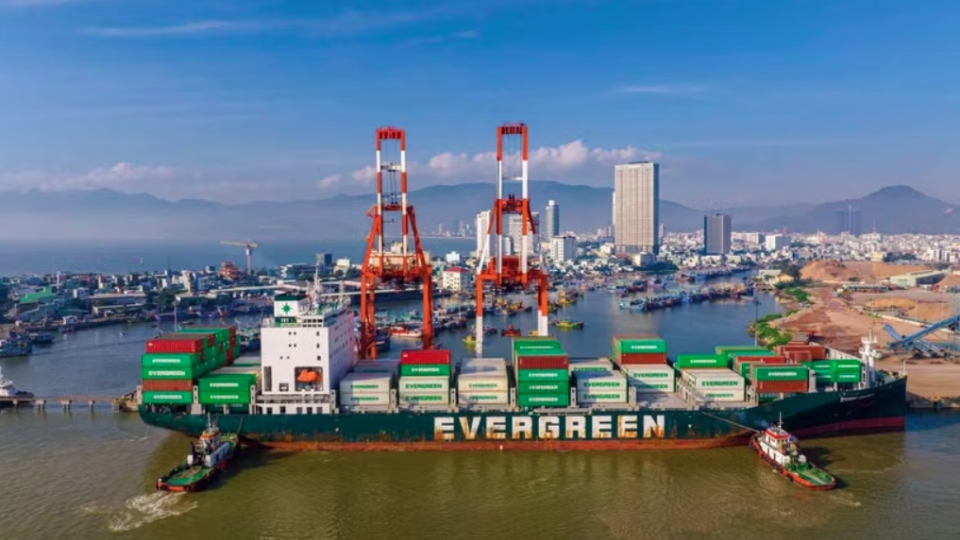
Measures sought to remove bottlenecks to reduce logistics costs
Amid the restructuring of global trade, shifting supply chains and intensifying competition, logistics has become a decisive factor in national economic competitiveness rather than merely a support service for production and business.


