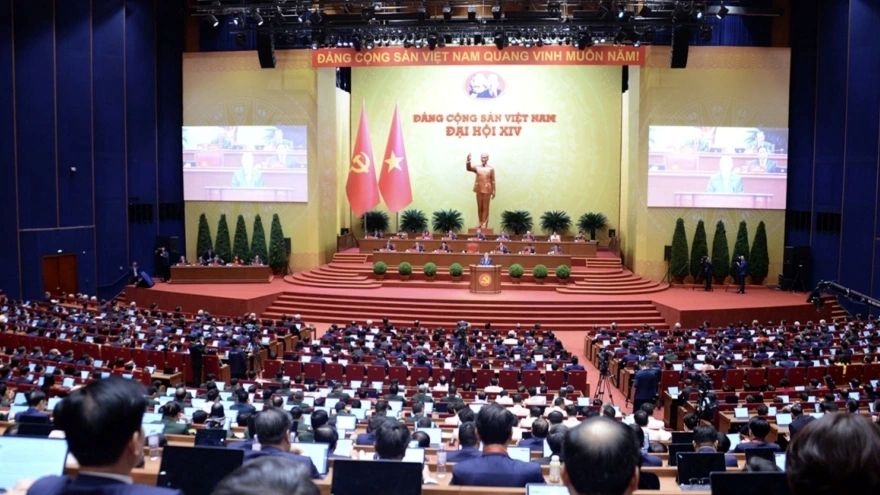
Strategic priorities for national infrastructure under 14th National Party Congress

VOV.VN - Identifying infrastructure development, particularly multimodal transport, as one of the strategic breakthroughs, the Resolution of the 14th National Party Congress sets out to build a solid foundation for rapid and sustainable socio-economic growth, strengthen national competitiveness and improve people’s quality of life.
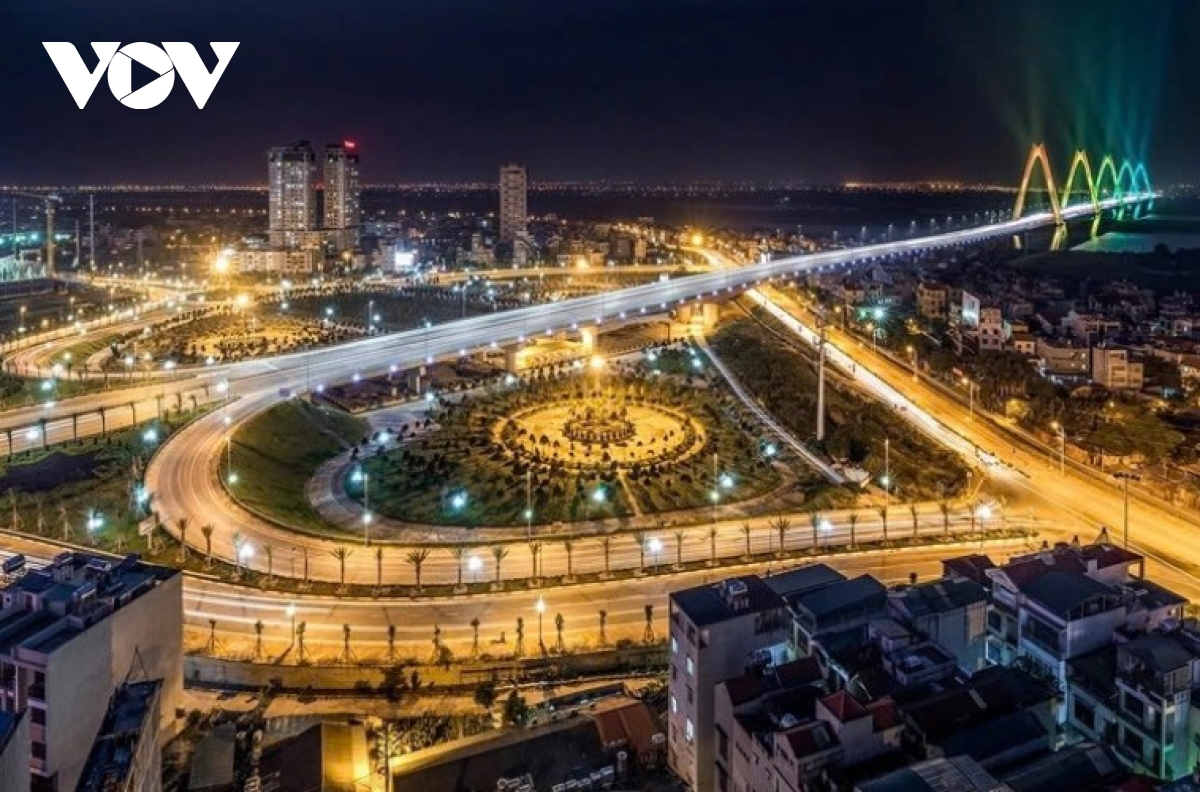
Transport infrastructure-the economy’s backbone
The Resolution sets the goal of maintaining a peaceful and stable environment, achieving rapid and sustainable development, and steadily improving people’s material and spiritual life. Vietnam aims to become a developing country with modern industry and upper middle income by 2030, and a developed, high-income country by 2045.
Among 12 development orientations for 2026-2030, the Resolution places strong emphasis on renewing development thinking, advancing strategic breakthroughs and completing institutions in a coordinated manner to sustain rapid and stable growth. In this framework, socio-economic infrastructure development, especially a modern and integrated transport system, is defined as a central and foundational task.
The Resolution directs priority investment in road, railway, inland waterway, maritime and aviation systems; stronger regional, inter-regional and international connectivity; and new momentum for growth and competitiveness. It also calls for building technological infrastructure, digital transformation infrastructure and green infrastructure adaptable to climate change, in line with the demands of a new era.
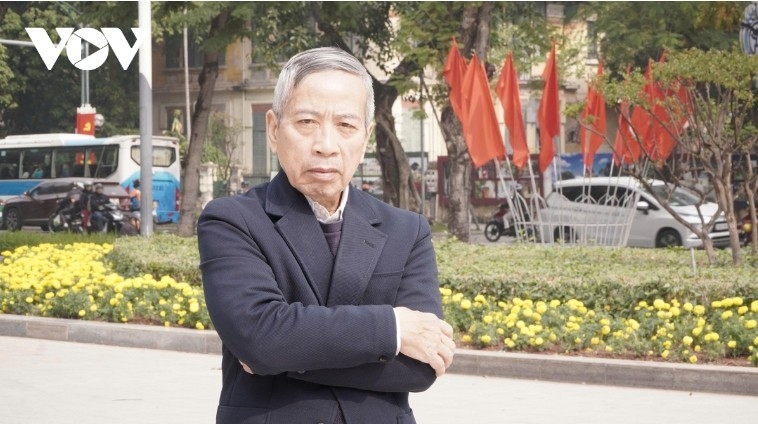
Dr Nguyen Huu Duc, a transport expert, said that as Vietnam pushes ahead with industrialization, modernization and deeper integration, key infrastructure projects are increasingly proving decisive to socio-economic growth.
“Infrastructure is not merely roads, seaports or airports; it is the backbone of the national economy, opening up new development space for regions and strengthening national competitiveness,” he said.
Modern infrastructure connects economic centers more effectively, lowers logistics costs, draws domestic and foreign investment and enables businesses to expand production and operations. “In other words, key infrastructure provides the foundation for the country to enter a period of prosperous and sustainable development,” Duc said.
Reviewing 2021-2025, he described the period as an important turning point in completing the national infrastructure network. Many critical expressway sections have been completed and put into operation; seaports and airports have been expanded; and numerous power and renewable energy projects have been launched.
The expressway network has expanded rapidly, linking key economic regions and generating strong spillover effects for local development. Gaps remain, including underdeveloped rail infrastructure, urban congestion and uneven public service quality. Even so, national infrastructure has made substantial progress, laying a crucial foundation for the next period of development.
Three strategic priorities
In transport, Duc identified three groups of projects of particular strategic importance. The first is the North-South Expressway, the country’s main transport artery, creating continuous development momentum.
The second is the North-South high-speed railway. Though still under study, it is viewed as a transformative project that would shorten travel time and ease pressure on aviation and road transport.
The third is the seaport and logistics system, especially international gateway ports such as Lach Huyen and Cai Mep-Thi Vai, which help position Vietnam as a regional transshipment hub.
These projects carry not only technical significance but also strategic value in economic, security and international integration terms.
Progress on the North-South Expressway is being accelerated, with many sections already in operation and generating clear spillover effects. Land prices, industrial investment, services and tourism in localities along the route have all recorded positive growth.
Major seaports have likewise demonstrated efficiency, as import-export cargo volumes continue to rise and logistics costs decline, spurring rapid expansion of coastal industrial zones.
At the same time, implementing large-scale transport projects continues to face challenges, including capital mobilization, site clearance, high technological requirements and project management capacity. If these bottlenecks are effectively resolved, key infrastructure works can fully realize their value and prevent waste of social resources, Duc said.
In major cities such as Ha Noi and Ho Chi Minh City, mounting population pressure and private vehicle growth require stronger development of modern public transport. The fundamental solution, he said, is to accelerate metro and bus rapid transit lines, combined with smart traffic management using digital technology and sound urban planning. When public transport becomes sufficiently convenient and safe, dependence on private vehicles will gradually decrease, helping ease congestion within five to 10 years.
Looking forward, Duc proposed three strategic priorities: modern transport infrastructure, digital infrastructure and green energy infrastructure. He also stressed that synchronisation, transparent and efficient governance, and a people-centered approach are decisive to ensuring effectiveness.
“Ultimately, key infrastructure projects are not only concrete, steel or roads; they symbolize development aspirations and mark the country’s strong transformation on its path of integration and sustainable growth,” he said.
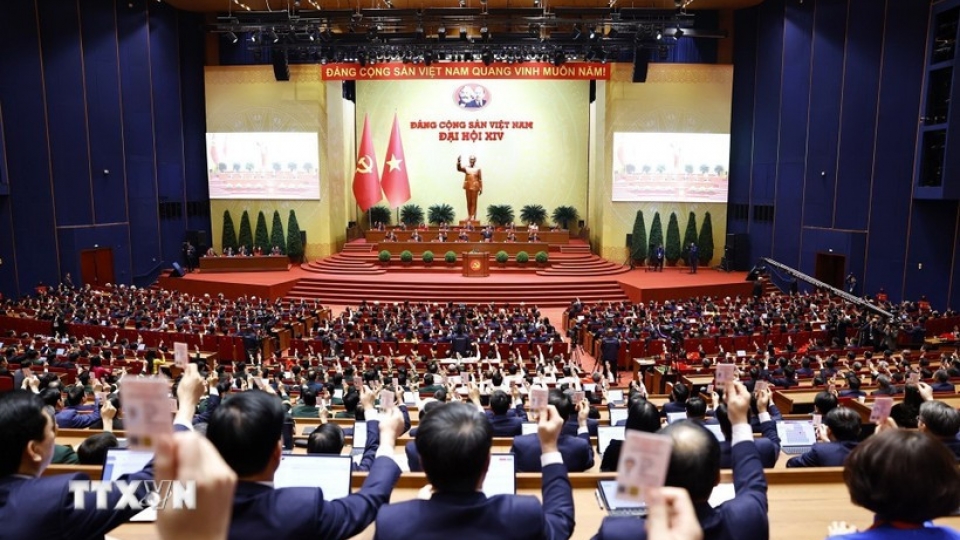
14th National Party Congress brings new vitality to international community
At a time when the world is grappling with unprecedented challenges ranging from armed conflicts and geopolitical instability to economic uncertainty and severe climate and environmental pressures, the 14th National Party Congress has brought a wave of new vitality to the international community.