


NA targets 10% growth for 2027 amid push for macroeconomic stability

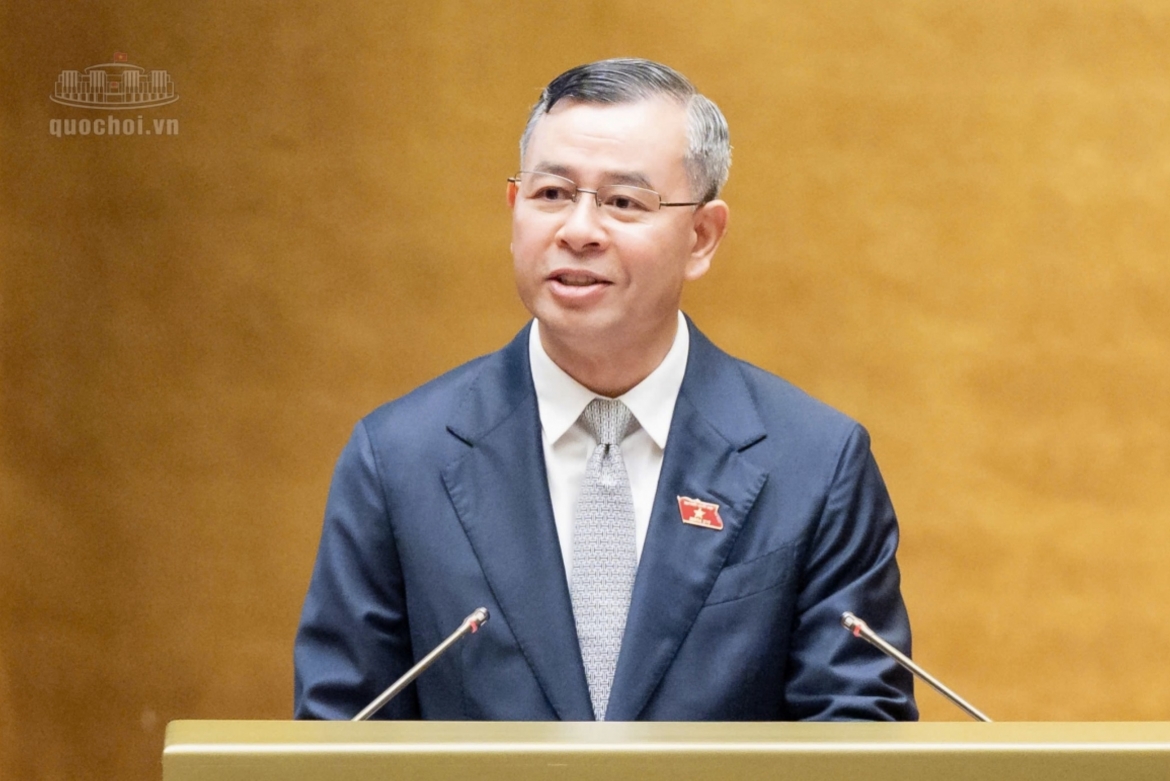
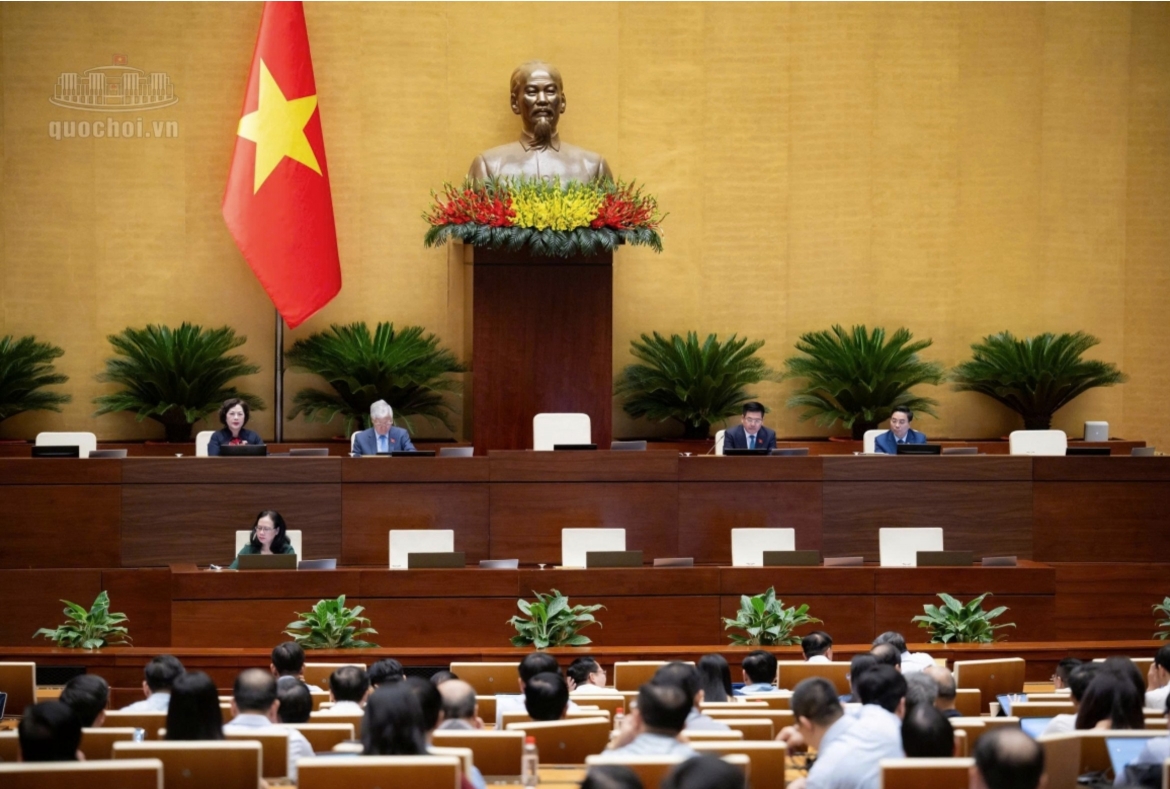
VOV.VN - The 16th National Assembly on November 7 passed a resolution on the 2027 socio-economic development plan, with 467 of 469 participating deputies voting in favor, accounting for 93.40% of the total legislature.
Private sector growth
Prior to the vote, Finance Minister Ngo Van Tuan, authorized by the Prime Minister, presented an explanatory and revised report on the draft resolution. The updated draft resolution outlines key targets, 45 primary indicators, and 11 core task groups based on the documents of the 14th National Party Congress and conclusions of the Party Central Committee.
To boost growth, the government will direct ministries, agencies, and localities to meet or exceed targets set by the National Assembly, linking the responsibility of each entity to specific timelines, deadlines, and measurable results.
Efforts will center on institutional reform, unlocking and optimizing resource allocation, bolstering traditional growth drivers, and making breakthroughs in new ones. Economic restructuring will run parallel with shifts in growth models driven by science, technology, innovation, digital transformation, and labor productivity gains.
The government underscored the necessity to develop economic sectors robustly, elevate the role of the private sector, and strengthen the economy's internal capacity, autonomy, and competitiveness.
Economic growth must go hand in hand with cultural and social development, environmental protection, job creation, and income enhancement. Growth benefits must be distributed equitably across regions and demographics to ensure citizens genuinely enjoy the fruits of development.
Flexible adjustment of fuel taxes and fees to spur growth
Addressing macroeconomic stability and inflation control, Minister Ngo Van Tuan noted that the global and regional economic outlook for 2027 will remain complex. Elevated energy, raw material, and transport costs, coupled with unpredictable monetary policies by major economies, will exert pressure on domestic management.
In response, the government views macroeconomic stability, inflation containment, and major economic balances as vital prerequisites to achieving growth of 10% or higher.
On fiscal policy, the government will continue to study and flexibly adjust fuel taxes, fees, and charges in alignment with market fluctuations and budgetary capacity, while evaluating the effectiveness of support measures to determine appropriate implementation in 2027.
Concurrently, tax system reform will proceed in a modern and transparent direction to broaden the tax base and secure sustainable revenue streams.
On monetary policy, the government will direct flexible management of interest rates and exchange rates based on market movements, control credit growth reasonably to channel capital into production, business, and growth drivers, while tightly managing high-risk sectors to ensure systemic safety.
Furthermore, it will strengthen analytical and forecasting capabilities to proactively formulate price management scenarios, secure supplies of essential commodities, and adjust state-managed prices appropriately.
Tuan affirmed that the government has seriously incorporated feedback from National Assembly deputies and voters nationwide to carry out the resolution effectively, establishing a solid foundation for the 2026-2030 socio-economic development targets.
Immediately following the approval of the resolution, the government instructed the Ministry of Finance and relevant ministries, agencies, and localities to urgently draft a government resolution on key tasks and solutions for the 2027 socio-economic development plan, with specific and pragmatic measures.
Lawmakers: Effective resource use key to Vietnam’s 10% growth ambition
VOV.VN - Vietnam is seeking to translate available resources into stronger economic performance as it pursues growth of at least 10%, with the Government highlighting institutional reform, investment efficiency and economic resilience as key priorities.
Vietnam targets 10%+ GDP growth in 2027, eyes productivity boost, resource efficiency
VOV.VN - Vietnam has set a target of at least 10% GDP growth in 2027, with the Party Central Committee stressing that the goal must be driven by higher productivity, stronger competitiveness and greater economic self-reliance, backed by more effective use of resources and faster implementation.


