




Malaysian analyst: Vietnam contributes to ASEAN's peace, stability and development

VOV.VN - Vietnam’s recent visits to Thailand, Singapore and the Philippines by Party General Secretary and State President To Lam demonstrate the country’s increasingly proactive role in shaping and coordinating cooperation within ASEAN, according Collins Chong Yew Keat, an analyst on foreign, security, and strategic affairs at University of Malaya (UM).
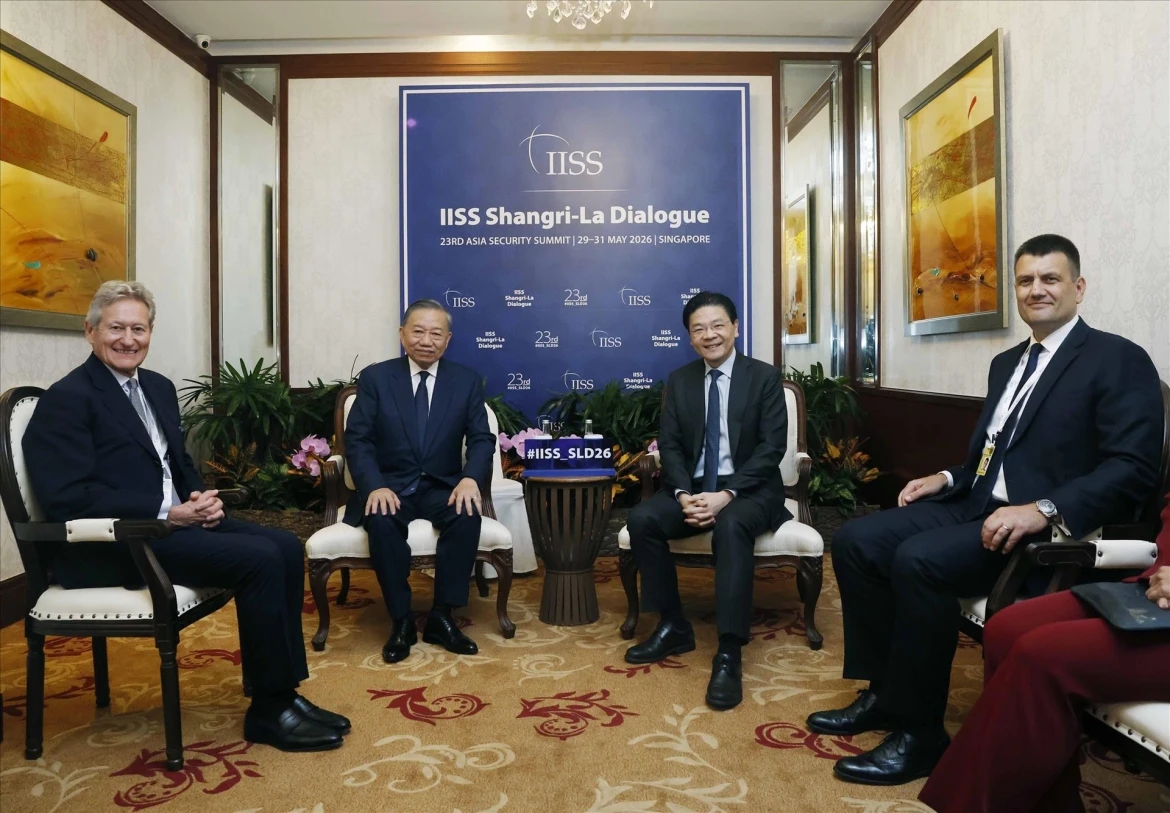
Speaking to the media in Kuala Lumpur on June 1, Collins said the visit to Thailand coincided with the 50th anniversary of diplomatic relations between the two countries and followed the elevation of bilateral ties to a Comprehensive Strategic Partnership in 2025.
As two of ASEAN’s major economies, Vietnam and Thailand are working to build a more integrated regional economic space through stronger cooperation in tourism, logistics, food security, energy, green growth and private-sector investment. Collins noted that the Vietnam-Thailand Business Forum attracted nearly 700 businesses from both countries, underscoring growing economic connectivity within ASEAN.
Regarding Singapore, the analyst highlighted To Lam’s keynote address at the 23rd Shangri-La Dialogue and the significance of the visit following the upgrade of Vietnam-Singapore relations to a Comprehensive Strategic Partnership in March 2025.
Both nations signed cooperation agreements covering technology, supply-chain resilience, education, judicial cooperation, public administration and political relations. Collins said Singapore is evolving from a major investor into a model and partner for Vietnam’s next stage of development in areas such as digital governance, advanced manufacturing, finance, clean energy, innovation and supply-chain upgrading.
He also noted that To Lam’s keynote speech at the Shangri-La Dialogue drew international attention. The Vietnamese leader identified three interconnected challenges facing the world today: a crisis in the international order, a crisis in development models and a crisis of strategic trust. He also called for stronger adherence to international law, inclusive development and dialogue.
According to Collins, these messages helped enhance Vietnam’s diplomatic profile while reaffirming its role as a proactive and responsible ASEAN member willing to contribute to discussions on regional issues, including maritime security, the regional order and the role of major powers.
The analyst described the state visit to the Philippines as the leg of the tour that produced the most significant security-related outcomes. During the visit, the two countries issued a Joint Statement on the Enhanced Strategic Partnership between Vietnam and the Philippines.
The development was particularly significant as Vietnam is currently the Philippines’ only strategic partner within ASEAN. As two coastal states in the South China Sea, both countries continue to bolster the maritime security cooperation framework they have been building in recent years.
The visit also sent a clear diplomatic message that Vietnam views the Philippines not only as an important bilateral partner but also as a key component of ASEAN’s broader maritime cooperation and security architecture, he went on.
Overall, he said the three visits contributed to peace, stability and development across ASEAN in several ways. They strengthened political trust, promoted cooperation among member states and reinforced ASEAN unity and centrality in regional affairs.
The visits also reaffirmed Vietnam’s support for international law, respect for sovereignty, the peaceful settlement of disputes and a stable environment conducive to development. Collins added that the messages delivered during the Singapore visit reflected Vietnam’s consistent emphasis on cooperation, dialogue and confidence-building.
He further noted that the visits opened up new opportunities for economic cooperation between Vietnam and ASEAN partners in areas including green growth, agriculture, energy, tourism, technology, innovation, finance and supply-chain connectivity.
In addition, stronger cooperation among East Sea littoral states, including Vietnam and the Philippines, will help promote dialogue, build trust and expand practical maritime cooperation, thus supporting efforts to maintain peace, stability and cooperation in the region.
Collins concluded that, at a time when ASEAN faces growing geopolitical, security and economic challenges, the visits to Thailand, Singapore and the Philippines underscored Vietnam’s desire to continue playing a proactive, responsible and constructive role in promoting peace, stability and development in ASEAN.
Top Vietnamese leader’s Shangri-La address makes strong impact: Chinese scholar
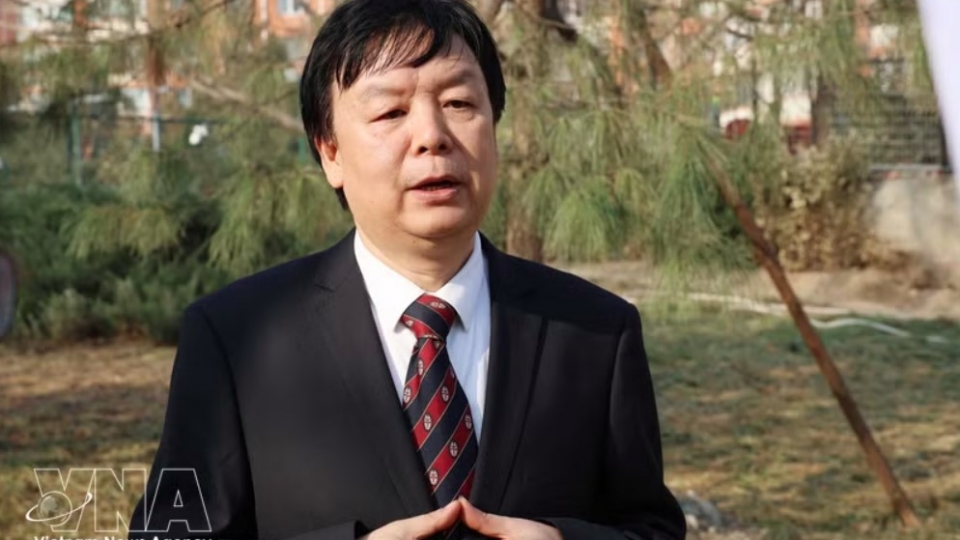
The keynote address by General Secretary of the Communist Party of Vietnam (CPV) Central Committee and State President To Lam at the opening session of the 23rd Shangri-La Dialogue on May 29 was among the most influential speeches delivered at the forum and generated strong resonance, a Chinese scholar has said.


