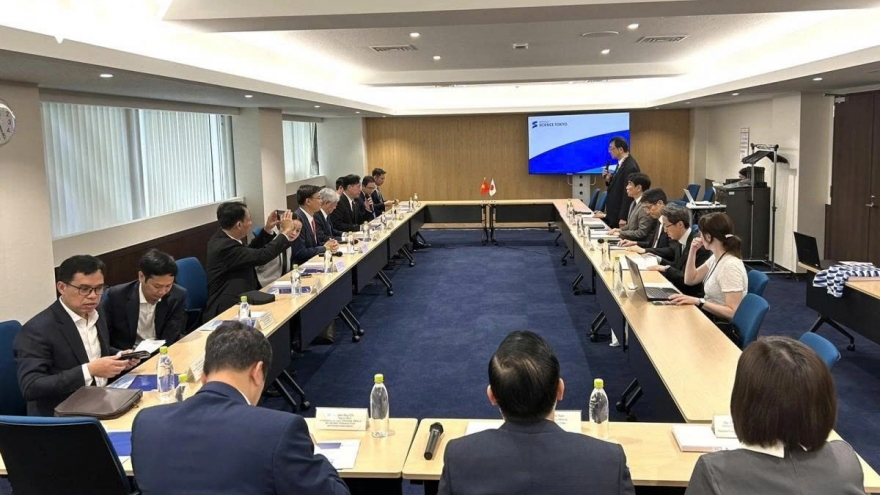
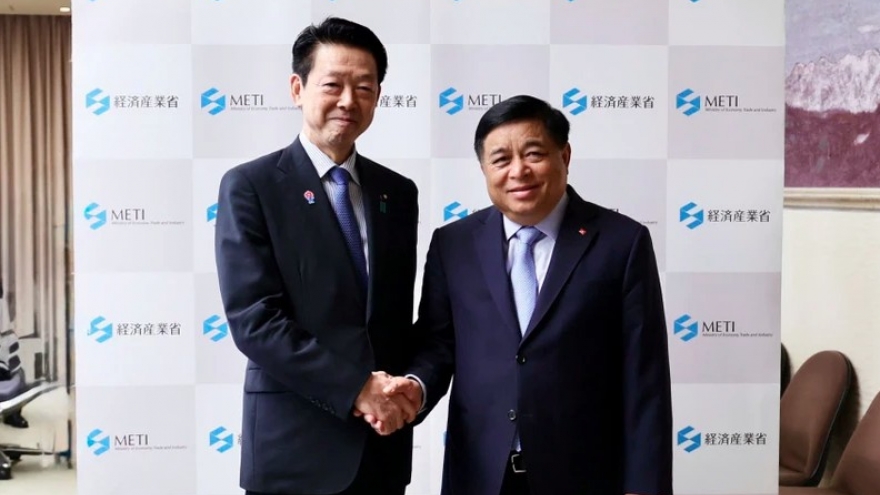
Hanoi, Tokyo step up cooperation in technology, sustainable development

Hanoi and Tokyo are deepening cooperation in high technology, digital transformation and sustainable development as the Vietnamese capital seeks to accelerate innovation-driven growth and strengthen international partnerships.
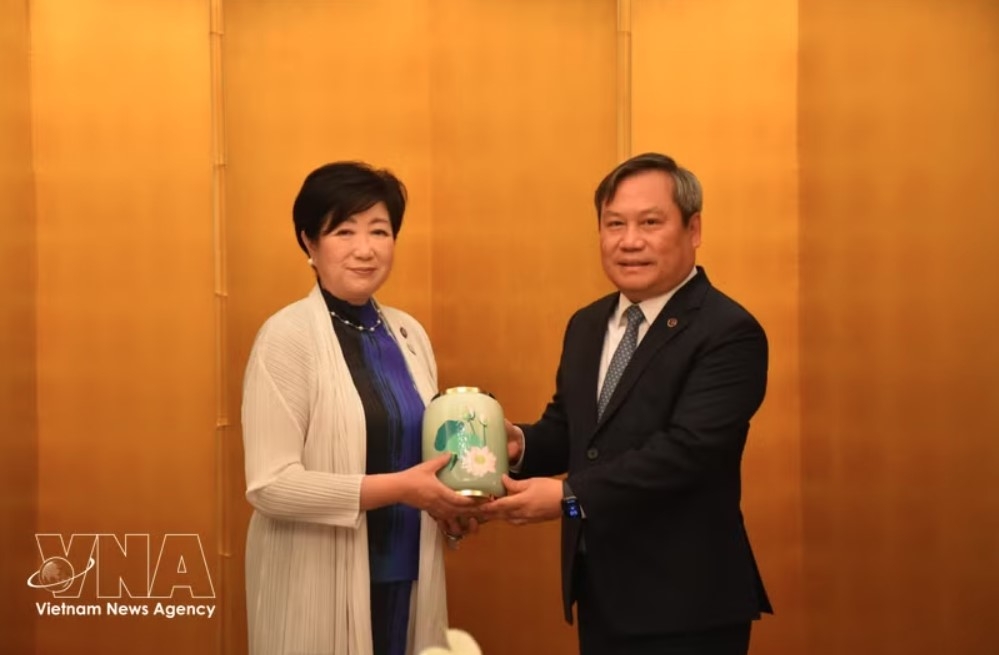
On April 28, as part of a working visit to Japan, a high-level delegation from Hanoi led by Chairman of the municipal People’s Committee Vu Dai Thang met with Tokyo Governor Koike Yuriko.
At the meeting, Koike welcomed the Hanoi delegation and thanked Thang for participating and delivering remarks at the 2026 Global Network of Cities for Sustainability (G-NETS) leaders summit, as well as attending a dialogue on sustainable development between Tokyo and ASEAN capitals. She expressed her hope that G-NETS 2026 and related dialogues will further strengthen ties between Tokyo and cities worldwide, particularly those in Southeast Asia, including Hanoi.
For his part, Thang thanked Tokyo authorities for inviting Hanoi leaders to take part in the forum on sustainable technology development and artificial intelligence (AI) application. He described the event as a valuable opportunity for city leaders to exchange views on technological trends and digital transformation.
He noted that Tokyo’s organisation of G-NETS meetings for three consecutive years has helped enhance connectivity among global cities. The 2026 edition, focusing on sustainable technology and AI application, is particularly relevant to urban development today. Hanoi, he added, will share its experience in deploying AI solutions, promoting sustainable development, and applying high technology.
The Hanoi leader also expressed gratitude to Tokyo and Japan for their longstanding support in the Vietnamese city’s economic – industrial development and environmental protection. He stressed that the memorandum of understanding signed between the two cities in 2013 has proven effective, and their friendship epitomises the breakthrough growth of Vietnam – Japan relations across all fields.
Looking ahead, Hanoi hopes to further expand cooperation with Tokyo in high technology, green transition and energy transition, he said, extending an invitation to Governor Koike and her colleagues to visit the Vietnamese capital in the near future.
At the G-NETS leaders summit, Thang delivered a presentation on artificial intelligence and digital technology. He highlighted Hanoi’s adoption of an “AI First” approach, placing data and AI at the core of building a digital administration and improving governance efficiency. AI applications have been widely introduced across areas, helping improve public services, reduce costs and increase citizen engagement, notably through the iHanoi digital platform.
Addressing concerns raised by participants about potential job losses due to AI, the official emphasised that AI development must centre on people and businesses. He affirmed that AI will not lead to mass layoffs but instead support workforce restructuring towards better alignment with individual capabilities, alongside appropriate policies to safeguard workers’ rights. AI, he stressed, is intended to improve job quality rather than reduce headcount.
At the closing plenary, Thang, Koike and representatives of participating cities adopted a joint declaration outlining commitments to sustainable urban development and technological innovation.
Also on April 28, the Hanoi delegation attended the SusHi Tech Tokyo 2026 exhibition at Tokyo Big Sight, where Thang visited booths of Vietnamese digital transformation enterprises and tech startups, praising their rapid growth and innovation capacity.
In a separate meeting with representatives from the Asian Development Bank (ADB), the Hanoi leader highlighted the city’s significant demand for resources to meet its ambitious growth targets. In addition to domestic resources, Hanoi is seeking support from traditional partners and new financial sources, particularly bilateral and multilateral institutions such as the ADB.
He thanked the ADB for its assistance in the implementation of Hanoi’s Metro Line No. 3 project, which has largely remained on schedule.
In response, Winfried Wicklein, Director General of the ADB's Southeast Asia Department, reaffirmed the bank’s commitment to accelerating project completion and exploring further cooperation in urban railways, science and technology, and transport infrastructure.
On April 27, the Hanoi delegation met with young Vietnamese scientists and experts working in Japan in the fields of science, technology and digital transformation. At the meeting held at the Vietnamese Embassy in Japan, participants proposed initiatives on technology application, digital transformation and urban planning for Hanoi.
Thang said the exchange demonstrated the strong contributions from Vietnamese intellectuals abroad and reaffirmed the city’s determination to make science, technology and innovation a key driver of development, with the goal of turning Hanoi into a major science hub in the coming years.
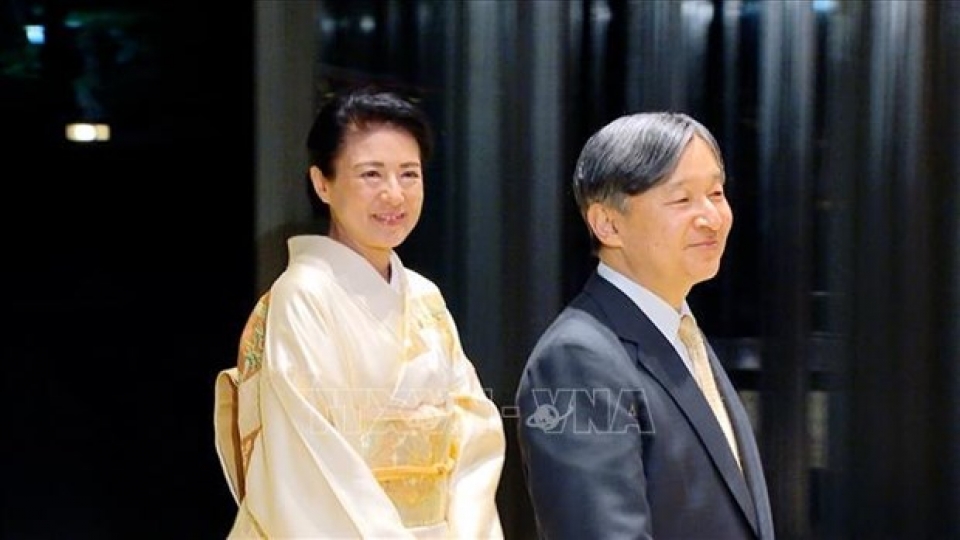
Prime Minister meets Japanese royal family members in Tokyo
Prime Minister Pham Minh Chinh and other ASEAN leaders met Japanese Emperor Naruhito, Empress Masako, Crown Prince Akishino and Crown Princess Kiko in Tokyo on December 18 within the framework of his trip to Japan for the Commemorative Summit for the 50th Year of ASEAN-Japan Friendship and Cooperation, and bilateral activities.