Hanoi needs to modernise without losing identity: Party and State leader

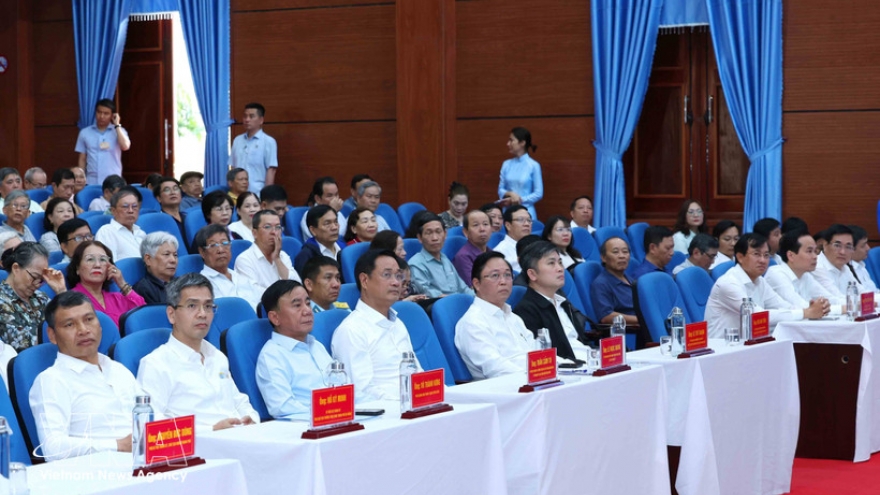
VOV.VN - Hanoi must be more modern without losing its identity, grow faster without compromising sustainability, and achieve higher growth while ensuring people benefit more clearly, Party General Secretary and State President To Lam said at a voter meeting in Hanoi on May 4.
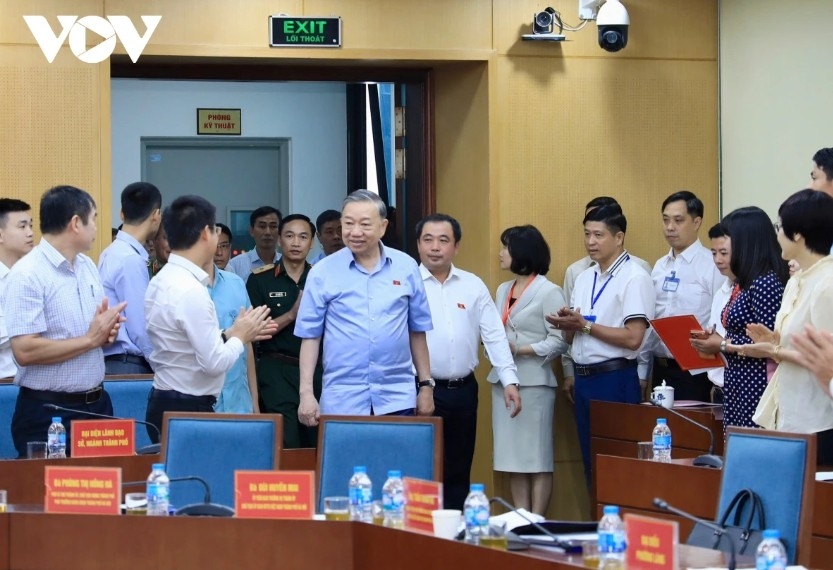
At the meeting, voters said the National Assembly had adopted many important laws and resolutions affecting socio-economic development, finance and the state budget, social welfare and state management, with direct impacts on employment, income and daily life.
They called for these policies to be quickly translated into concrete measures and implemented consistently, ensuring people can easily access and fully benefit from them. They also noted continued improvements in the National Assembly’s working style, describing it as more urgent, scientific, democratic and responsible, with newly elected deputies actively speaking and debating from the first session, strengthening public confidence.
At the meeting, voters also raised concerns from the grassroots level. On food safety, voter Nguyen Xuan Tung said the use of banned substances in livestock, excessive preservatives and the widespread sale of counterfeit and substandard food require stronger criminal penalties to ensure deterrence.
Responding, To Lam said the concerns raised by voters were well-founded, noting that responsibility had previously been unclear as several ministries were involved. It has now been agreed to assign the Ministry of Health responsibility for issues ranging from counterfeit and substandard food to food sold online, free health check-ups, family doctor models, electronic health records and elderly care. He stressed that tighter management, clearer guidance and more clearly defined responsibilities are needed, with food safety controlled from production to consumption.
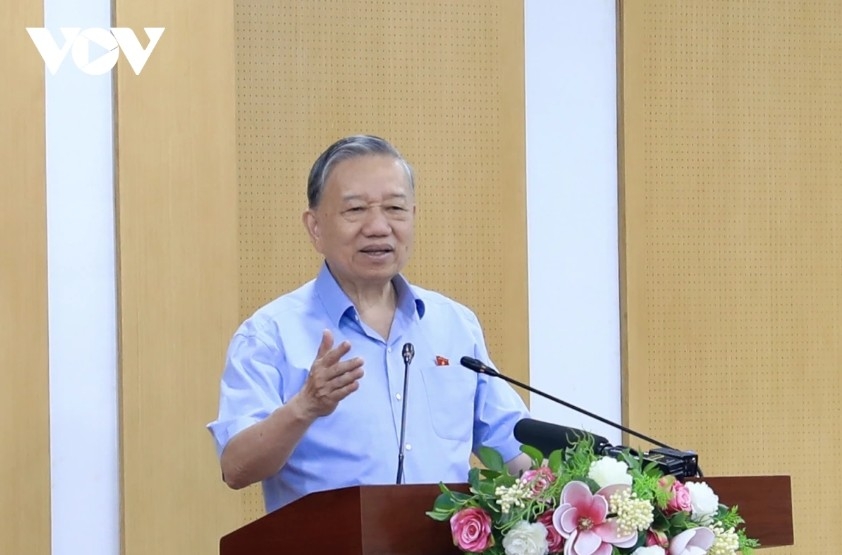
On healthcare, he said medical staff account for about 10% of public employees nationwide, far fewer than in the education sector. He said calculations are being made on ratios such as one doctor per 500, 1,000 or 2,000 people, while emphasising the importance of family doctors and lifelong electronic health records.
Regarding the two-tier local government model, To Lam said voters had noted initial improvements, including a more streamlined apparatus, greater initiative at the grassroots level and more convenient administrative procedures.
However, he said the public expects remarkable improvements in services, with local authorities staying close to residents, understanding needs in employment, vocational training and job transition, and strengthening links between government and businesses.
He also highlighted key directions for Hanoi, including aligning the Capital Law and urban planning within a unified framework and identifying priorities and bottlenecks to address first, particularly those directly affecting people’s lives and long-term growth drivers.
These include transport, environment, flooding, renovation of old apartment buildings, social housing development, urban renewal, land management, handling delayed projects, food safety, grassroots healthcare, school safety and the quality of public services.
He emphasized that economic development in Hanoi must go hand in hand with cultural and human development. The thousand-year heritage of Thang Long-Hanoi should not only be a source of pride but also an internal driving force for development.
The qualities of Hanoians-elegant, civilised, compassionate, respectful of knowledge and discipline, and rich in patriotism and community responsibility, should continue to be fostered in modern urban life.
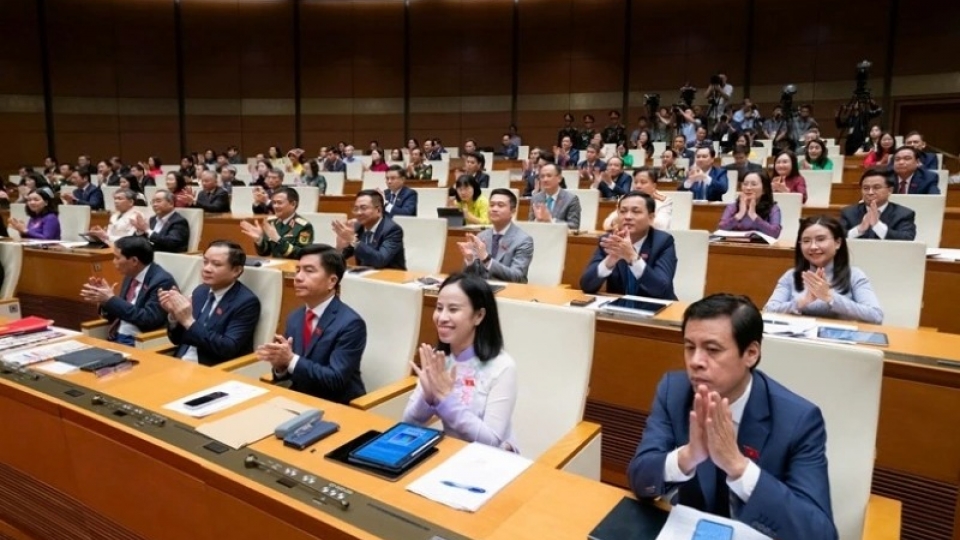
Voters express confidence in new leadership, expect bold reforms
VOV.VN - Following the election of key state leadership positions for the 2026–2031 term by the National Assembly, including the election of Party General Secretary To Lam as State President, voters across Vietnam have expressed strong consensus and confidence in the country’s leadership consolidation.