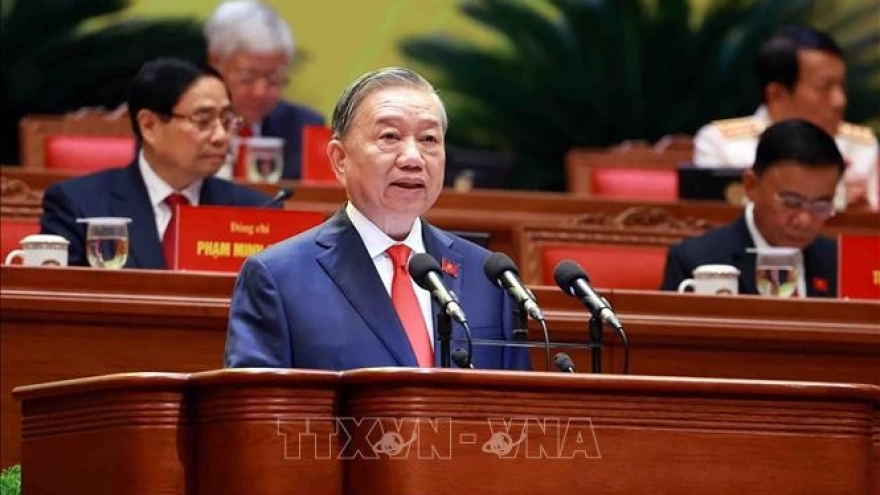
Driving force for Vietnam to continue renewal, innovation, breakthroughs

Regeneración, the main political-theoretical publication of Mexico’s ruling National Regeneration Movement (Morena), on January 19 carried an article by Pedro Gellert highlighting the significance of the 14th National Congress of the Communist Party of Vietnam (CPV).
Opening the writing, Gellert noted that in world history, Vietnam has long been known as a symbol of the revolutionary struggle for national independence, freedom, and reunification in the 20th century. The Great 1975 Spring Victory marked a brilliant milestone that ended a prolonged war, liberated the South, reunified the country, and ushered in an era of independence, unity, and progress toward socialism. This victory, he wrote, held profound significance for the Vietnamese people and became a global symbol of the aspiration for peace, independence, and national self-determination.
Today, Vietnam continues to draw the attention of the international community thanks to its remarkable achievements in national development under the leadership of the CPV. From a poor country with war-ravaged infrastructure and an underdeveloped economy, Vietnam has gradually overcome difficulties to follow a development path suited to its historical conditions and practical realities.
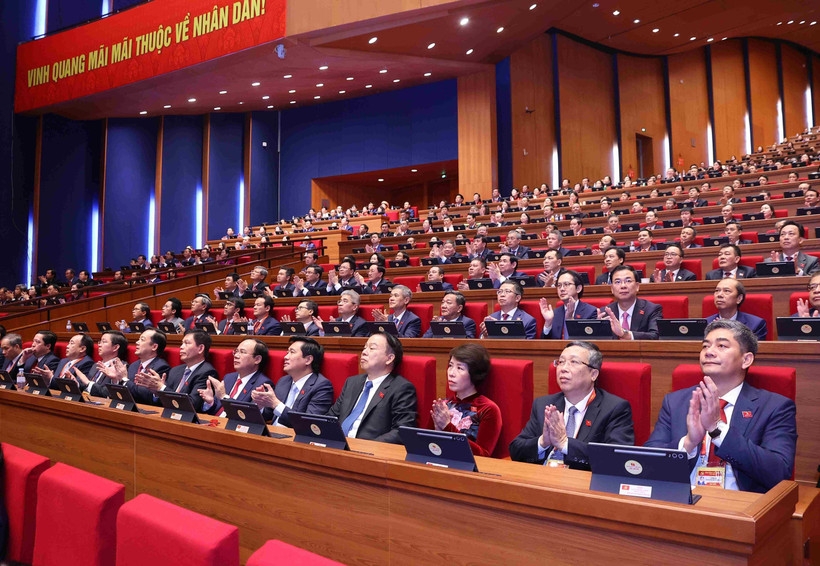
The article noted that the Congress, attended by 1,586 delegates representing more than 5.6 million Party members nationwide, is taking place as Vietnam’s population has surpassed 100 million. This, it said, reflects the role, position, and responsibility of the CPV as the force leading the State and society, closely connected with the people, and subject to their supervision.
The author also praised the thorough preparations for the Congress, particularly the CPV’s emphasis on promoting democracy by listening to and incorporating feedback from officials, Party members, and people from all walks of life on the draft documents submitted to the Congress. This process, conducted through diverse channels including digital platforms and online consultations, has helped ensure that the documents are closely aligned with reality and fully reflect the legitimate aspirations of the people, thereby fostering broad social consensus.
The article further highlighted that the Congress is being held amid complex and unpredictable global and regional developments. However, Vietnam has still maintained macroeconomic stability while effectively controlling inflation and public debt.
Regeneración observed that from a war-torn and impoverished country, Vietnam has gradually emerged as a dynamic economy with increasingly deep integration into regional and global economies. It is now an active member of many multilateral cooperation mechanisms, has signed and implemented numerous new-generation free trade agreements, and maintains strategic and comprehensive partnerships with many countries and international organisations.
The goals of becoming a developing country with a modern industrial base and upper-middle income by 2030, and a developed, high-income nation by 2045, are seen as both a major challenge and a strong driver for Vietnam to push ahead with renewal, innovation, and breakthroughs.
In that context, the 14th National Party Congress is expected to adopt strategic decisions to secure an average GDP growth rate of at least 10% per year during the 2026–2030 period, raise GDP per capita to about US$8,500 by 2030, and continue improving the Human Development Index (HDI).
The outcomes of the Congress will be significant not only for Vietnam but also for the international community. Vietnam’s experience in harmonising economic growth with social equity, political stability, and sustainable development is attracting growing interest from many countries, particularly developing nations, as a subject of study and reference amid the rapidly changing global landscape.
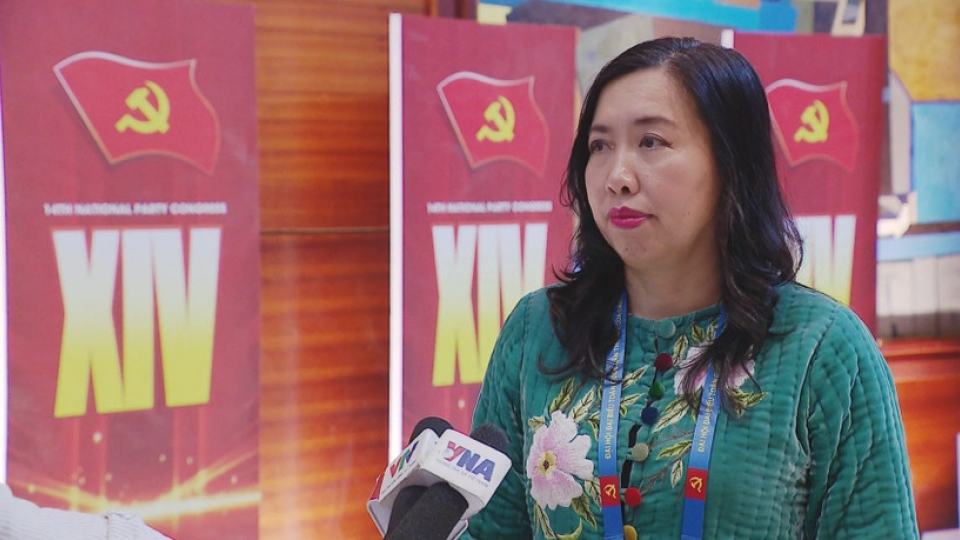
14th Party Congress: Promoting a peaceful, hospitable Vietnam to int'l friends
The 14th National Party Congress has drawn strong attention from the international community, providing an important opportunity to showcase Vietnam’s development achievements and spread its image as a peaceful, dynamic and hospitable country to the world, said Deputy Minister of Foreign Affairs Le Thi Thu Hang.