Vietnam pushes back against online disinformation ahead of key elections

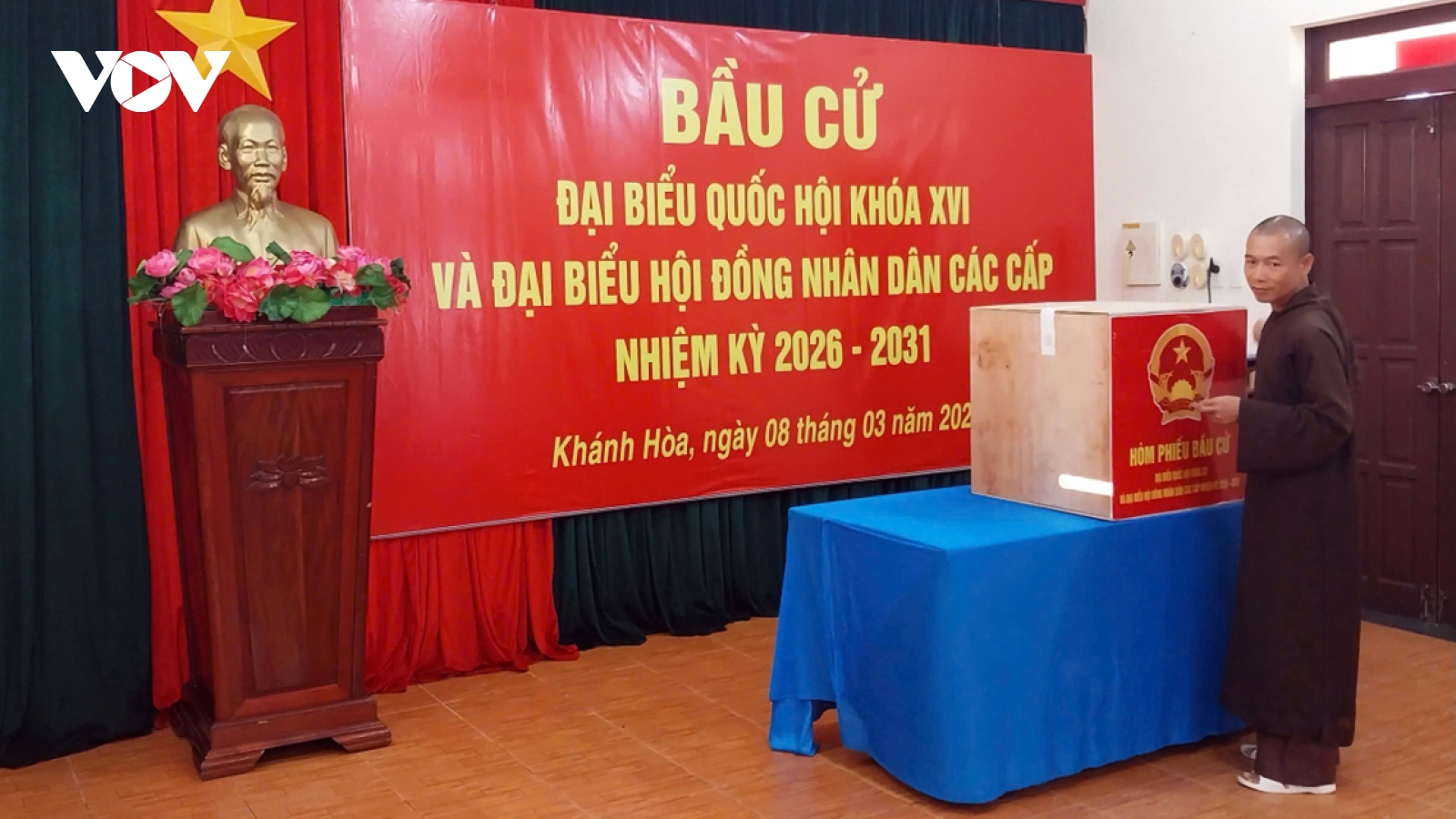
VOV.VN - With Vietnam’s elections for deputies to the National Assembly and local People’s Councils for the 2026–2031 term approaching, authorities and society are stepping up efforts to address online disinformation that could distort public perception and undermine confidence in the electoral process.
Vietnamese voters will cast their ballots on March 15 to elect deputies to the 16th National Assembly and local People’s Council for the 2026-2031 term. The country is entering an important political moment that reflects the people’s right to participate in governance.
However, whenever Vietnam approaches major political events, hostile forces and opportunistic actors tend to intensify disinformation campaigns, particularly on social media platforms. Identifying these narratives and countering them effectively is essential to safeguarding the integrity of the electoral process and maintaining public trust.
Cyberspace as a soft battlefield
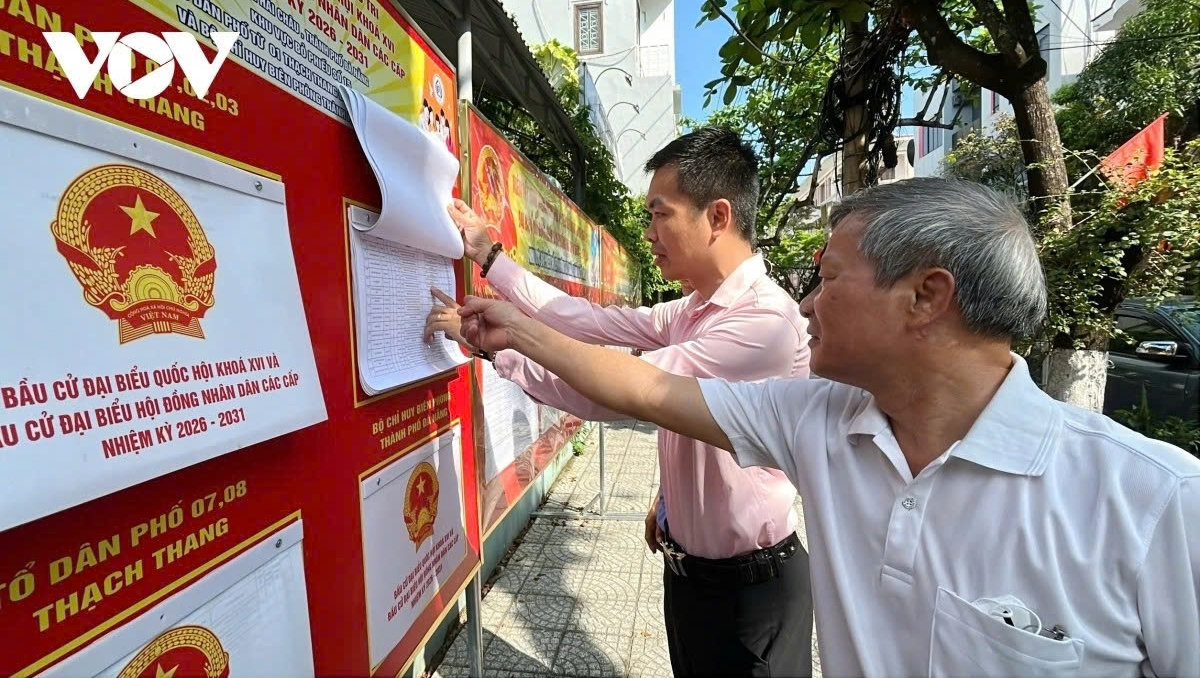
The rapid expansion of the internet and social media has created unprecedented opportunities for social interaction and economic and cultural development. At the same time, it has also been exploited by hostile actors as a “soft battlefield” in efforts to undermine political stability.
Ahead of the elections, misleading information about Vietnam’s electoral process has appeared on various social media platforms, personal blogs and unofficial media channels. These narratives often rely on familiar tactics such as distorting the nature of Vietnam’s political system, spreading misinformation, manipulating images or exaggerating social issues in order to generate public skepticism.
Notably, such activities are rarely isolated. Networks of fake accounts are often used to spread similar messages simultaneously across multiple platforms, creating the illusion of widespread public opinion. This tactic of information manipulation aims to blur the boundary between truth and falsehood and gradually erode public confidence.
Misrepresenting the concept of democracy
One of the most common narratives claims that elections in Vietnam are “symbolic,” “non-competitive,” or lacking “freedom of choice.” In reality, such claims often stem from attempts to impose the political models of other countries as the sole standard for evaluating democratic processes.
In Vietnam, the electoral system is clearly defined in the 2013 Constitution and the Law on the Election of Deputies to the National Assembly and People’s Councils.
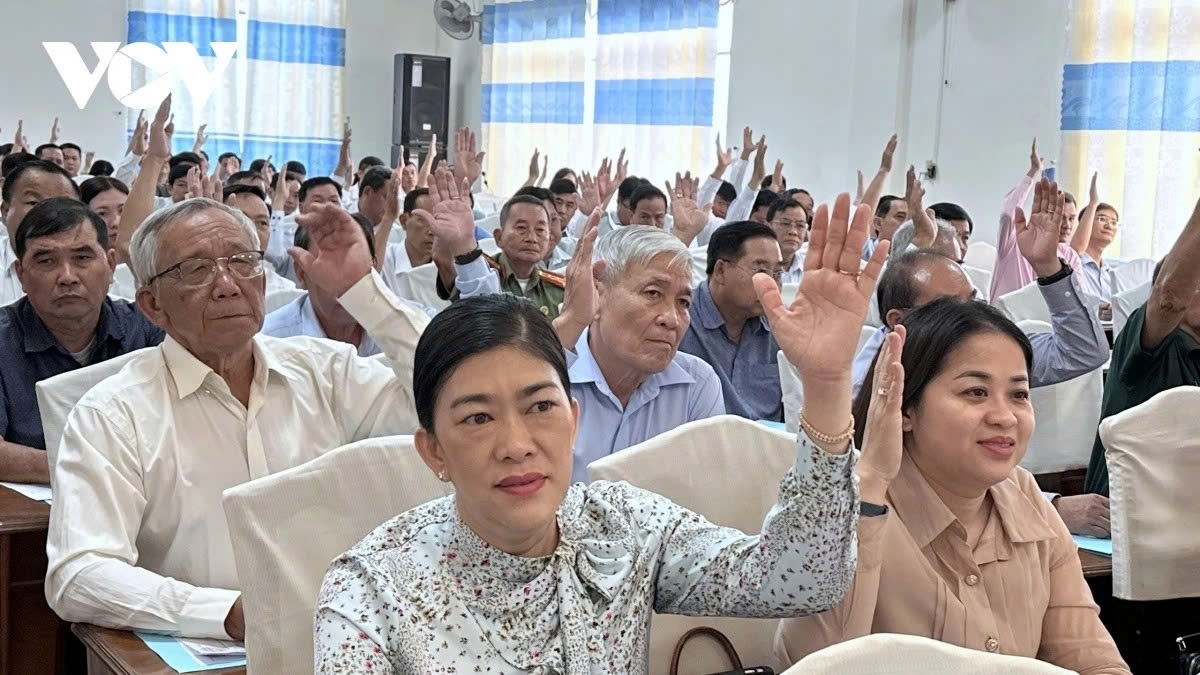
The election process is conducted through several structured stages. A key component is the consultation mechanism led by the Vietnam Fatherland Front, which helps ensure that candidates meet the required standards of competence, integrity and public trust.
This consultation process is not a “closed arrangement” as some critics suggest. It involves multiple rounds of discussion with the participation of socio-political organisations and representatives of voters, covering candidate nomination, public consultation at residential communities and the publication of official candidate lists.
According to Associate Professor Dr. Cao Van Trong, scientific secretary of the Party’s Central Theoretical Council, the consultation mechanism functions both as a preliminary review of candidates’ political and ethical qualifications and as a test of their social credibility.
“Without such a mechanism, elections could easily be influenced by money, media campaigns or interest groups,” he noted. “Vietnam’s consultation process aims to reduce such risks and ensure relatively fair opportunities for candidates.”
In practice, candidates who fail to gain sufficient support from voters may not be included on the final candidate list.
Isolated cases cannot define the whole system
Another tactic often used by critics is to exaggerate isolated cases of individual misconduct and portray them as evidence that the entire political system lacks democracy.
In reality, individual violations can occur in any political system. What matters most is whether mechanisms exist to address them transparently and effectively.
According to Associate Professor Dr. Bui Hoai Son, a member of the National Assembly’s Committee for Culture and Social Affairs, no democracy is immune to individual wrongdoing.
“The true strength of a democratic system lies in its ability to correct itself and maintain accountability,” he said. “Publicly addressing violations does not weaken democracy; it reinforces public confidence that power remains subject to the law.”
In Vietnam, cases involving violations are handled according to legal regulations, including dismissal from office or criminal prosecution when necessary.
Democracy, law and social responsibility
In modern society, freedom of expression and access to information are essential rights that must be protected. However, these freedoms also operate within the framework of law.
Vietnam has established legal provisions to ensure a healthy information environment, including the 2025 Law on Cybersecurity and the 2015 Law on Cyberinformation Security.
These laws stipulate that the misuse of the internet to spread misinformation, distort policies or incite social division will be subject to legal sanctions.
Recent cases involving the spread of false information online have been investigated and handled in accordance with the law, reaffirming a clear principle that cyberspace is not beyond legal accountability.
A collective effort to protect election integrity
Countering disinformation is not solely the responsibility of state institutions but also a shared duty across society.
Media organisations play a crucial role in providing accurate and transparent information about election preparations, candidate lists and the consultation process. When official information is disseminated clearly and promptly, false narratives have far less opportunity to spread.
Citizens also bear responsibility when participating in online spaces by verifying information before sharing it and avoiding the spread of unverified content.
When each citizen acts as a responsible “information gatekeeper,” a broader social front can emerge to safeguard the integrity of the information environment and protect the electoral process.
Public trust as the foundation of political strength
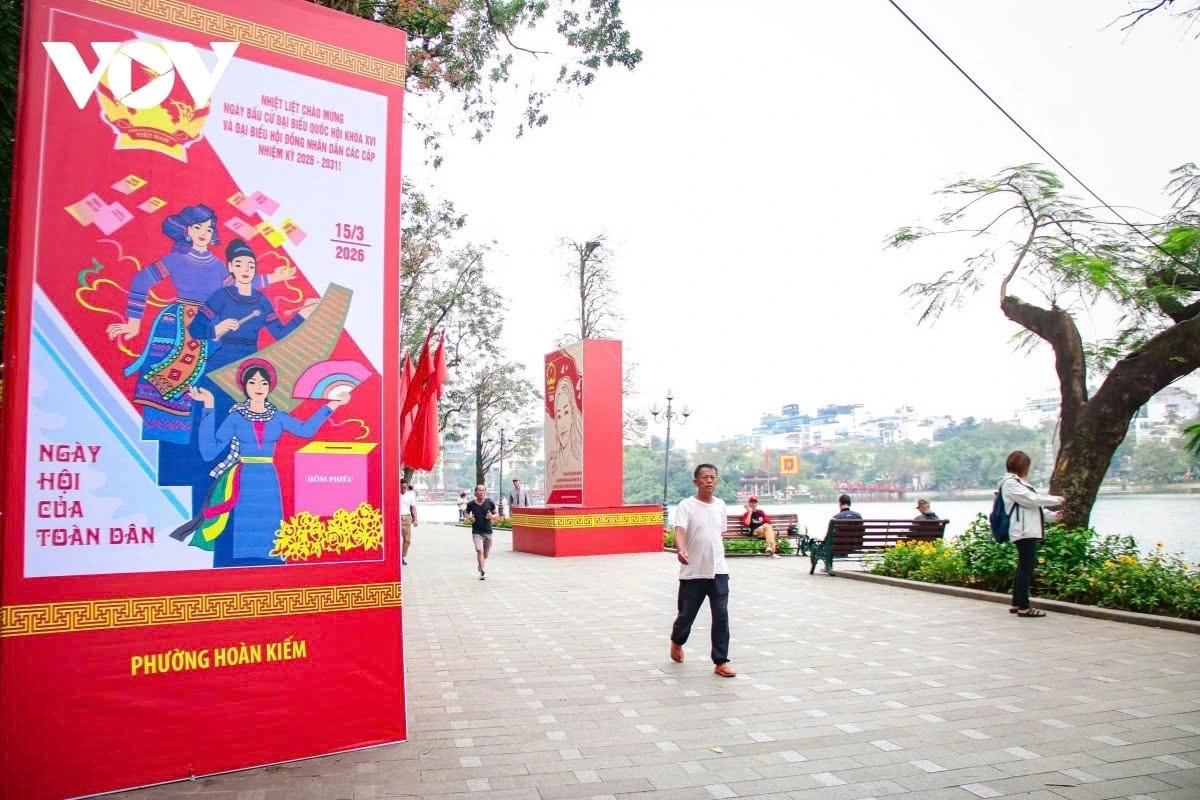
History shows that hostile actors often attempt to exploit sensitive moments during major political events in Vietnam. Yet it also demonstrates that the country’s political strength ultimately rests on public trust and national unity.
The upcoming elections for the 16th National Assembly and local People’s Councils for the 2026–2031 term represent not merely a legal procedure but a fundamental expression of the people’s democratic rights.
When laws are strictly enforced, when the media provides transparent information and when citizens understand both their rights and responsibilities, attempts to spread disinformation are unlikely to undermine public confidence.
Safeguarding the integrity of elections is therefore not only about protecting the voting process but also about strengthening democracy, maintaining political stability and ensuring sustainable national development.
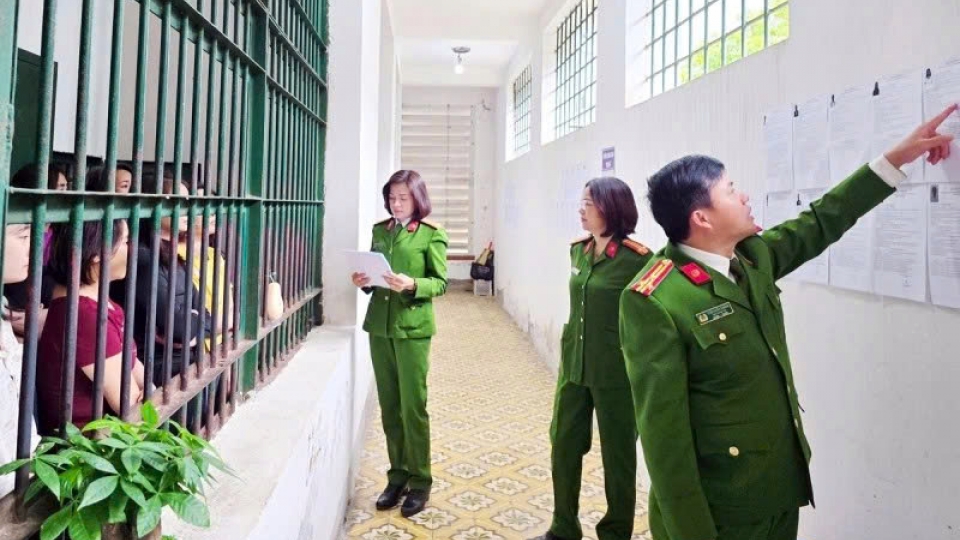
Vietnam ensures voting rights for detainees ahead of national elections
VOV.VN - Authorities in several detention facilities in Nghe An and Ha Tinh provinces in central Vietnam are stepping up preparations to ensure that people held in temporary custody can exercise their right to vote in the country’s upcoming elections.