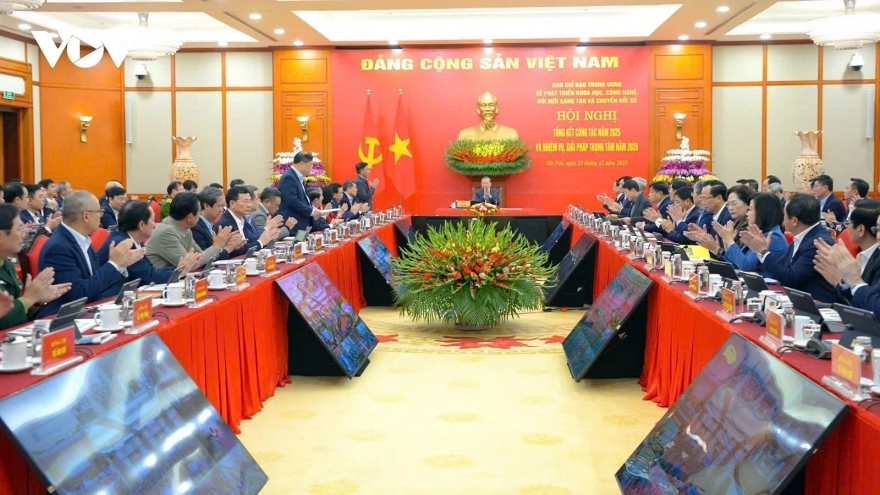
Vietnam looks to 14th Party Congress to drive long-term development goals

VOV.VN - The coming 14th National Congress of the Communist Party of Vietnam (CPV) is widely viewed as a historic milestone, as it will not only review past achievements but also serve as a powerful call to action that reignites national aspirations for development.
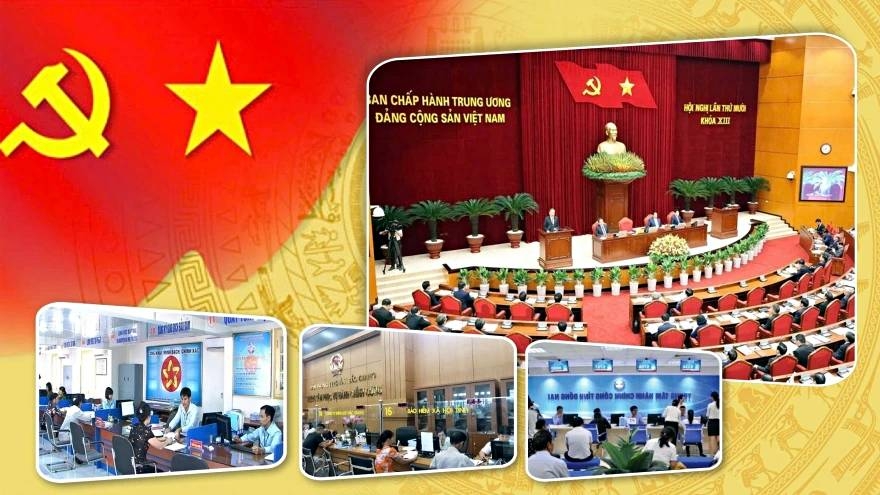
Scheduled to take place in Hanoi from January 19 to 25, the congress comes at a pivotal moment as Vietnam seeks to realize its long-term vision of becoming an upper middle-income economy by 2030 to mark 100 years of the CPV and a developed, high-income economy by 2045 to celebrate 100 years of the socialist state. The event is expected to usher in what leaders describe as a new era defined by strategic autonomy, resilience and accelerated growth.
The congress themed “Under the Party’s Glorious Flag, Unite and Strive to Achieve National Development Goals to 2030; Strengthen Strategic Autonomy, Confidence and Self-Reliance to Advance in the Era of National Aspiration for Peace, Independence, Democracy, Prosperity and Happiness”, is seen as a turning point with long-term historical significance.
Often compared to a second Đổi Mới (Renewal” process following the first introduced at the 6th congress in 1986, this congress reflects strong political determination to guide Vietnam into a new development phase. The draft Political Report has been carefully prepared, featuring a more concise structure, high-level synthesis and clearer strategic focus.
According to Professor Ta Ngoc Tan, former member of the Party Central Committee and standing deputy head of the Editorial Subcommittee for the congress documents, the decision to merge three major reports (the political, socio-economic and Party-building reports) into a single Political Report marks a major institutional breakthrough. The move underscores unified strategic thinking, reform-oriented leadership and decisive governance.
Another notable innovation is the early and concurrent translation of Party guidelines into concrete strategic policies. Prior to the congress, the Politburo issued a series of key resolutions to operationalize the Party’s direction, enabling authorities to promptly address institutional bottlenecks and accelerate implementation immediately after the congress.
Reflecting on Vietnam’s reform trajectory, Associate Professor Nguyen Viet Thao, former deputy director of the Ho Chi Minh National Academy of Politics, noted that after a decade of reforms beginning in 1986, Vietnam overcame economic hardship and entered the group of middle-income countries, with per capita income surpassing US$1,000 by 2008.
“We have emerged from underdevelopment and entered the group of developing countries with middle income. This is a historically significant achievement, opening a new chapter in the history of the Vietnamese nation,” emphasises the scholar.
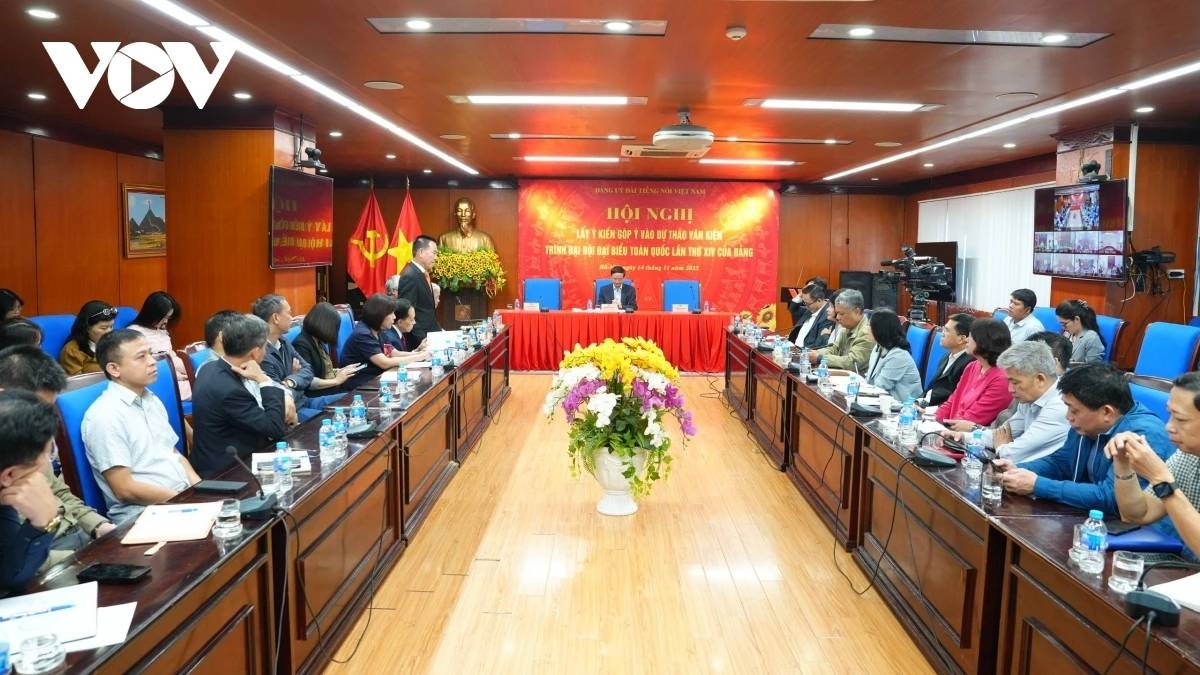
Forty years of Đổi Mới have marked a historical turning point, helping the country overcome underdevelopment and gradually perfect its socialist-oriented market economy. From a backward agricultural country, Vietnam has become a large-scale economy in the region. By 2025, the country’s GDP is expected to exceed US$500 billion, making it the fourth largest economy in ASEAN and the 32nd largest in the world. Its trade turnover is projected to exceed US$900 billion, placing it among the top 20 countries. Vietnam continues to be a bright spot in economic recovery and growth amidst global uncertainties.
Observers note that the draft congress documents clearly define development targets for the next five years, with science, technology, innovation and digital transformation identified as core growth drivers. Lawmakers and experts agree that digital transformation will play a foundational role in socio-economic modernization over the next decade.
National Assembly deputy Ta Van Ha, Vice Chairman of the National Assembly's Committee on Culture and Social Affairs, believes that digital transformation plays a foundational role in Vietnam’s development agenda. With clear direction from the Communist Party and its incorporation into official policy frameworks, he says that the likelihood of successful implementation is significantly higher, with tangible results expected over the next 10 to 15 years.
He also emphasises the need to continue breakthroughs in science and technology development, innovation, and digital transformation in accordance with Resolution 57 of the Politburo; to develop the private sector in accordance with Resolution 68; to promote international integration in accordance with Resolution 59; and to improve institutions, build and enforce laws in accordance with Resolution 66.
The National Assembly and the Government have issued a range of resolutions and action programmes to implement the Politburo’s directives. As a result, ministries, government agencies, and local authorities are expected to further translate these policies into concrete measures and ensure effective implementation. Stakeholders across the fields of science, technology, and innovation must strengthen coordination and work collectively to fully deliver on the assigned objectives.
With institutional reforms already underway, the success of the congress will depend on effective implementation across ministries, sectors and localities. Analysts say the 14th Party Congress is poised to shape Vietnam’s development path in the decades ahead, reinforcing national unity and ambition as the country moves closer to its long-term vision of prosperity and global integration.
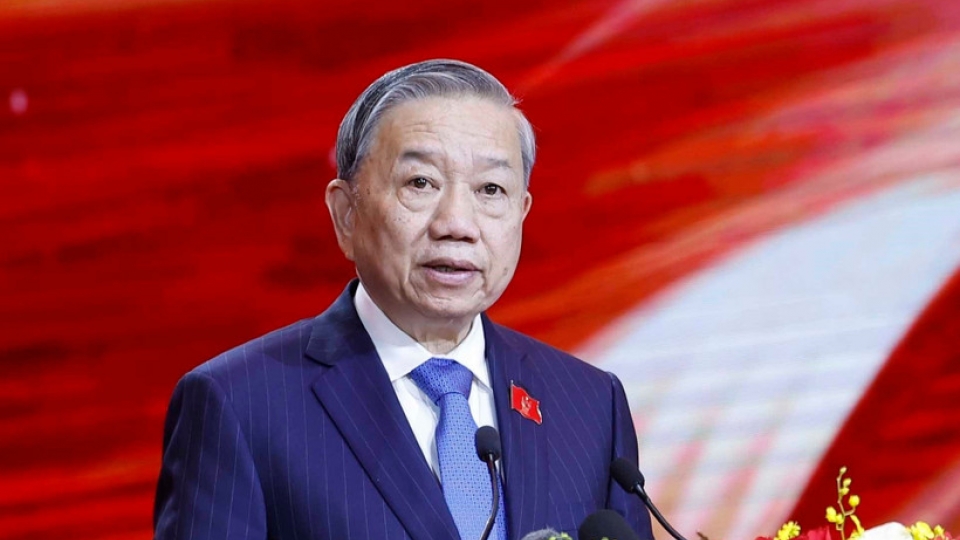
Vietnam forges ahead confidently into new era with wisdom, resilience: Party chief
Ahead of the New Year 2026, which marks the start of the 14th National Party Congress term, Party General Secretary To Lam has granted an interview to the Vietnam News Agency, affirming the country’s resolve to harness its intellect and fortitude as Vietnam moves confidently into a new era of development.