Top leader calls for integrated ecosystem for basic scientific research

VOV.VN - Party General Secretary and State President To Lam has called for the synchronised development of a national ecosystem for basic scientific research, emphasising that it should become a strategic foundation for Vietnam’s rapid and sustainable development.
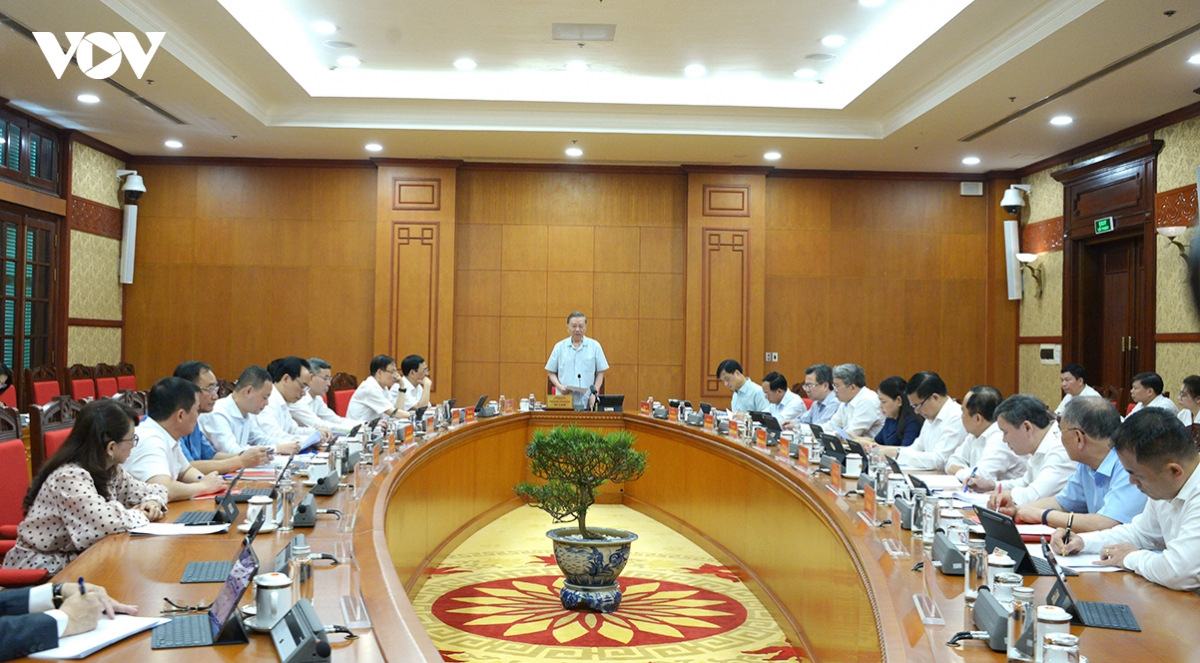
The statement was made during a working session between the Standing Board of the Central Steering Committee for Science, Technology, Innovation, and Digital Transformation and relevant agencies at the Party Central Committee headquarters in Hanoi on May 25.
The top leader stressed that the development of basic science is not only intended to solve immediate challenges but also to establish a long-term knowledge foundation capable of strengthening national strategic autonomy and enhancing Vietnam’s global standing.
According to the national development vision through 2030, Vietnam aims to remove bottlenecks in basic scientific research while gradually forming a relatively comprehensive national research ecosystem.
The strategy includes developing centers of excellence, strong research groups, large scientific databases, and shared research infrastructure capable of competing at the regional level.
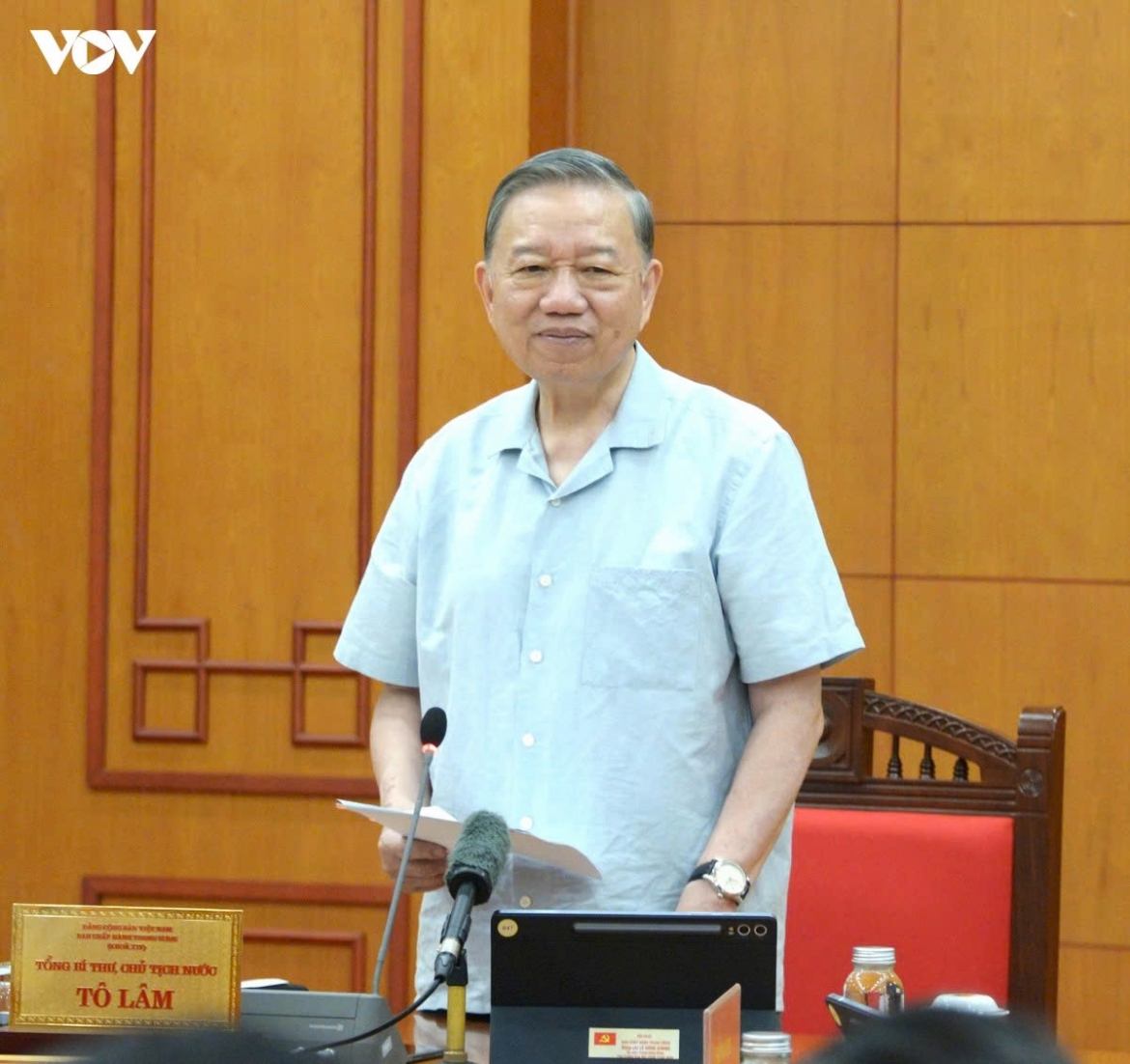
The Party General Secretary and State President underscored that basic scientific research must contribute to generating new knowledge, training elite human resources, and providing scientific foundations for policymaking and the development of strategic technologies.
He acknowledged that the country’s current basic science research system still faces limitations and has yet to fully meet the demands of the new development stage. He therefore highlighted the need for comprehensive reforms ranging from institutional thinking to investment mechanisms and scientific governance models.
A key focus will be shifting from administrative management to innovation-oriented governance, from pre-approval controls to post-evaluation systems, and from paperwork-based assessments to evaluations centred on research quality, long-term impact, and effectiveness.
The leadership also called for the creation of an honest academic environment that protects scientific freedom while ensuring responsibility toward science and national interests.
Research institutions are expected to accept scientific risks, reduce excessive administrative procedures, and increase autonomy for research teams, he said.
The top leader stressed that basic scientific research should not be viewed merely as an academic activity but rather as a strategic pillar of national development in the 21st century.
Investment in this field, he said, is essentially investment in Vietnam’s strategic autonomy, forecasting capacity, governance capabilities, and long-term competitiveness.
He added that basic science development must advance simultaneously across natural sciences, foundational technologies, social sciences, and humanities while also supporting national defence, security, and adaptation to global changes.
As part of the proposed solutions, the top leader called for the early development of a national strategy for basic scientific research through 2045, clearly identifying priority sectors, financial mechanisms, lead institutions, and implementation roadmaps.
He also proposed establishing a national basic research fund operating under competitive and transparent mechanisms with independent evaluations and long-term funding cycles ranging from five to fifteen years, alongside accepting scientific risks.
The leader further emphasised the need to prioritise investment in key laboratories, high-performance computing infrastructure, scientific databases, and digital libraries. According to him, data should be regarded as strategic infrastructure for basic scientific research in the era of artificial intelligence.

The General Secretary and State President also requested the creation of a national programme for scientific talent development, including early talent identification, elite training, doctoral and postdoctoral scholarships, and policies to attract international experts and overseas Vietnamese intellectuals.
At the same time, Vietnam plans to establish national standards for scientific integrity and mechanisms for commissioning research to support legislation, strategic planning, and policymaking.
Concluding the meeting, the leader reiterated the importance of building a modern, self-reliant, and internationally integrated ecosystem for basic scientific research capable of generating new knowledge and supporting the country’s sustainable development.
He held that all policy solutions must ensure consistency among institutions, resources, and implementation mechanisms with the long-term goal of developing a deep, competitive, and nationally impactful scientific research system for Vietnam.
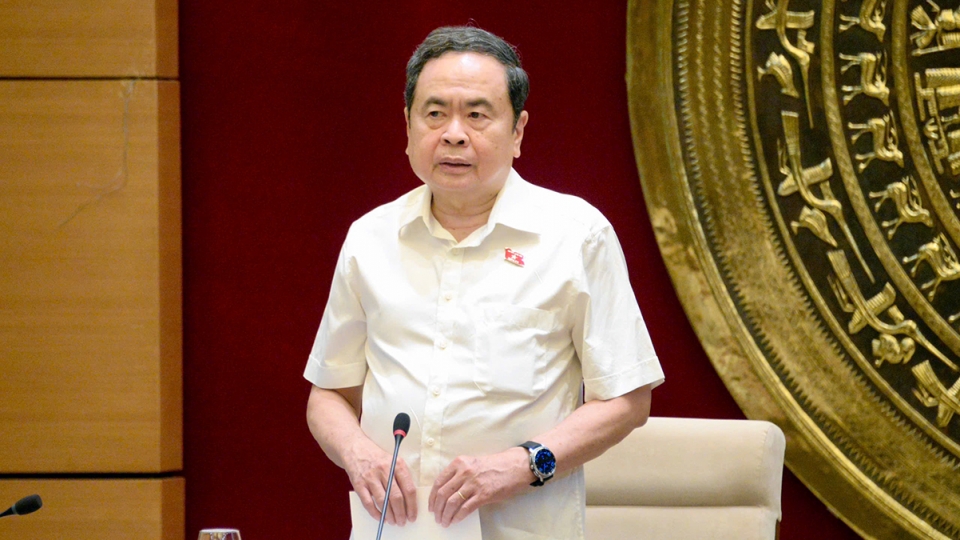
Science and technology development must not lag behind reality: NA Chairman
VOV.VN - National Assembly Chairman Tran Thanh Man has stressed that science and technology development, innovation, and digital transformation must move ahead of practical demands rather than lag behind them, describing the issue as a strategic requirement for Vietnam’s future growth.