Seven centrally run cities urged to drive national growth

VOV.VN - Vice President Vo Thi Anh Xuan has called on Vietnam’s seven centrally run cities to strengthen their role as the country’s leading growth engines by accelerating innovation, digital transformation, public investment and new development models.
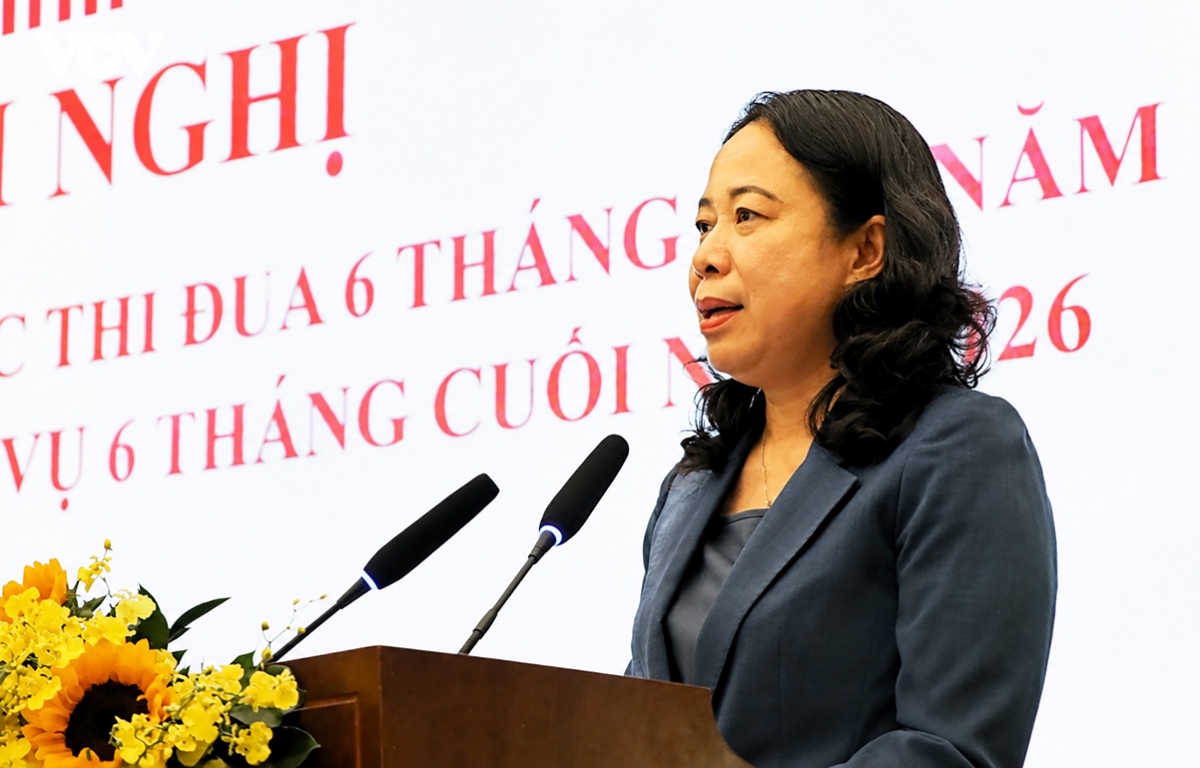
At a mid-year conference of the seven centrally run cities in Da Nang on August 7, Vice President Xuan said the country's largest urban centres should continue leading the implementation of the Party's major strategic resolutions while creating new development models capable of driving nationwide growth.
She recalled that recent administrative restructuring has enabled many localities to expand their development space, strengthen regional connectivity and improve governance.
According to the Vice President, local authorities have linked emulation campaigns with administrative reform, digital and green transformation, infrastructure development and key political tasks, producing positive results across multiple sectors.
However, she noted that economic performance was uneven among localities, with only Hai Phong achieving double-digit growth. Public investment disbursement has also lagged in some areas, while businesses continue to face difficulties and successful local initiatives have yet to be replicated more widely.
“I am confident that, building on their strong foundations and strategic role, Vietnam’s centrally run cities will continue pioneering new models and innovative approaches, successfully fulfil their 2026 objectives and make even greater contributions to the country's development and people's well-being,” she said.
Seven cities contribute more than half of GDP
According to the conference report, all seven centrally run cities recorded GRDP growth above the national average in the first half of 2026.
Hai Phong led with growth of 11.33%, followed by Dong Nai (9.81%), Da Nang (9.52%), Ho Chi Minh City (8.55%), Hue (8.33%), Hanoi (8.22%) and Can Tho (7.4-7.6%).
Together, the seven localities account for around 52.3% of Vietnam's GDP, attract about 42% of total foreign direct investment (FDI) and contribute more than 73% of state budget revenue.
They also continued posting positive results in trade, tourism, digital transformation and social welfare, reinforcing their role as the country's principal growth poles.
New cooperation framework adopted
At the conference, leaders of the seven cities approved updated operating regulations and signed a cooperation agreement for 2026.
Under the agreement, the cities pledged to strengthen cooperation in promoting economic growth, ensuring national defence and security, accelerating digital transformation, fostering innovation and speeding up public investment disbursement.
They also agreed to share successful policy experiences, replicate effective development models and improve transparency in evaluating local performance under Vietnam’s ongoing decentralisation and urban governance reforms.
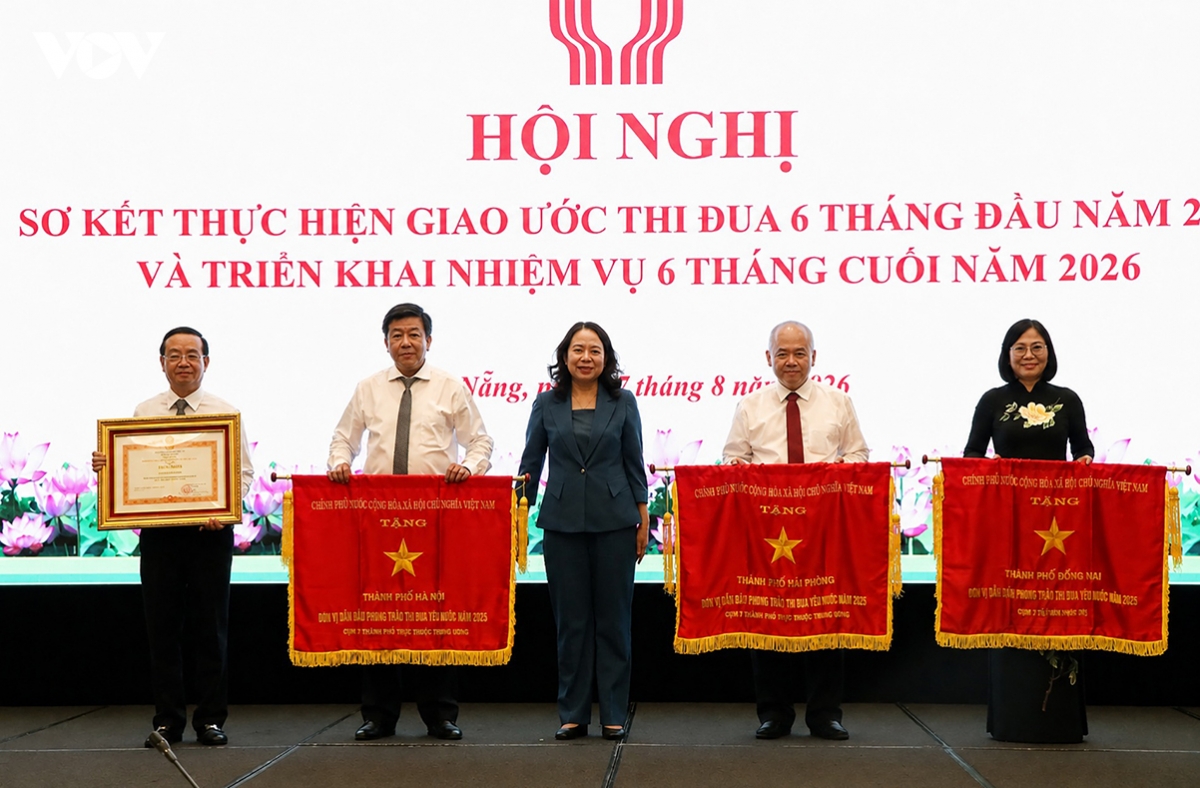
On the occasion, Vice President Vo Thi Anh Xuan, on behalf of the Prime Minister, presented the Government's Emulation Flags to the People's Committees of Hanoi, Hai Phong and Dong Nai. She also awarded the Prime Minister's Certificates of Merit to the People's Committee of Ho Chi Minh City for its outstanding achievements in the 2025 emulation movement.
Emulation, commendation movements must be tied to concrete targets, tasks: PM
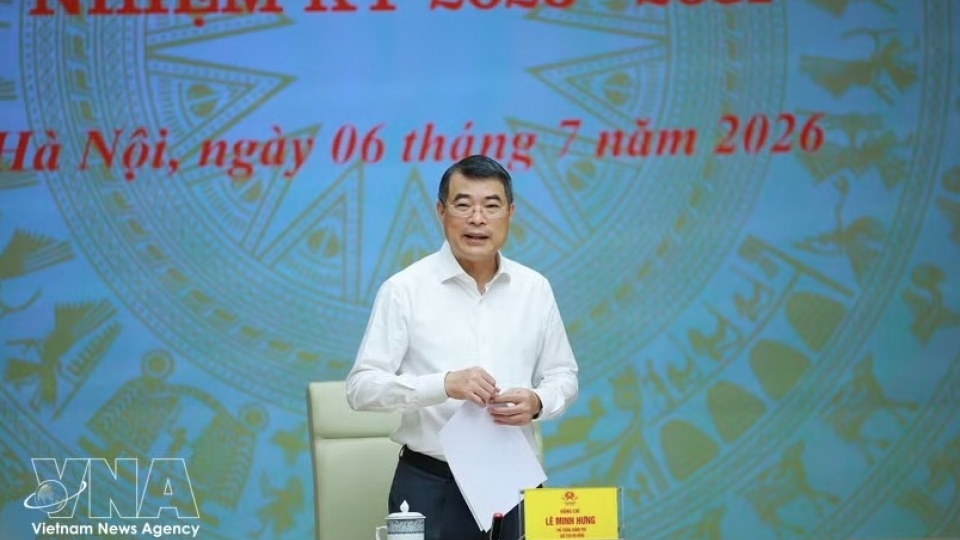
Prime Minister Le Minh Hung, Chairman of the Central Council for Emulation and Commendation, chaired the council’s second meeting for the 2026–2031 term at the Government headquarters in Hanoi on July 6.