PM suggests developing long-term rental housing model in Vietnam

VOV.VN - Prime Minister Le Minh Hung has directed the Ministry of Construction to coordinate with Hanoi authorities to study and develop a long-term rental housing model, positioning it as a key solution to meet real housing demand and ease pressure on the capital’s real estate market.
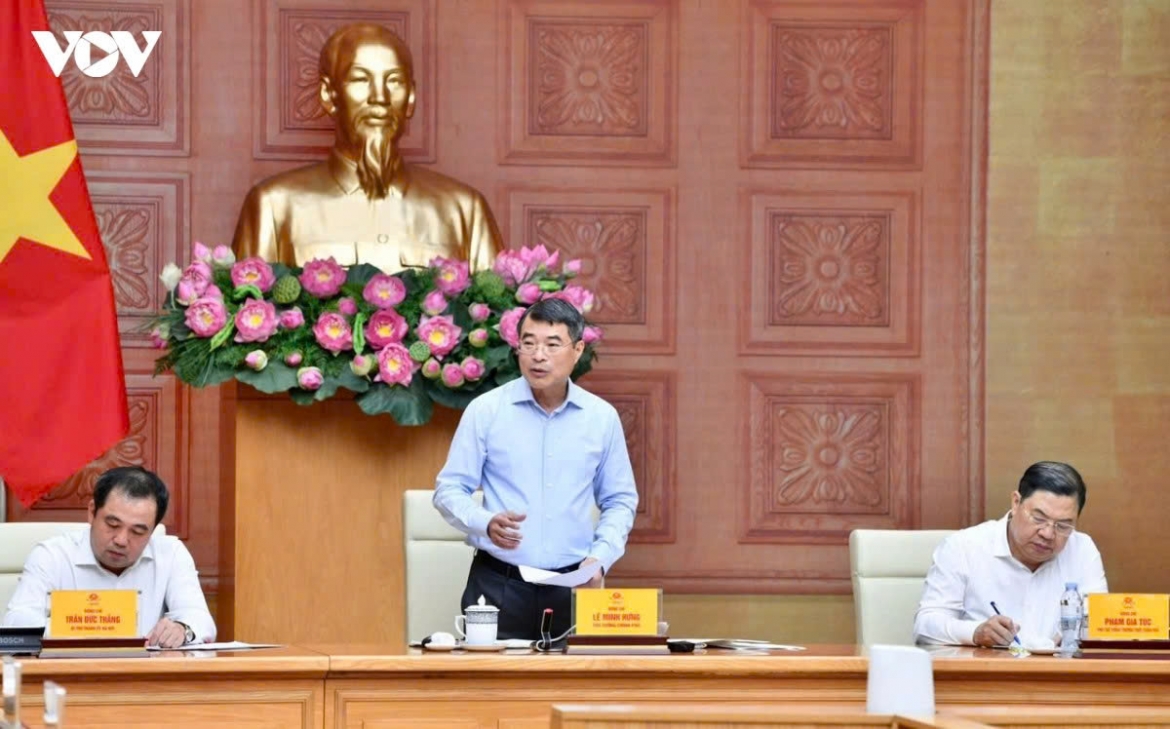
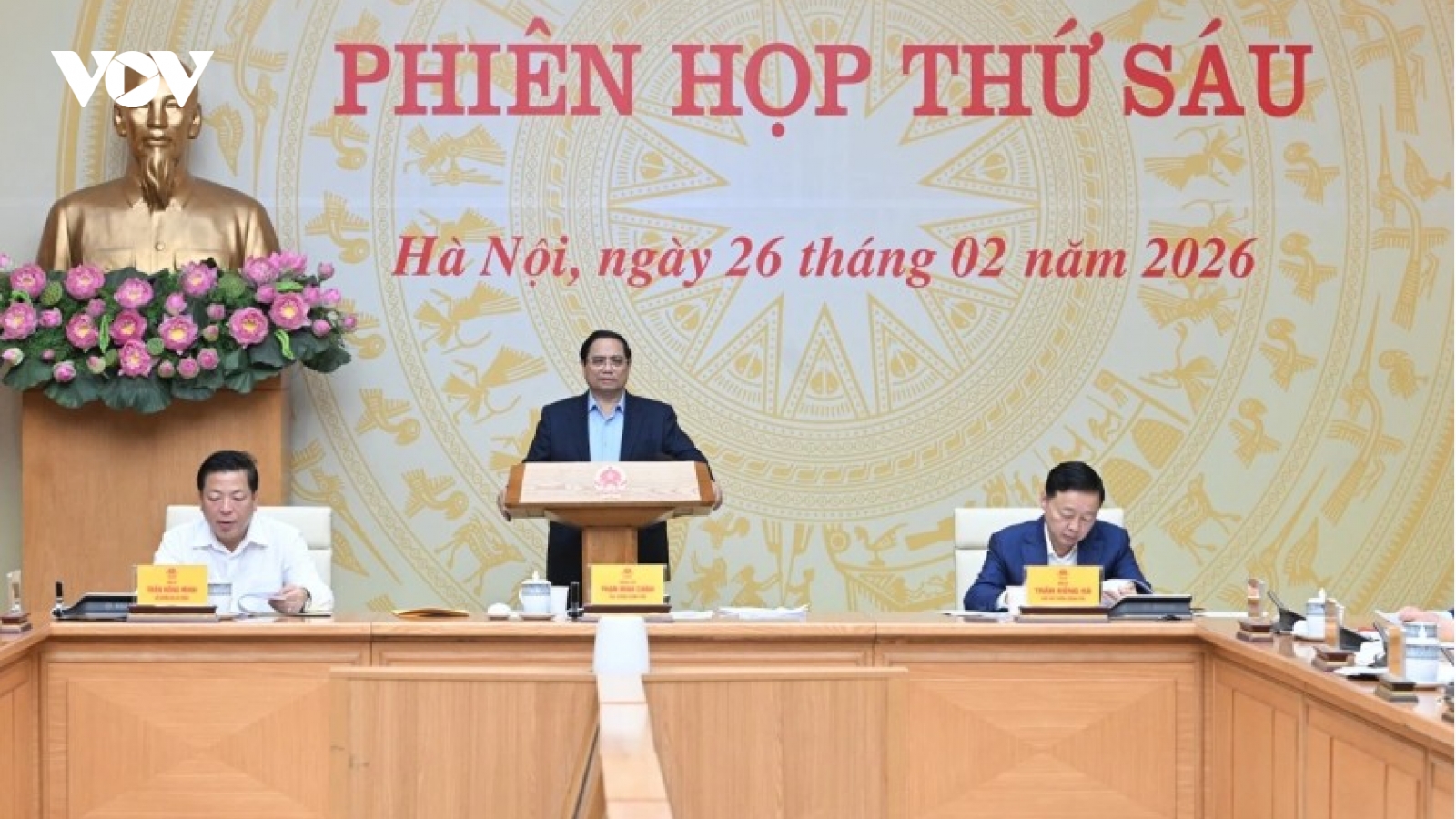
The instruction was made at a meeting on May 25 with the Hanoi People’s Committee and relevant ministries on rental housing development, where the Prime Minister emphasised the need to promote long-term rental housing as a structural response to urban housing challenges.
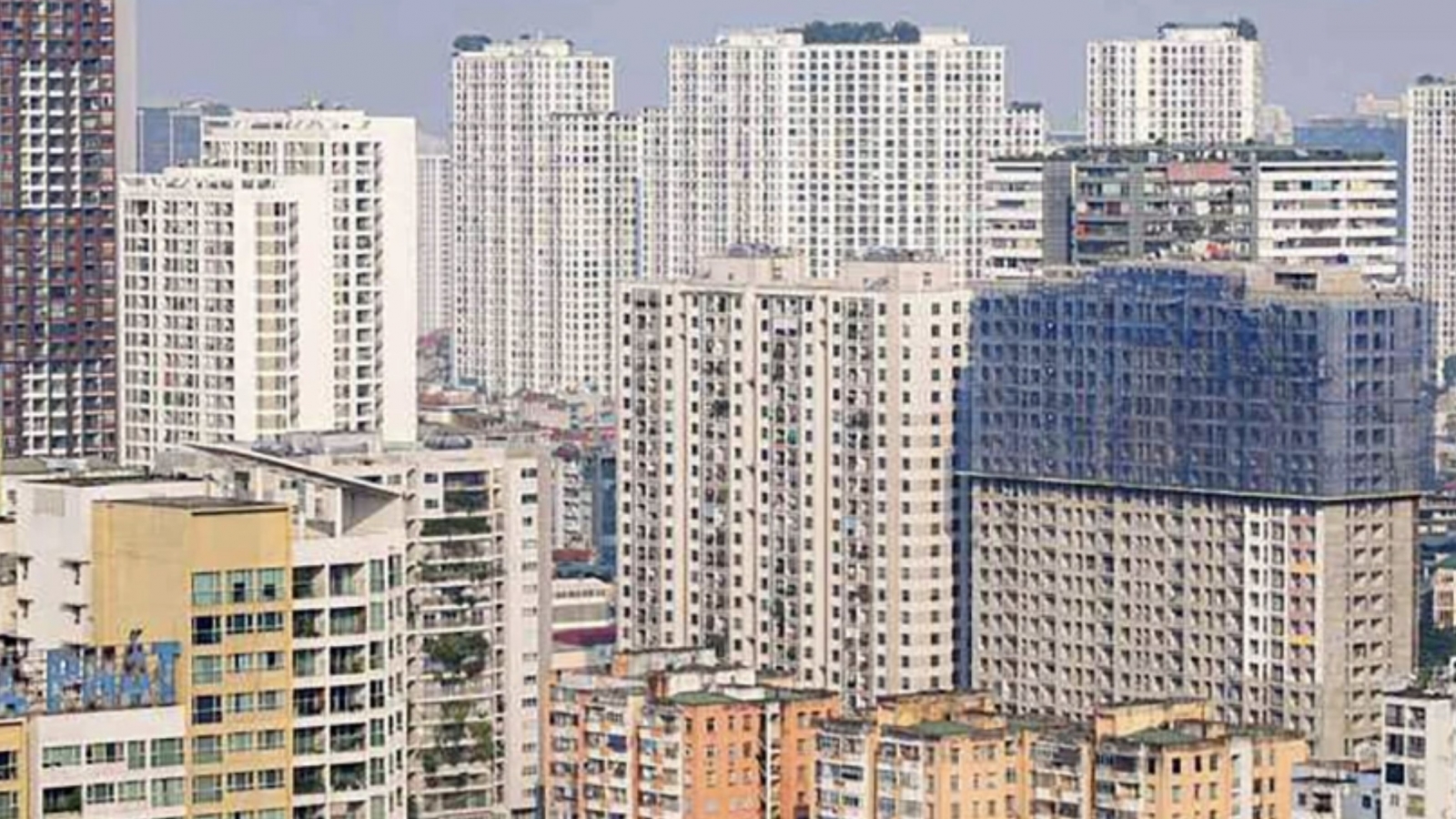
He noted that while Vietnam has achieved certain progress in developing social housing and rental housing, the market remains imbalanced, with a strong focus on home ownership. Meanwhile, demand for long-term rental housing among workers, industrial labourers, students, civil servants and armed forces personnel continues to rise significantly.
The Prime Minister urged Hanoi to review urban planning and allocate a defined share of commercial housing projects to long-term rental housing development. The Ministry of Construction was tasked with coordinating the development of standards, regulations and pricing mechanisms for this housing segment.
Under the proposed framework, long-term rental housing is designed to provide stable accommodation without requiring ownership. The State may participate in developing housing stock without land-use fees, while rental prices would be calculated based on construction, operation and maintenance costs.
The Prime Minister pointed out that if citizens are ensured stable rental housing for 15–20 years at reasonable prices, pressure on home purchases would significantly decrease, helping to rebalance Hanoi’s property market.
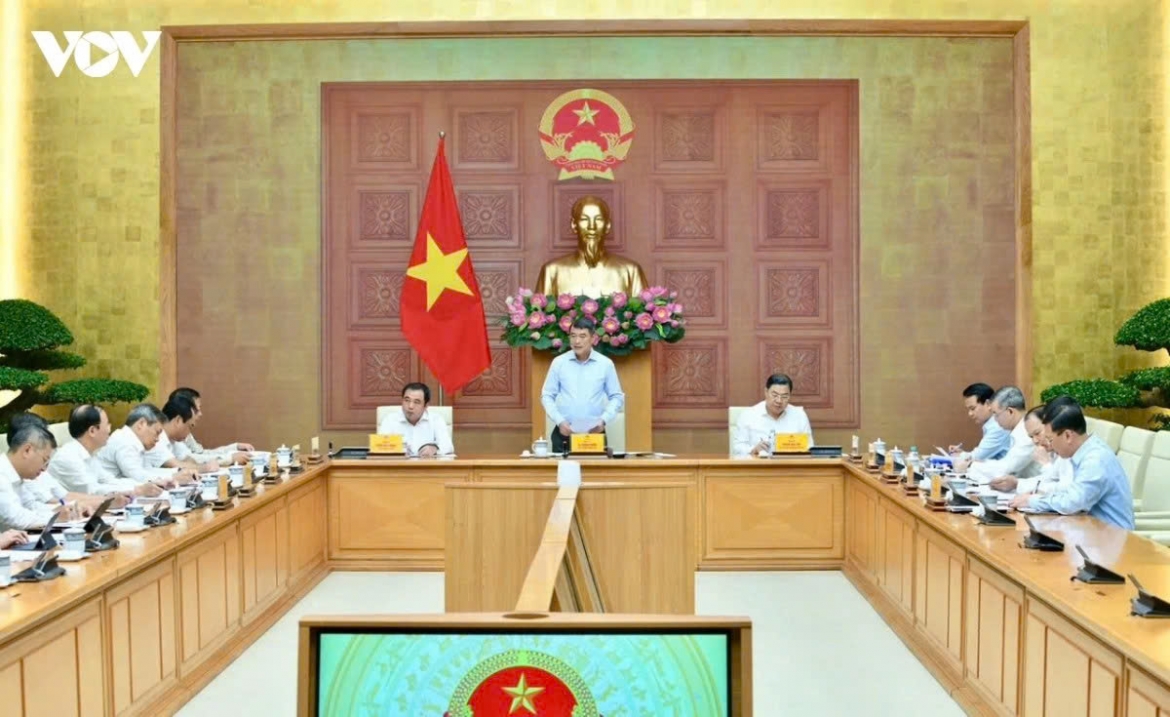
He also requested a comprehensive assessment of rental housing demand by population groups and market segments, alongside legal improvements to the Housing Law and Real Estate Business Law to better support long-term rental housing development.
In addition to state resources, the Prime Minister called for mechanisms to mobilise private capital and long-term financial funding to develop the rental housing market, avoiding overreliance on public funding.
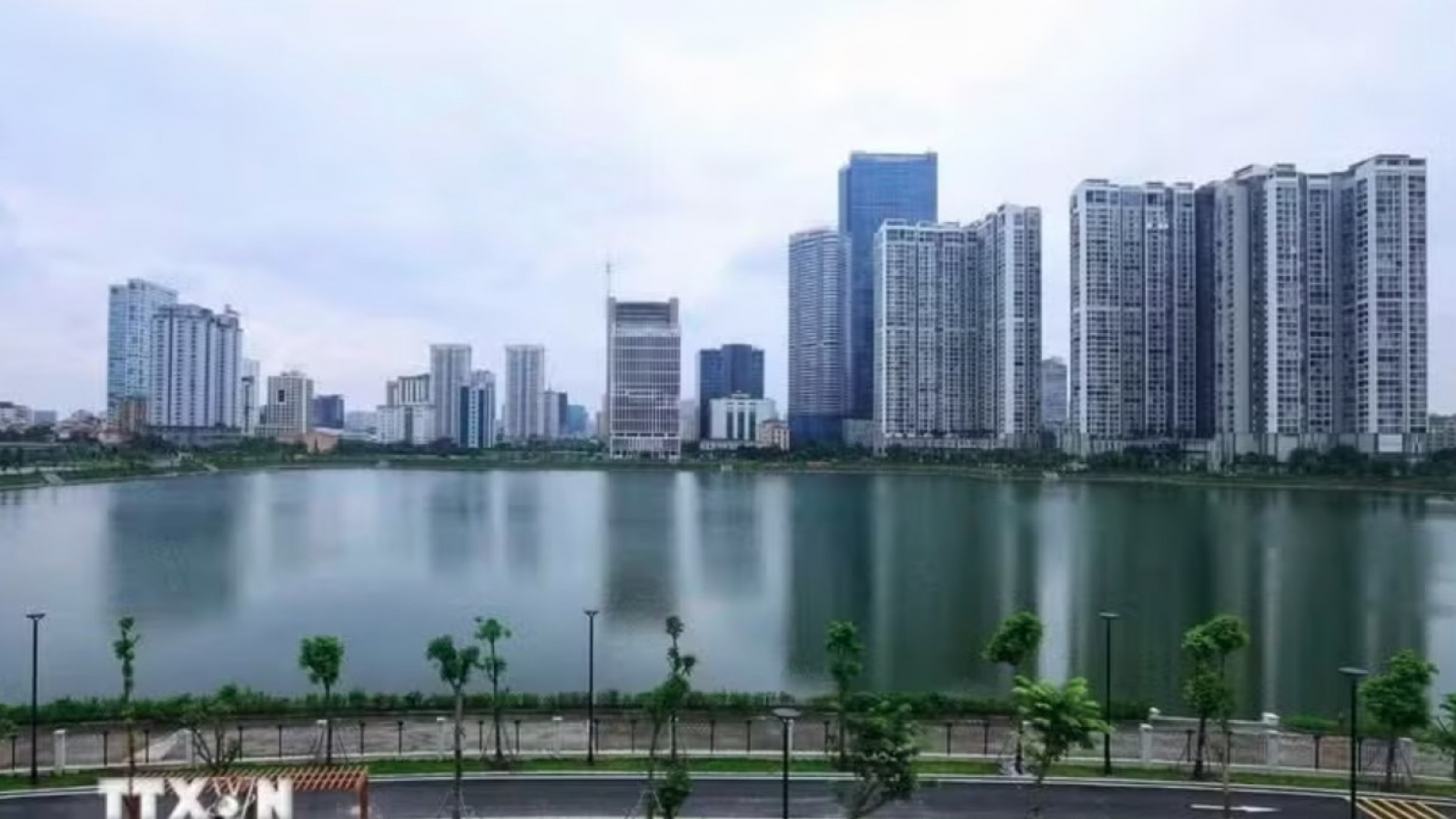
According to the Hanoi People’s Committee, the city currently has 14,351 rental housing units, accounting for around 33% of total social housing supply. Hanoi has been assigned a target of more than 560,000 social housing units, of which approximately 156,000 units have been completed.
Housing policy must shift to long-term, people-centred vision: top leader
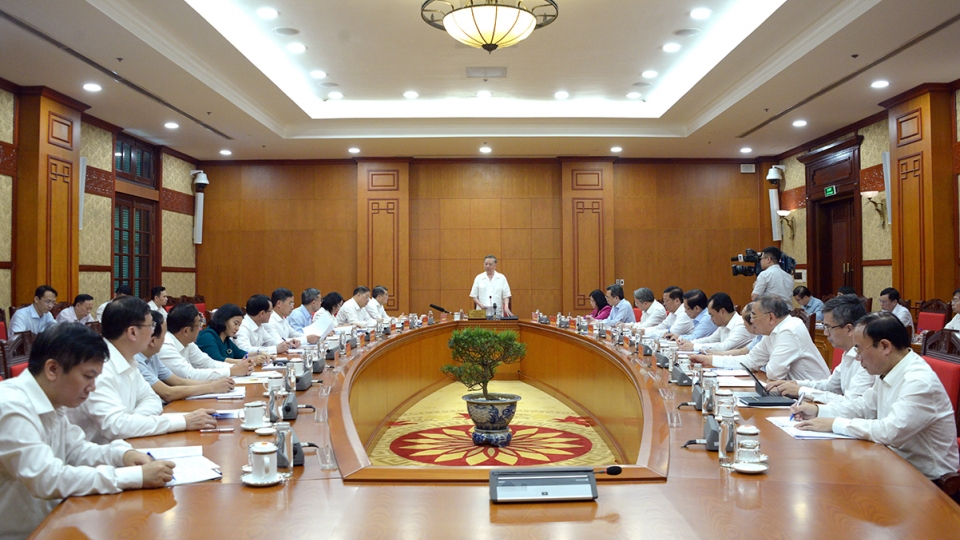
VOV.VN - Vietnam’s housing policy needs to move beyond short-term solutions toward a long-term development strategy that places people’s right to housing at its core, General Secretary and State President To Lam said on May 19.