PM orders faster rollout of free textbooks, exam prep, digitalisation

VOV.VN - Prime Minister Le Minh Hung has pressed ahead with accelerated efforts to provide free school textbooks, ensure full preparation for the 2026 national high school graduation exam, and advance digital transformation across the education sector.
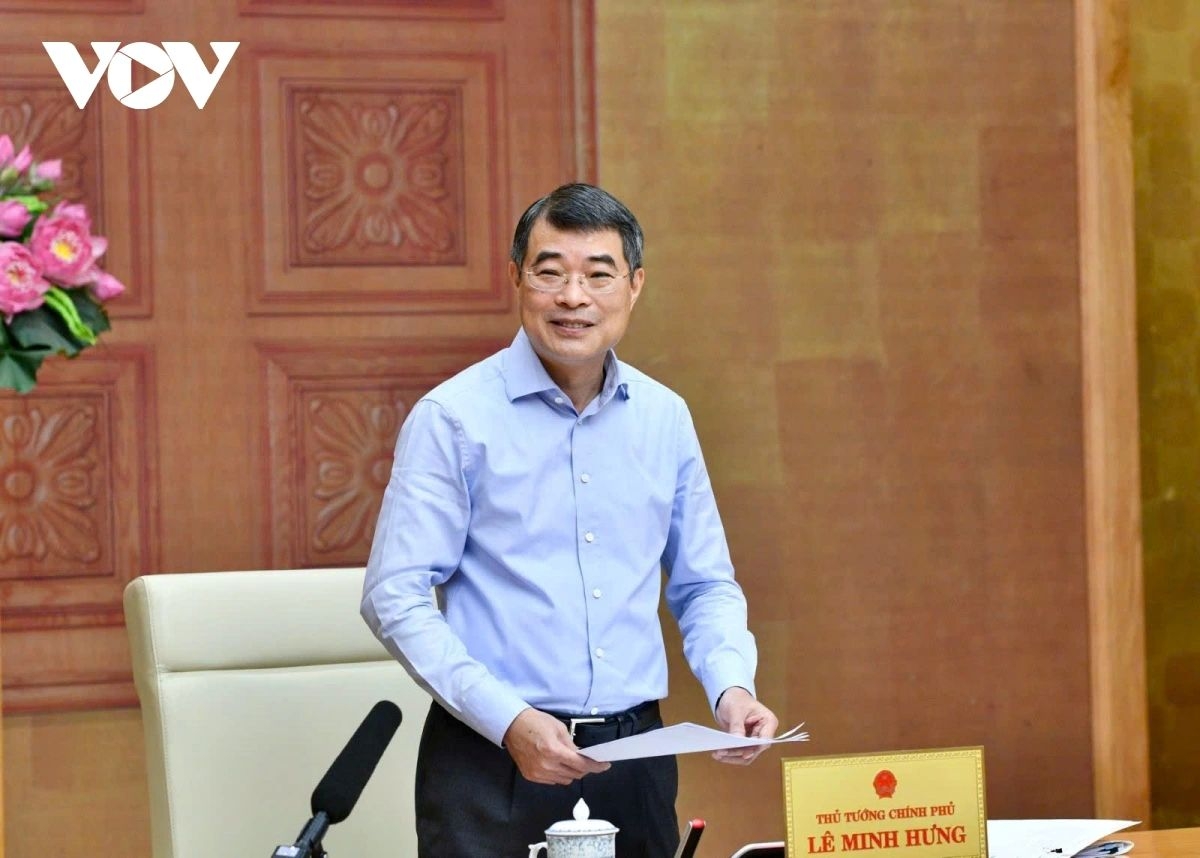
Chairing a working session with the Ministry of Education and Training (MoET) in Hanoi on April 25, the Prime Minister emphasised the sector’s critical role in socio-economic development, particularly in improving labour productivity, human resource quality, and overall growth.
While acknowledging recent achievements, he pointed to persistent challenges, including slow reform progress, localised teacher shortages, uneven infrastructure, disparities in education quality among regions, and bottlenecks in digital transformation.
He urged the ministry to focus on key breakthrough and urgent tasks. A priority is finalising a decree on free general education textbooks, ensuring sufficient and standardised textbooks nationwide from the 2026–2027 academic year. He also called for studying a roadmap toward free teaching materials in selected fields.
The Prime Minister stressed the need to fully prepare for the coming 2026 high school graduation exam to make it safe, transparent, rigorous, and effective. He also highlighted the importance of enhancing foreign language education, with a long-term goal of making English a second language in school.
For higher education and vocational training, he underscored the need to improve training quality in line with labour market demand and prioritise emerging technology fields such as artificial intelligence, semiconductor microchips, and cloud computing. He emphasised stronger linkages among the state, educational institutions, and businesses in developing high-quality human resources, particularly in strategic technology sectors.
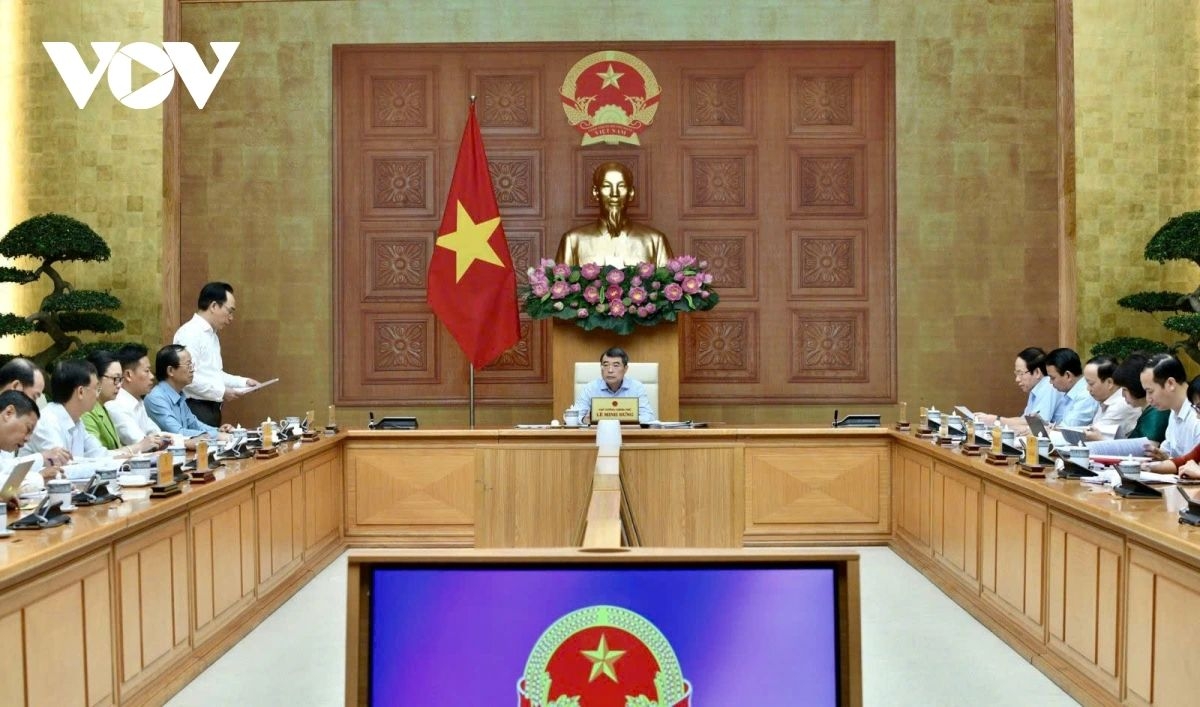
Another key priority is accelerating digital transformation in education. The ministry was tasked with expediting the development of a national education database, establishing a unified data architecture framework, digitising administrative procedures, and enhancing data connectivity and sharing across management levels.
The Prime Minister also urged faster implementation of institutional reforms, including policies on university autonomy, financial mechanisms in vocational education, a national scholarship fund, and the national qualifications framework. He requested continued review and restructuring of the public education network to improve operational efficiency.
On urgent tasks, the ministry was instructed to promptly draft and submit key decrees and proposals, ensuring timely implementation in 2026 of major policies such as free textbooks, administrative reform, and the development of a digital education system.
Concluding the meeting, the Prime Minister called on the education sector to act more proactively and decisively, remove bottlenecks, and improve policy execution to meet development goals in the new phase.
Vietnam joins APAIE for first time with national education pavilion
VOV.VN - Vietnam will officially take part for the first time in the Asia-Pacific Association for International Education (APAIE) Conference and Exhibition, hosting a Vietnam Pavilion at the event.