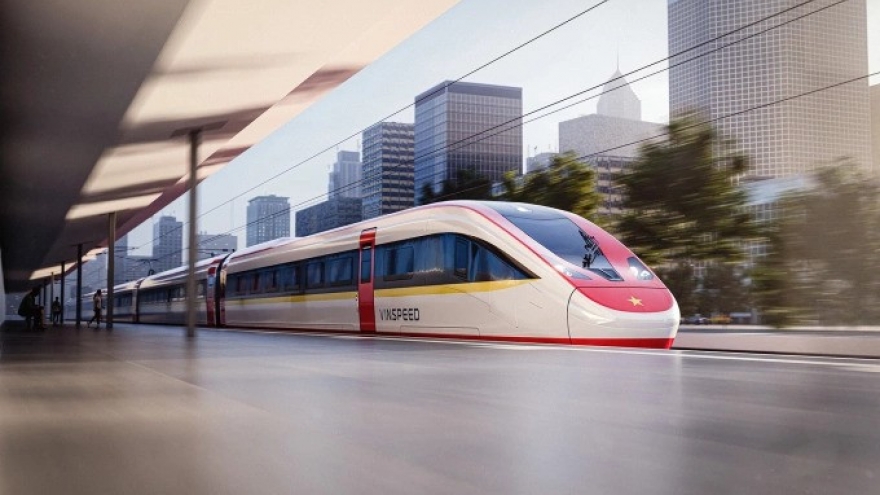
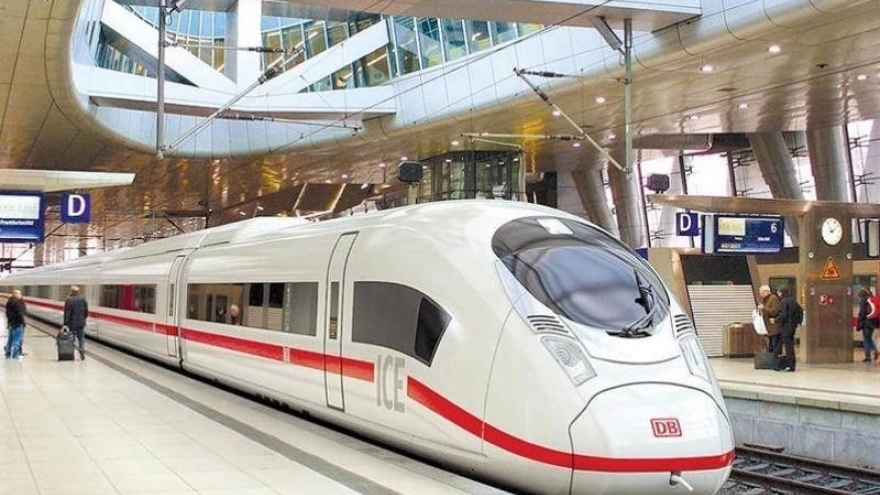
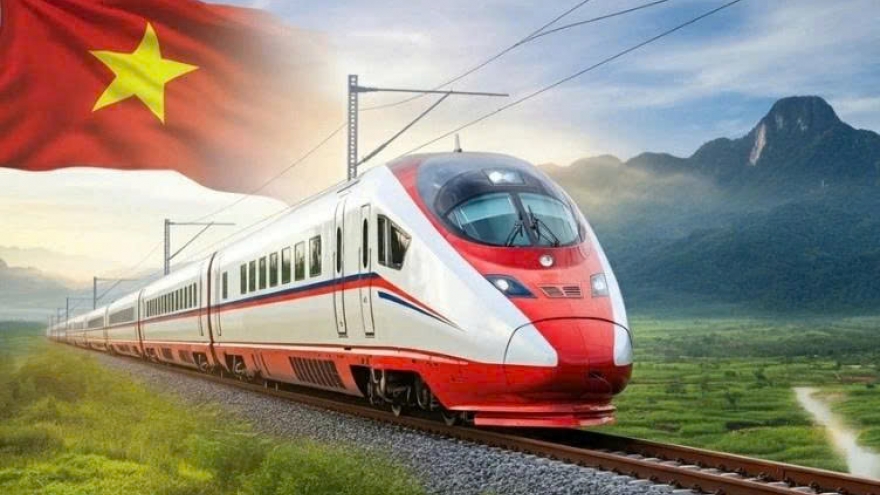
PM orders decision on North–South high-speed rail investment model in Jan. 2026

VOV.VN - Prime Minister Pham Minh Chinh has ordered the construction sector to finalise the investment model for the North–South high-speed railway by January 2026, describing it as a strategic project critical to the country’s long-term development.

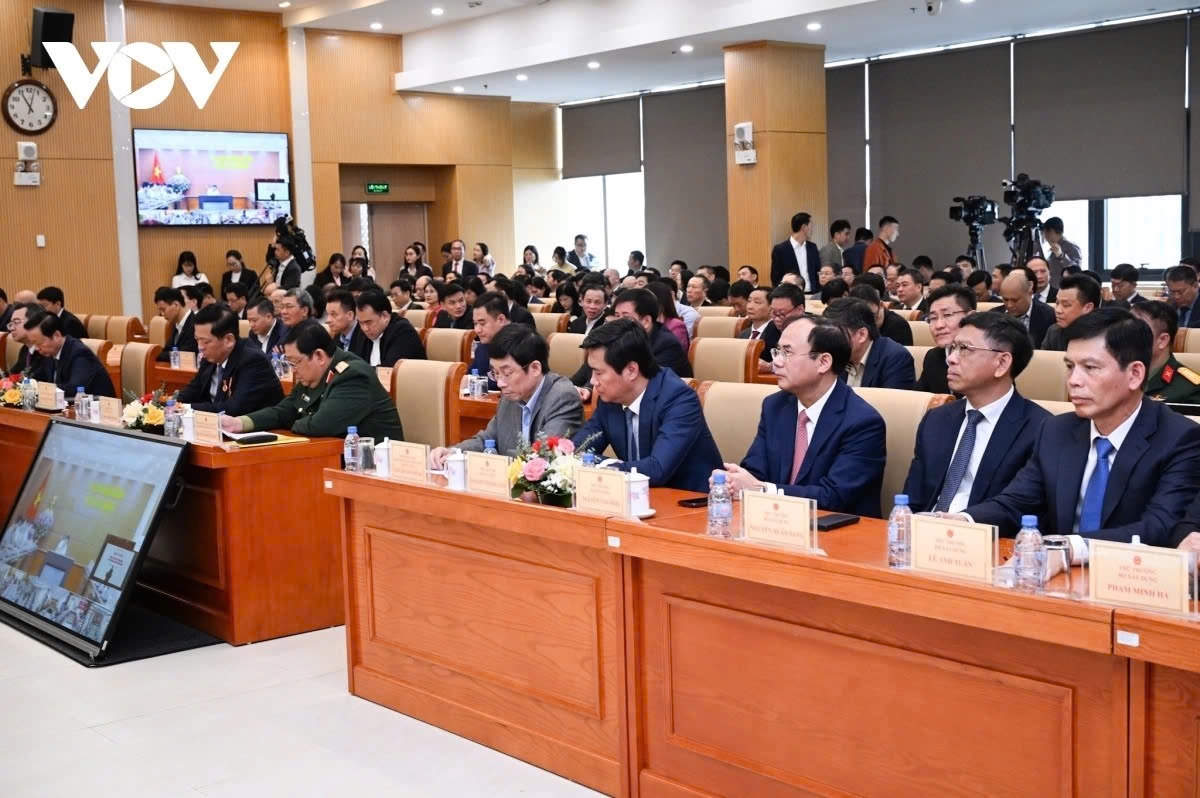
Speaking at a national conference reviewing the Ministry of Construction’s performance in 2025 and outlining priorities for 2026 on December 20, the Prime Minister stressed that Vietnam must move decisively from planning to implementation, beginning with the urgent selection of an investment approach for the flagship railway project.
He called for an immediate review of technical standards, regulations and readiness conditions by the end of December, paving the way for investor mobilization and technology selection based on clearly defined national standards.
“Infrastructure must go one step ahead,” said the Prime Minister, emphasising that standards and regulations should lead technology choices, not the other way around. He underlined that choosing the right investment model for the high-speed rail line is essential to effectively implement resolutions adopted by the Politburo, the National Assembly and the Government.
The Government leader described the North–South high-speed railway as a project of strategic significance, not only for transport efficiency but also for unlocking new development corridors, enhancing national competitiveness and ensuring long-term, sustainable growth.
Beyond the railway project, Prime Minister Chinh noted that 2025 was the first year the Ministry of Construction operated under a newly restructured organisational model, following a merger between the Ministry of Construction and the Ministry of Transport that significantly expanded its responsibilities. Despite the heavier workload, the sector delivered major results in national infrastructure development.
Vietnam achieved continuous expressway connectivity across the country, made significant progress toward a nationwide expressway network exceeding 3,800 kilometers, and advanced key national highways and coastal roads. The country also welcomed its first flights at Long Thanh International Airport in December 2025, marking a milestone in aviation infrastructure.
Private-sector participation in infrastructure development reached an estimated VND3.84 quadrillion, while social housing construction exceeded annual targets, with more than 102,000 units completed nationwide.
Looking to 2026, the Prime Minister said Vietnam is targeting double-digit economic growth, requiring the construction sector itself to achieve double-digit expansion, driven primarily by green growth and digital transformation.
To meet this goal, he outlined five core assurances: an open and enabling institutional framework; seamless infrastructure connectivity; smart governance; practical and adaptable implementation methods; and effective, trust-based cooperation among stakeholders.
He also called for six key breakthroughs, including innovative thinking and long-term vision, stronger resource mobilisation for national megaprojects, accelerated application of science and technology, rapid expansion of social housing toward the target of one million units by 2028, more integrated transport systems, and decisive action to address persistent bottlenecks such as slow public investment disbursement and inefficiencies in public–private partnerships.
Prime Minister Pham Minh Chinh praised engineers, workers and construction crews nationwide for their round-the-clock efforts, as well as local communities who have relocated or given up land to support major infrastructure projects.
He expressed confidence that, with determination and unity, the Ministry of Construction would successfully implement its 2026 agenda and play a pivotal role in Vietnam’s long-term modernisation.
During the conference, the Prime Minister awarded high-level state honours to Minister of Construction Tran Hong Minh and several ministry officials, and officially launched new information technology systems to support the sector’s digital transformation.
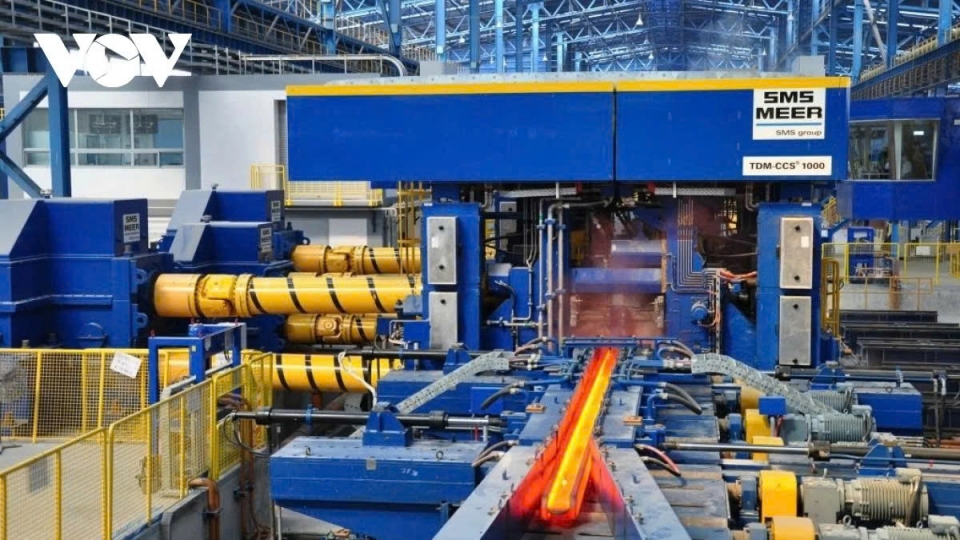
Hoa Phat Group invests US$410 mln in high-speed rail track plant
VOV.VN - Vietnam’s Hoa Phat Group on December 19 broke ground on a more than VND10 trillion (US$410 million) plant to produce high-speed rail tracks and special steel products, marking a major step toward domestic production of materials for the country’s planned rail infrastructure projects.