Law on State of Emergency sails through National Assembly

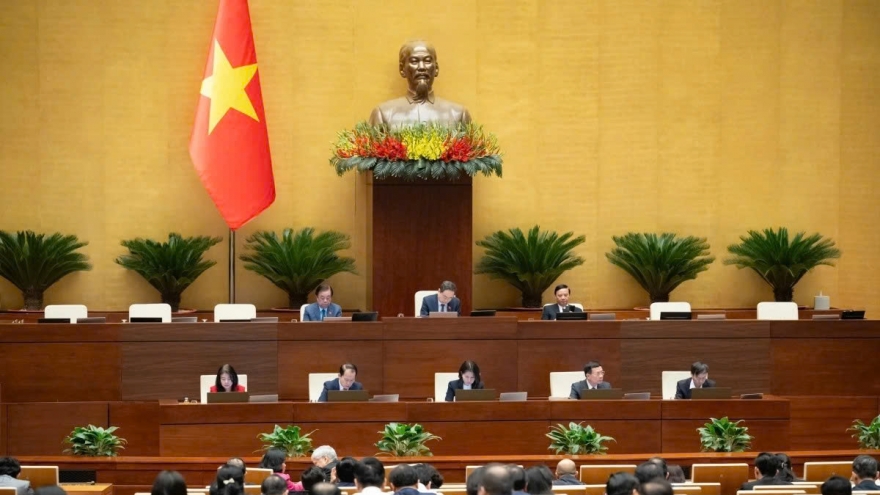
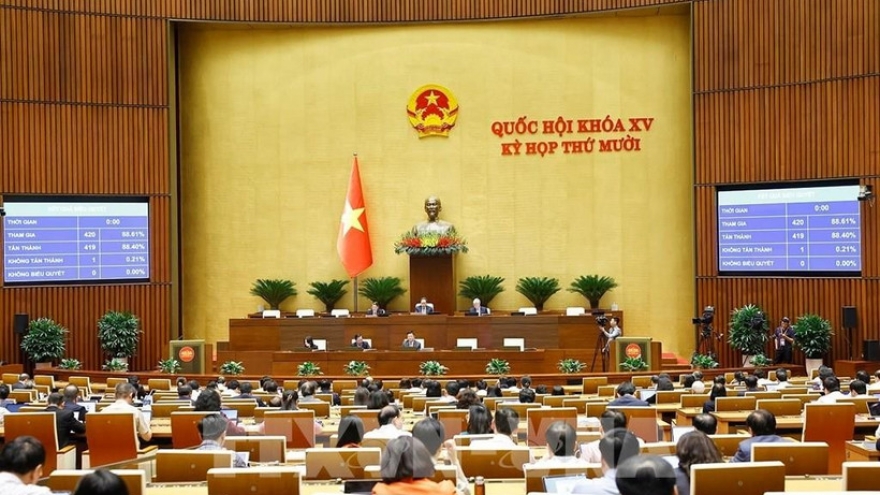
VOV.VN - With a majority of votes in favour, the National Assembly passed the Law on the State of Emergency at its ongoing year-end session in Hanoi on December 3.
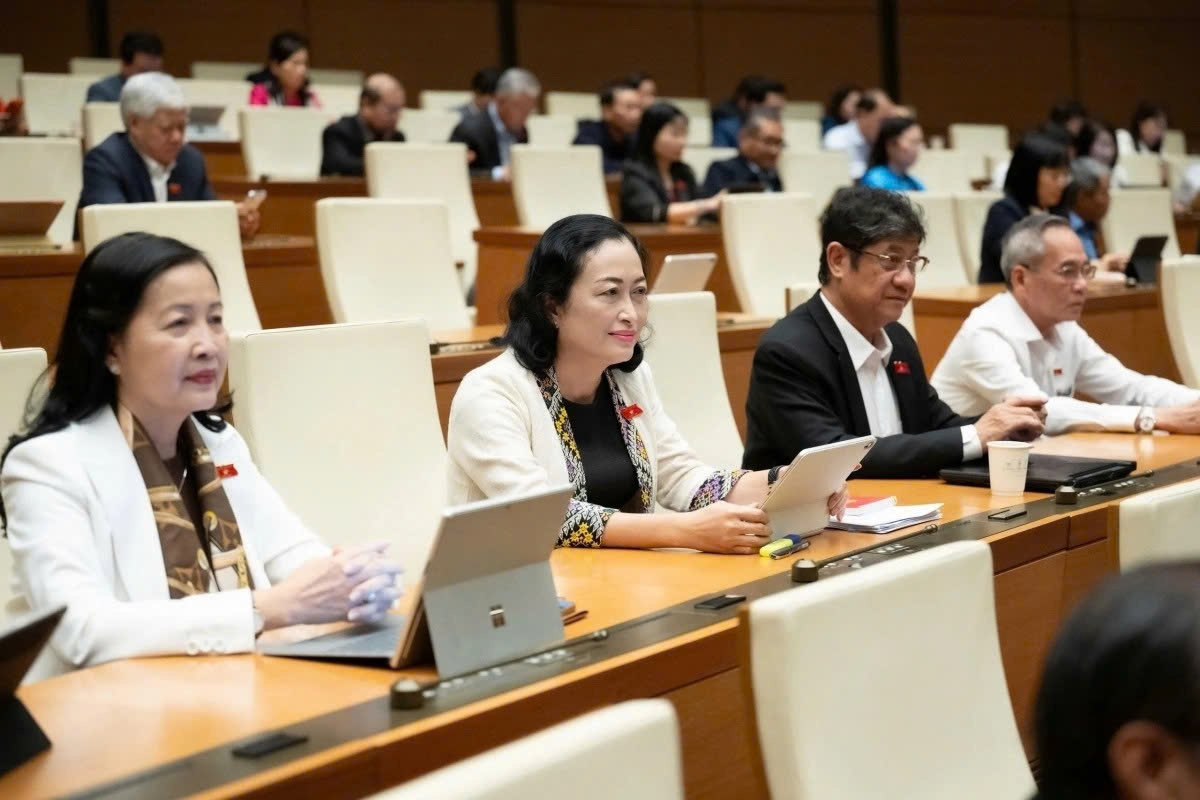
The approval received the support of 419 out of 420 deputies present at the plenary session.
The law, consisting of six chapters and 36 articles, will take effect from 1 July 2026, replacing the previous Ordinance on the State of Emergency.
Legislation defines an emergency situation as an event in which one or more localities face a major disaster that threatens or causes serious damage to state property, organisations, citizens’ lives, health, or property, as well as national defence, security, and social order. Competent authorities may declare an emergency and impose special measures to prevent, mitigate, and promptly stabilise the situation.
The law emphasises that the application, adjustment, and termination of emergency measures must be timely, public, and transparent. Any restrictions on human and civil rights must be necessary, proportionate to the nature and scale of the incident or disaster, based on clear grounds, and applied without discrimination. Decisions causing losses during emergency response are exempt from liability if made in good faith, based on available information, within authority, and without personal gain.
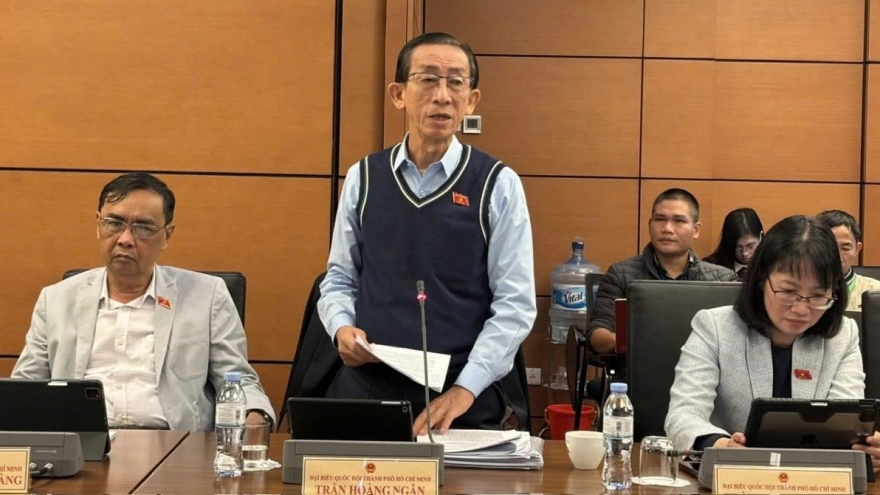
During the October 27 parliamentary session, lawmakers suggested adding provisions on post-disaster recovery to ensure sustainable development and strengthen disaster prevention, including land-use planning for high-risk areas, investment in protective infrastructure, enhanced early warning systems, and public awareness programmes.
In response, Le Tan Toi, Chairman of the National Assembly’s Committee for Defence, Security, and External Relations, explained that Articles 16 to 20 already cover emergency relief, post-disaster recovery, resource mobilisation, and support policies. Post-disaster reconstruction for sustainable development falls under the scope of other relevant laws. Based on deputies’ feedback, the Committee refined the draft, separating certain provisions for clarity and ensuring consistency throughout the text.
Regarding information management during emergencies, the lawmakers recommended clarifying local authorities’ responsibility to receive, compile, and publicly share reports from citizens and businesses while maintaining communication channels. Currently, the nationwide hotline 112 serves this function, with provincial Military Command units acting as standing agencies to manage, operate, and respond to requests for assistance. The Committee updated the relevant clauses in the law to ensure alignment with emergency response, relief, and communication requirements.
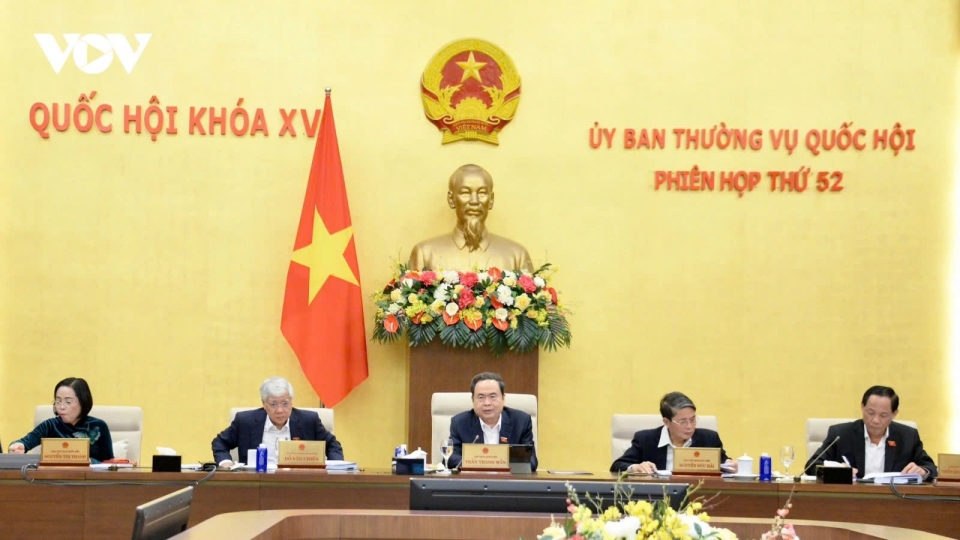
Key lawmakers endorse amendments to Environmental Police Ordinance
VOV.VN - The Standing Committee of the National Assembly reviewed and adopted amendments and supplements to several articles of the Environmental Police Ordinance at a meeting in Hanoi on December 3.