




Four decades of Doi Moi highlight institutional reform as key to future development

VOV.VN - As Vietnam marks 40 years of Doi Moi (Renewal), further institutional reforms, more effective national governance and the mobilisation of development resources are seen as key to unlocking new growth potential, experts said.
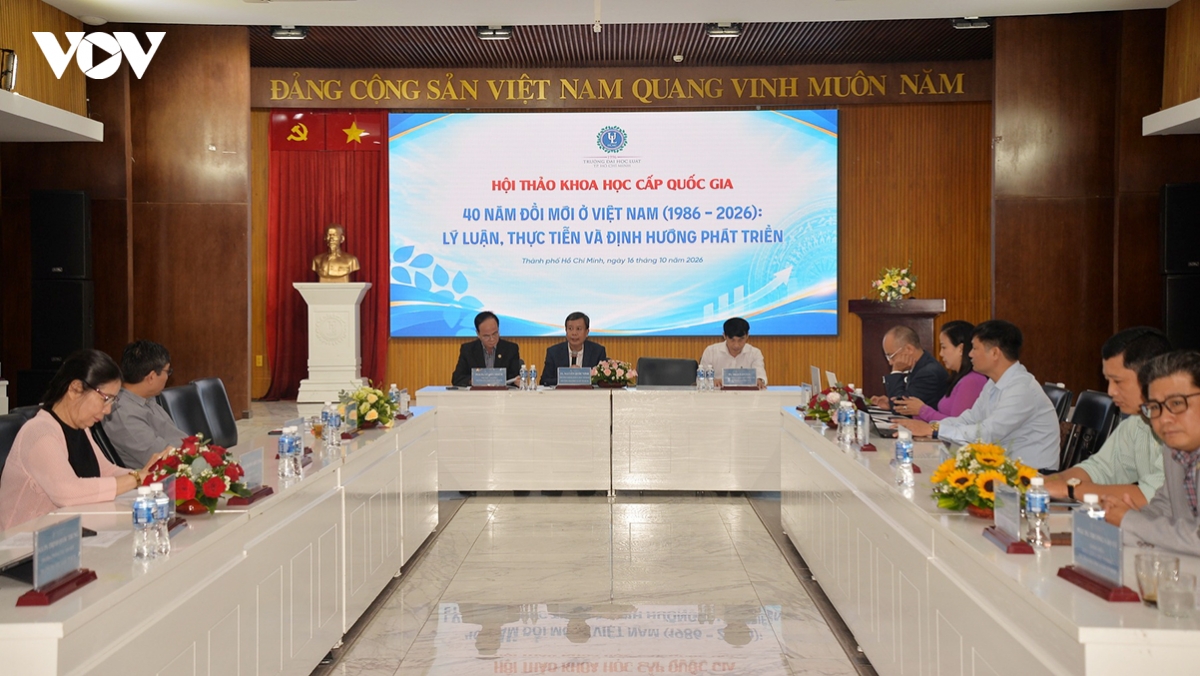
The experts also highlighted the need to renew development thinking, remove institutional bottlenecks and ensure that policies and laws translate into practical results.
These issues were discussed at a national symposium held by Ho Chi Minh City University of Law on October 16, marking four decades of Doi Moi from 1986 to 2026. The event featured 66 papers by researchers and experts from more than 50 institutions and organisations nationwide.
From renewed thinking to a new development model
In his opening remarks, Associate Professor Dr. Vu Van Nhiem, vice rector of Ho Chi Minh City University of Law, said that reviewing the Doi Moi process should be grounded in scientific analysis, objectivity and practical experience. Such an assessment would help translate development orientations into feasible policies and laws.
He noted that Doi Moi should be examined from multiple perspectives, including economics, politics, history and the social sciences. In the next stage of development, greater attention should be paid to science and technology, innovation, artificial intelligence and labour productivity.
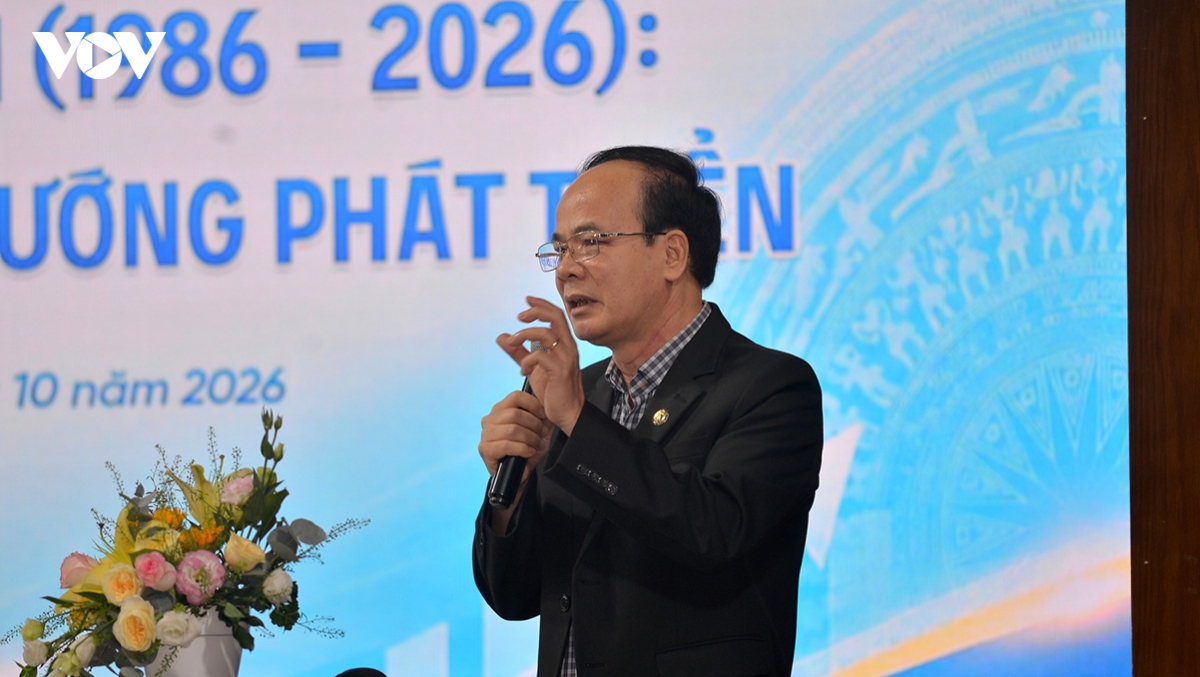
“Ultimately, people are both the goal and the driving force of the development of nations and states. The state and the law are instruments to serve that purpose. Our Party and State have consistently regarded people as both the goal and the driving force of development,” he said.
Looking back at the period before the Communist Party of Vietnam’s sixth National Congress in 1986, researchers noted that the launch of Doi Moi was the culmination of a process of policy experimentation and shifts in economic thinking. Between 1979 and 1986, a series of measures to remove barriers to production, improve circulation and distribution, and reform economic accounting laid the groundwork for the transition from a centrally planned system towards a market economy.
Dr Tran Van Luc of Hue University’s University of Teachers’ Training explained that Vietnam’s economic reforms took shape through a series of breakthroughs, beginning with efforts to remove barriers to production and bring market mechanisms into the planning process. This was followed by reforms to economic management, including the removal of price, wage and monetary subsidies and the introduction of business accounting.
These initial changes paved the way for broader reforms to economic structures, the development of a multi-sector economy and more effective management mechanisms, laying the foundation for the comprehensive economic reform policy adopted at the Sixth National Congress.
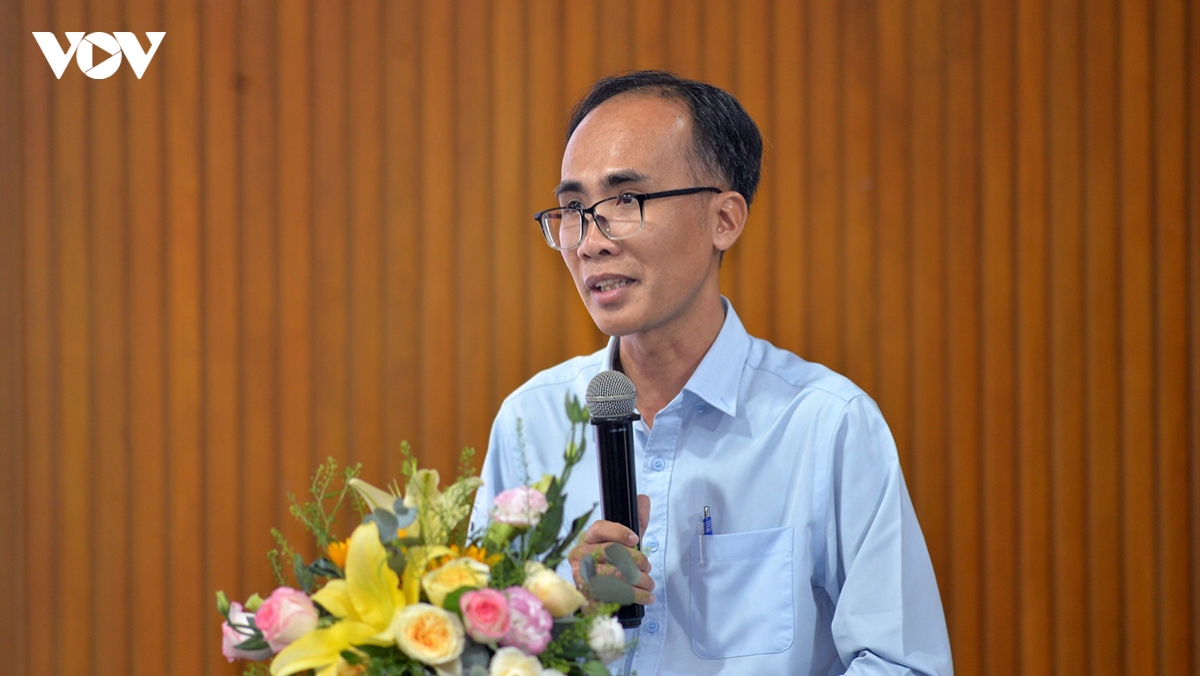
Taking a longer-term view, Dr Duong Thanh Thong of the University of Social Sciences and Humanities under Vietnam National University Ho Chi Minh City highlighted the evolution of Vietnam’s development thinking. Having initially prioritised economic growth, poverty reduction and international integration, the country has gradually moved towards a more sustainable approach that seeks to balance economic performance, environmental protection and social equity.
“Growth generates resources, but sustainability determines whether the gains of the national economy can be maintained and distributed. If growth is pursued without sufficient attention to development and distribution, inequalities between social groups will become increasingly pronounced, contrary to our goals,” he said.
Strengthening oversight of power, removing institutional bottlenecks
Beyond economic achievements, conference participants examined the need to improve the socialist rule-of-law state, strengthen oversight of the exercise of power and enhance the effectiveness of national governance.
Institutional reforms, they argued, must go beyond improving legislation. It also requires more effective implementation and a shift from a management-oriented approach towards one that enables development, with people and businesses at the centre of public service delivery.
Dr Le Bi Bo of Ho Chi Minh City University of Law highlighted the links between oversight of power, anti-corruption efforts and administrative reform. She argued that corruption prevention should place greater emphasis on preventing wrongdoing rather than focusing primarily on detecting and punishing violations.
Public disclosure, transparency, accountability, controls on conflicts of interest and stronger responsibility among officials in leadership positions were identified as key measures.
“The requirement is not simply to deal with the abuse of power after it occurs, but to organise the exercise of power in ways that enable continuous prevention, oversight and verification. Combining anti-corruption efforts with administrative reform is an important approach to building a clean, professional public service that serves the people,” she said.
Other papers examined ways to improve the business environment, strengthen the role of the private sector, promote innovation and enhance national competitiveness.
As digital transformation and artificial intelligence advance rapidly, the legal framework must keep pace with emerging economic models and new forms of governance, while protecting the legitimate rights and interests of individuals and businesses.
Alongside institutional reform, participants also highlighted the importance of harnessing cultural and human resources and developing a highly skilled workforce. These factors are essential to improving productivity and the quality of growth, thereby laying a stronger foundation for Vietnam’s sustainable development in the new era.
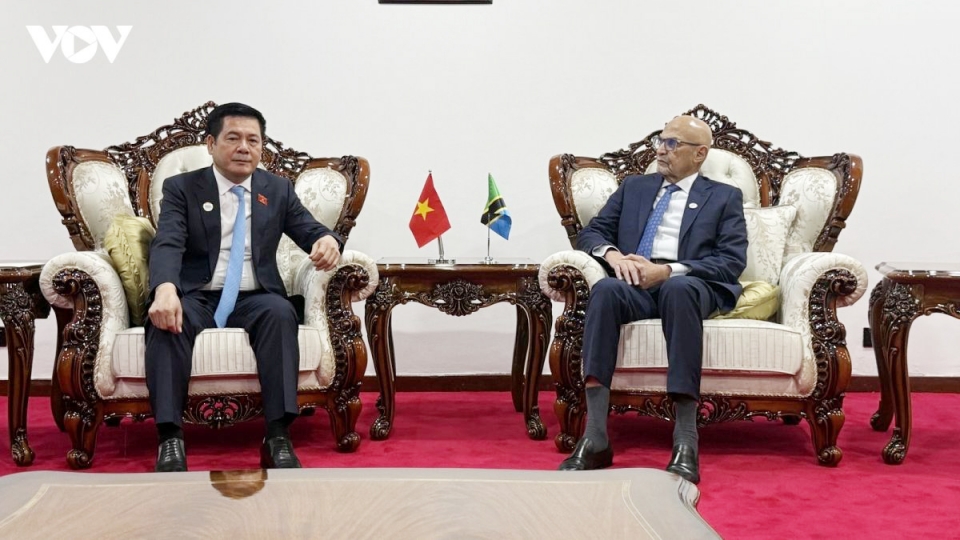
Tanzania Speaker sees Vietnam’s Doi Moi as model for development
VOV.VN - Tanzania’s National Assembly Speaker Mussa Azzan Zungu has described Vietnam’s socio-economic achievements after 40 years of Doi Moi (Renewal) as a model Tanzania can draw on as it implements its Tanzania Development Vision 2050.


