Deputy PM urges clear accountability in disaster prevention plan

VOV.VN - Deputy Prime Minister Ho Quoc Dung has urged ministries and localities to turn Vietnam’s 2026–2030 disaster prevention and control plan into actionable measures, with clear responsibilities, feasible scenarios and accountability for implementation, as the country faces increasingly severe natural disasters.
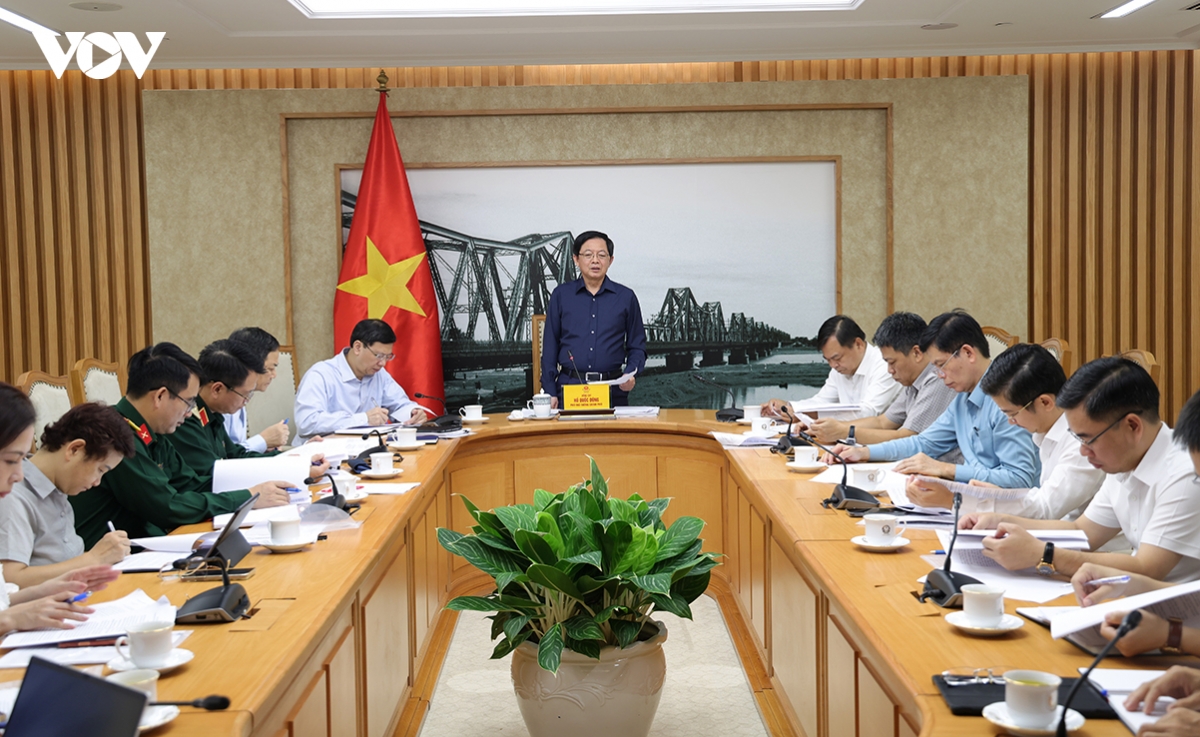
Chairing a meeting at the Government headquarters in Hanoi on October 22 to discuss the disaster prevention and control plan for 2026–2030, the Deputy PM underscored the need for practical measures to strengthen preparedness, minimise disaster risks and build a safer society.
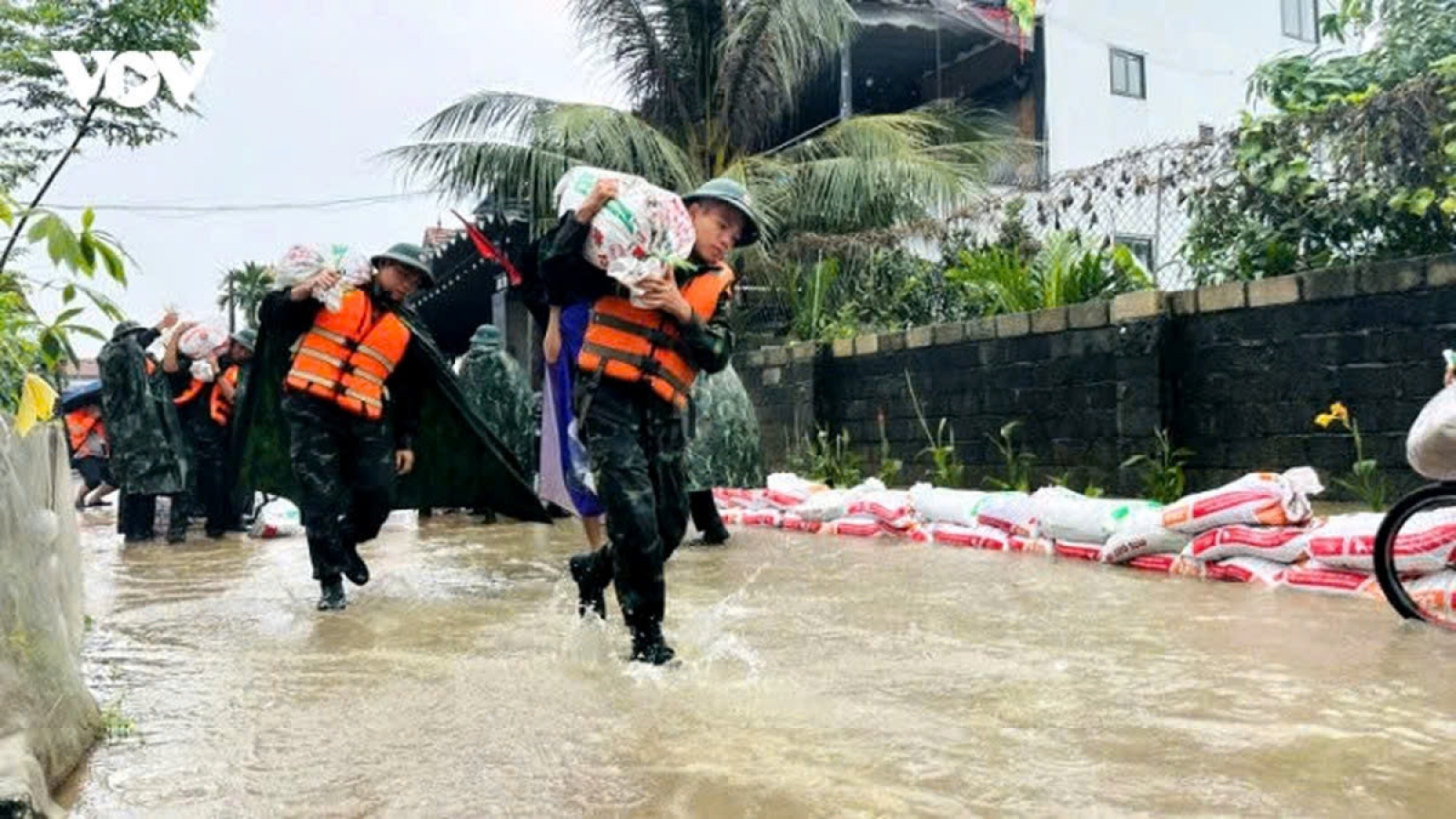
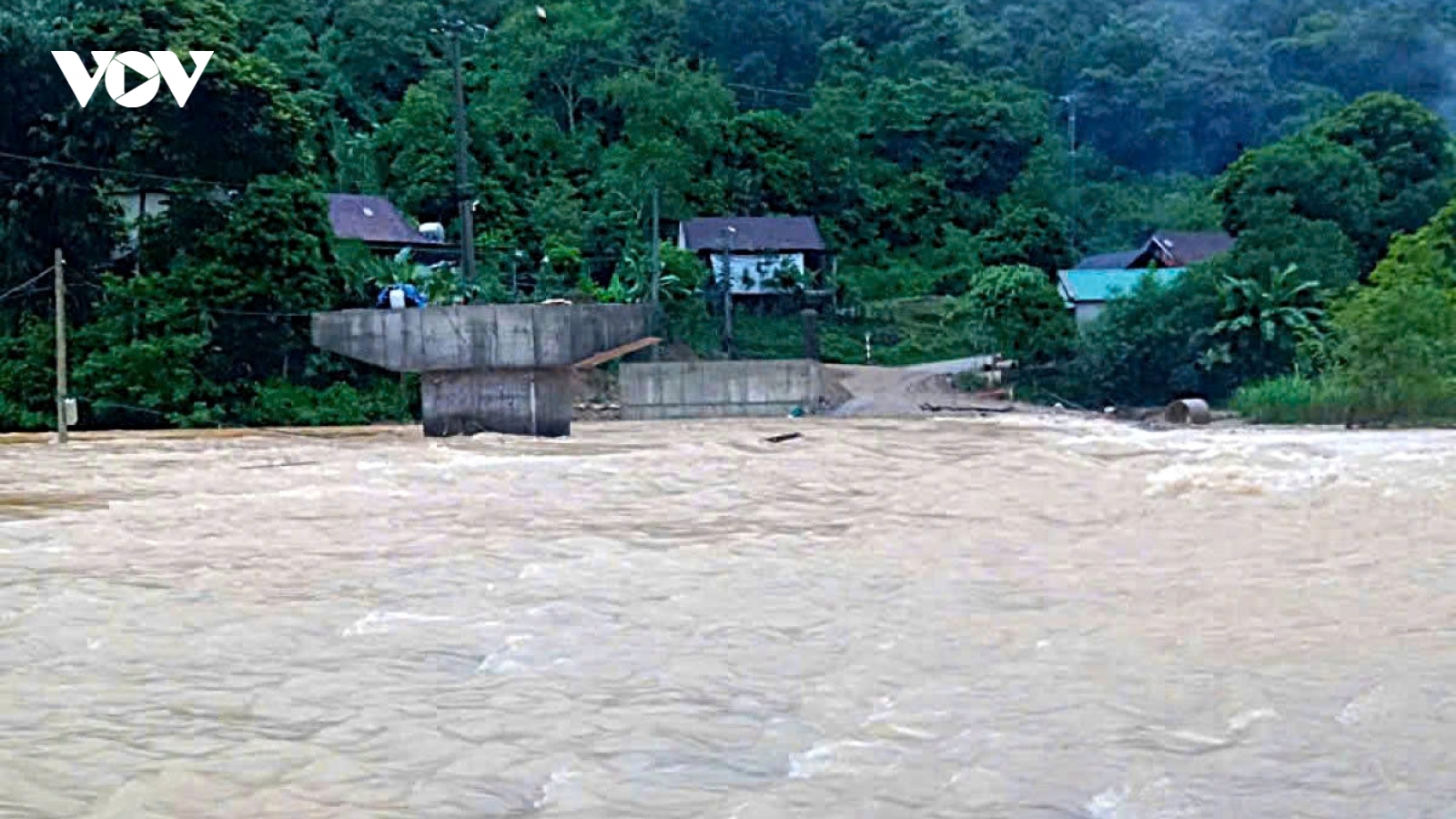
According to a report presented at the meeting, Vietnam is affected by 21 of the world’s 22 types of natural disasters, with storms, floods, landslides, droughts and saltwater intrusion posing recurring threats. Over the 2021–2025 period, disasters left 1,455 people dead or missing and caused more than VND230 trillion (US$8.7 billion) in damage. Losses were particularly severe in 2024 and 2025, exceeding VND100 trillion in the two years combined, with 2025 especially devastating.
The draft plan draws on assessments of existing conditions, the legal framework, implementation shortcomings and their underlying causes, as well as disaster-risk analysis and climate-change scenarios. It sets out objectives and measures addressing major hazards, including severe storms and super typhoons, river-basin flooding, flash floods, landslides, drought and saltwater intrusion.
Turning plans into coordinated action
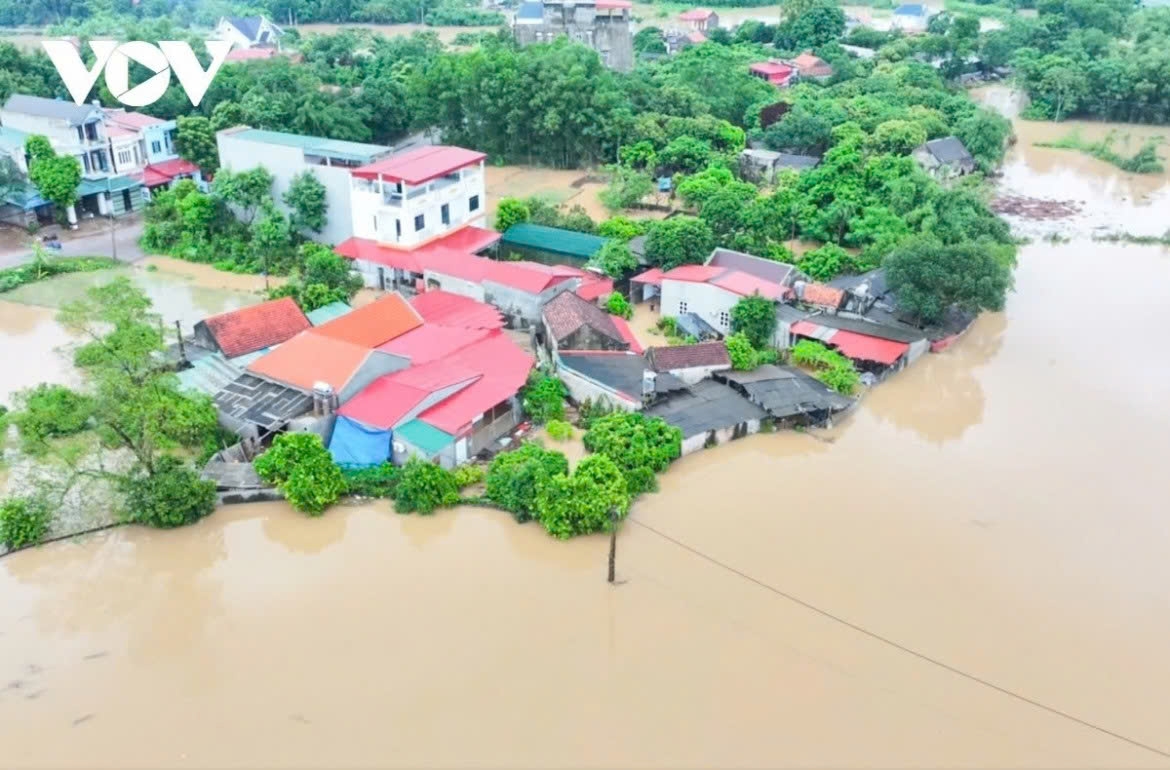
A central challenge is ensuring that disaster prevention is integrated into development planning and adequately resourced across sectors.
Nguyen Hoang Hiep, Deputy Minister of Agriculture and Environment, outlined difficulties encountered during implementation of the 2021–2025 plan. Disaster prevention involves virtually every sector, he noted, making it particularly challenging to mobilise resources from across society and incorporate risk-reduction measures into socio-economic development plans and spatial planning.
Participants highlighted the need to mobilise funding from multiple sources, including public-private partnerships (PPPs), strengthen monitoring and forecasting around hydropower reservoirs and downstream areas, and expand the use of flood-inundation simulations linked to emergency water releases or dam incidents. They also discussed technical standards and regulations for infrastructure projects that could affect disaster prevention and control.
From the defence sector, Senior Lieutenant General Pham Truong Son, Deputy Chief of the General Staff of the Vietnam People's Army, emphasised that disaster response must begin before a crisis strikes.
“This is a peacetime combat mission. We must get out ahead of disasters and proactively reach people, rather than wait until floods occur. Communication and public awareness must be strengthened, and preparations made in advance,” he said, adding that coordinated action by ministries, central agencies and localities could improve disaster prevention and response.
Clear responsibilities and stronger implementation
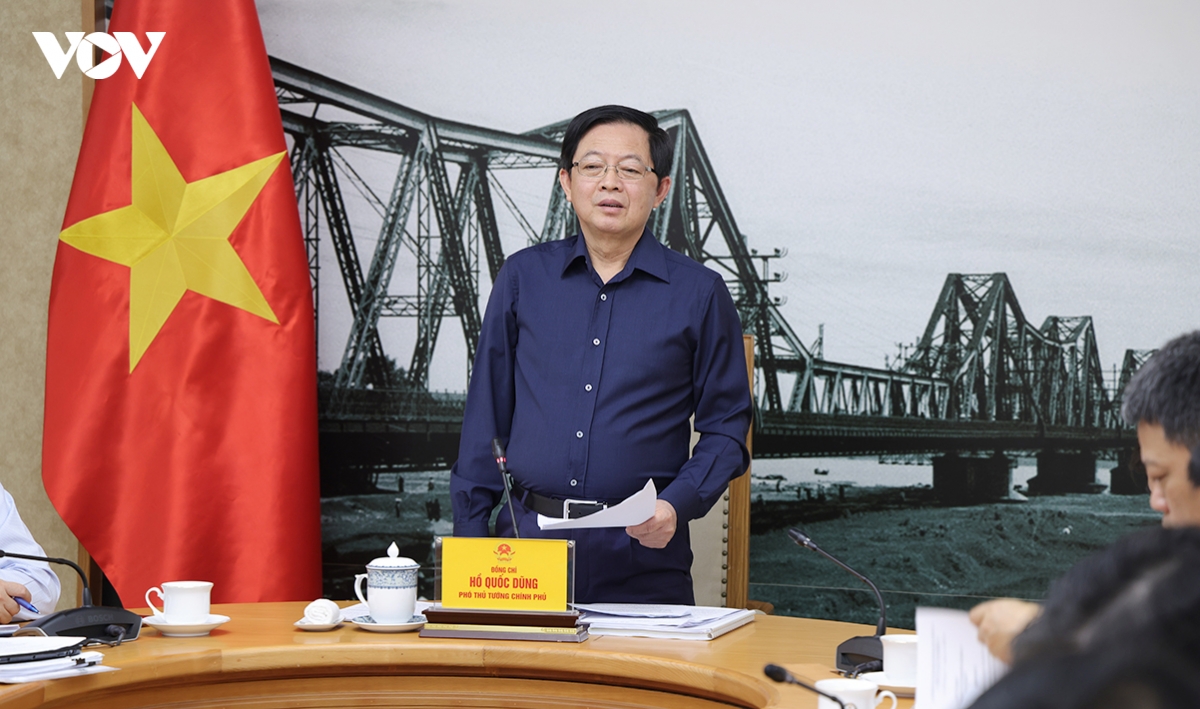
Deputy Prime Minister Ho Quoc Dung commended the Ministry of Agriculture and Environment for swiftly incorporating the Government’s directions into the draft plan, including recent conclusions and policy orientations issued by the Party Central Committee, the Politburo and senior leaders.
He cautioned that comprehensive plans would not prevent heavy losses unless they were translated into specific action. The new plan, he directed, must identify shortcomings and challenges clearly enough to guide corrective measures.
The plan should be issued promptly and provide an integrated national framework covering multiple sectors, regions and provinces, with a clear division of responsibilities between central and local authorities. It must also identify the hazards most likely to affect each area and specify how disaster prevention measures are to be incorporated into local plans, projects and infrastructure works.
The Deputy PM further required concrete prevention and response measures, alongside scenarios that strengthen forecasting, early warning and preparedness. Projects under the plan must be feasible, while ministries, sectors and local authorities must implement their assigned tasks rigorously and be held accountable if failures result in losses.
He also directed a review of policy and regulatory gaps, with priority areas identified for reform. Resources should be mobilised from across the economy, including businesses, communities and PPP arrangements, while dam and reservoir safety must be reinforced in conjunction with local authorities’ responsibilities. Officials who fail to discharge their duties properly could face disciplinary action, including suspension from their positions.
Other priorities include strengthening capacity, consolidating civil defence steering and command bodies, and establishing clear procedures for inspection, monitoring and accountability when agencies or local authorities fail to fulfil their responsibilities.
The meeting underscored the need to move beyond planning on paper towards coordinated, adequately resourced and enforceable measures, with clear lines of responsibility for preventing disasters, preparing for emergencies and protecting communities.
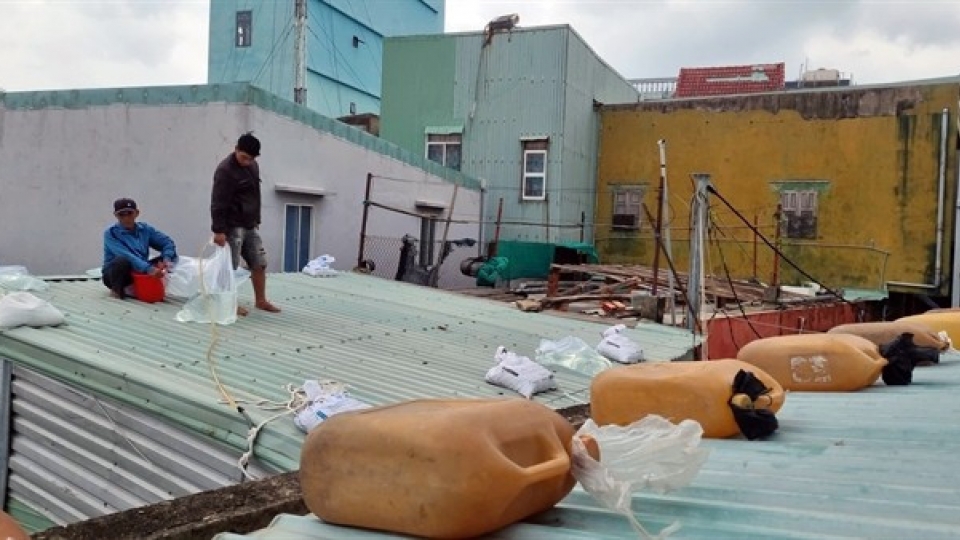
Natural disasters forecast to remain unpredictable next year
The year 2025 is recorded as one of the most complex and extreme years for natural disasters in Vietnam, particularly typhoons, heavy rain and flooding. Forecasts indicate that natural disasters next year will continue to evolve unpredictably.