


Vietnam taps global knowledge for new engines of growth

VOV.VN - Vietnam is turning to global expertise and international policy experience to help shape new growth engines, as science and technology, AI, digital transformation and modern financial models become increasingly important to its long-term development.
The focus was highlighted by Deputy Prime Minister Nguyen Van Thang at the opening of the Vietnam Leadership Program (VLP) 2026 at Columbia University in New York on August 24 (local time), where he led a Vietnamese delegation for the three-day policy dialogue.
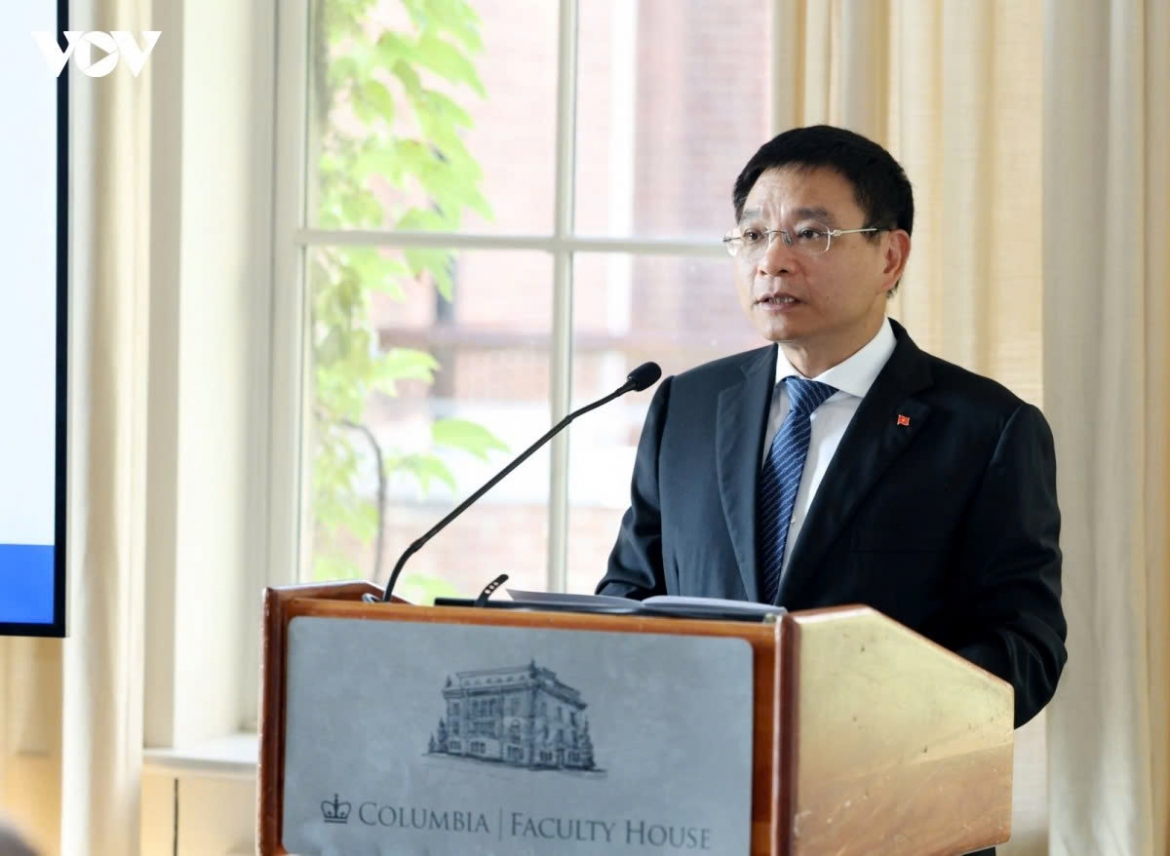
Vietnam is entering a new stage of development, aiming to become a developing country with modern industry and upper-middle income status by 2030, and a high-income developed country by 2045.
Achieving these goals, Deputy PM Nguyen Van Thang said, requires not only maintaining growth but also drawing on international knowledge and experience, including through engagement with leading academic institutions such as Columbia.
Exploring new sources of growth
VLP 2026 focuses on issues directly linked to Vietnam’s development prospects, including safe AI governance, digital finance, cloud computing, banking modernisation, capital markets and national technology strategies.
The Deputy Prime Minister said these are practical issues for Vietnam as it seeks to renew its development model. Discussions with Columbia professors and US experts are expected to provide additional perspectives and evidence for policymaking.
He also shared priorities for achieving double-digit economic growth, strengthening economic self-reliance and promoting balanced, sustainable and mutually beneficial trade with international partners.
Vietnam is also seeking to turn academic exchanges into concrete and practical cooperation projects with the United States.
The program is structured around three broad themes, including the outlook for the global economy and its implications for Vietnam; new growth drivers such as science and technology, AI, digital finance and digital transformation; and approaches to supporting growth and developing a new model of economic development.
Linking knowledge with policymaking
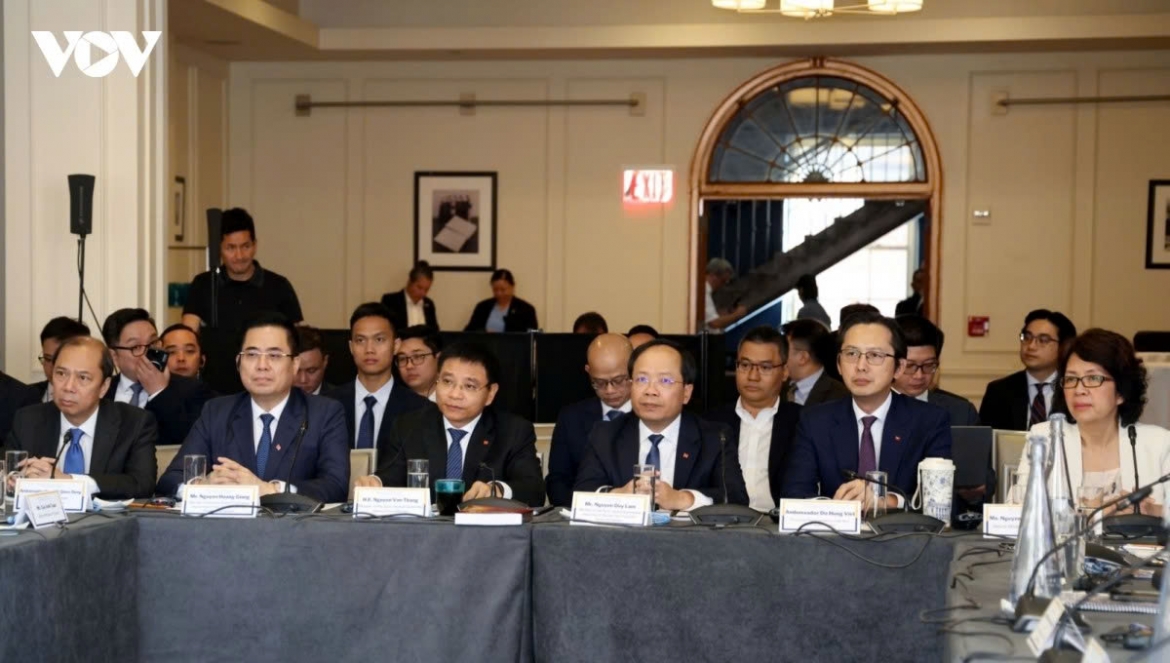
During discussions with Columbia academics and other US experts, the Vietnamese delegation outlined its priorities for renewing Vietnam’s development model, establishing a framework for safe AI governance and developing digital financial infrastructure.
Vietnam also called on leading US scholars to continue sharing experience and offering policy advice on issues of particular interest to the country.
Professor Nguyen Thi Lien Hang, director of the Weatherhead East Asian Institute at Columbia, noted the issues discussed at VLP 2026 are among the major challenges facing both Vietnam and the United States. She said the sessions could provide an open and substantive space for exchanges and generate new ideas for development.
Columbia is also advancing plans to establish the Center for Global Vietnam, which is intended to provide a long-term academic platform for research and engagement in policy, leadership, culture, arts and internship programs. The initiative could become another channel for knowledge and research exchange between the two countries.
From dialogue to practical cooperation
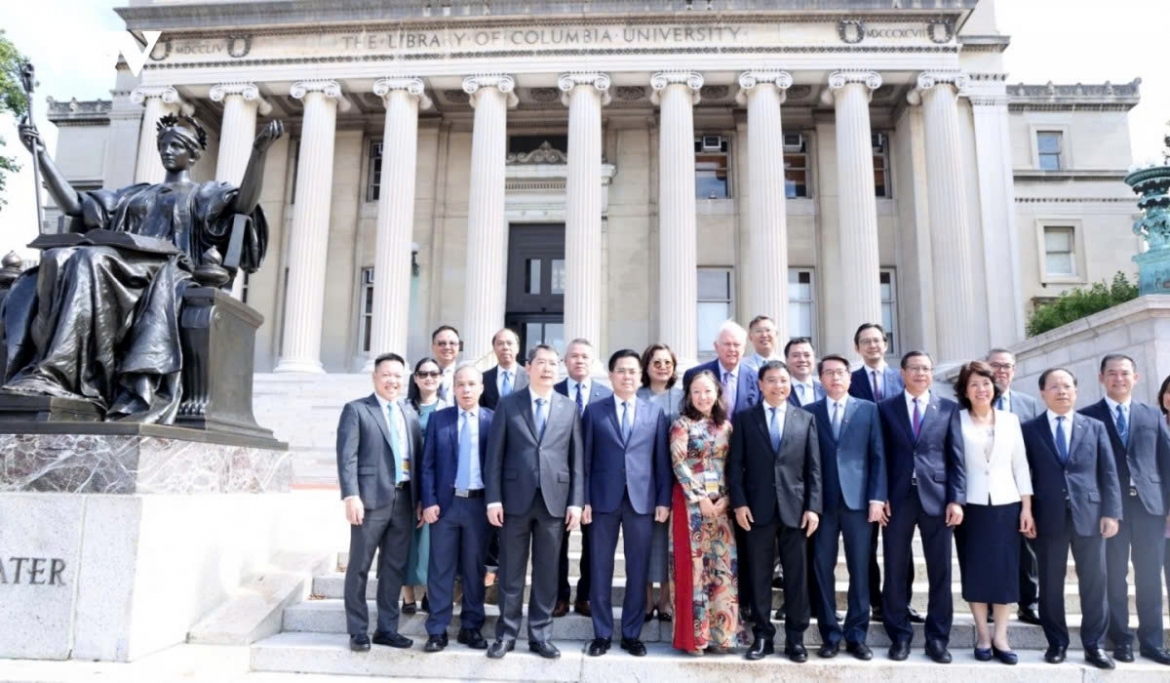
VLP 2026 continues through August 26 with sessions focusing on cloud computing and financial services in Vietnam, global trade and supply chains, and mobilising resources for a new development model.
The program therefore goes beyond a conventional academic exchange. Its broader value lies in connecting international expertise with Vietnam’s practical policy needs and identifying ideas that can be translated into development strategies and cooperation opportunities.
As Vietnam seeks faster growth and a new development model, deeper links with global knowledge centers such as Columbia can provide fresh perspectives on technology, finance, trade and innovation while opening new channels for practical cooperation between Vietnam and the United States.
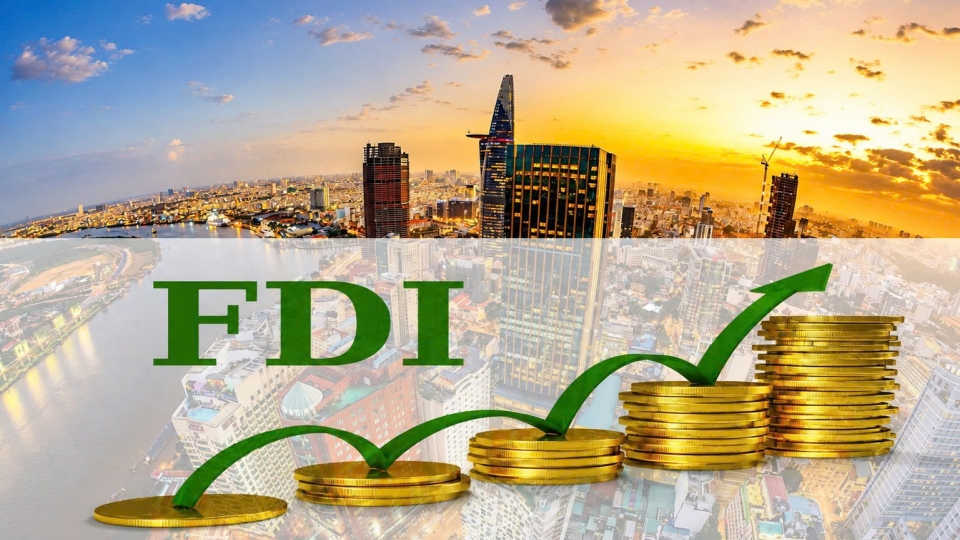
How can Vietnam turn surging FDI into broader economic spillovers?
VOV.VN - Vietnam is shifting its foreign direct investment (FDI) strategy from attracting more foreign capital to maximising its impact on technology, production capacity, value added and linkages with domestic businesses.


