Vietnam and RoK shift toward co-developing next-generation industrial, tech ecosystems

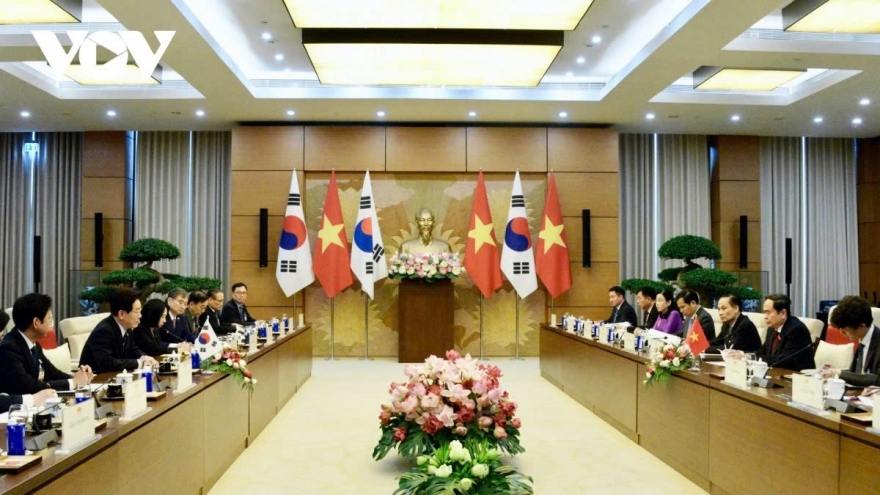
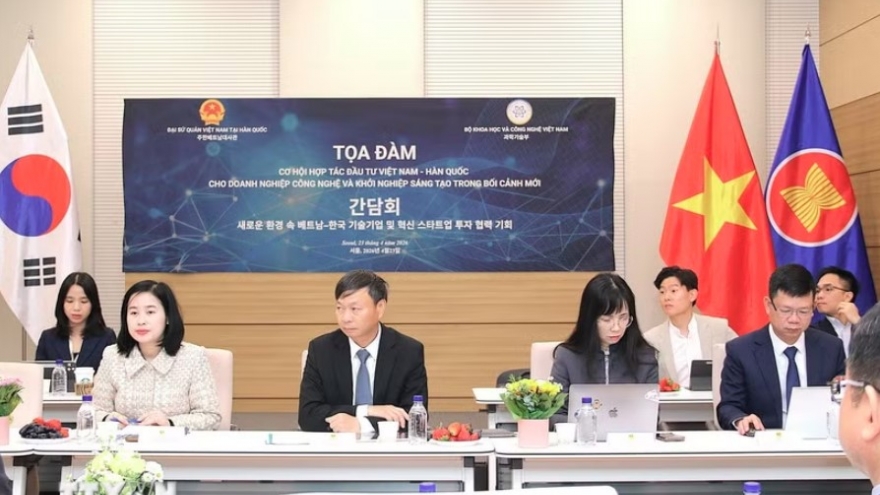
VOV.VN - Vietnam and the Republic of Korea (RoK) are shifting their cooperation from traditional trade and investment toward the co-development of next-generation industrial and technology ecosystems, with a focus on innovation, high-value supply chains, and strategic industries.
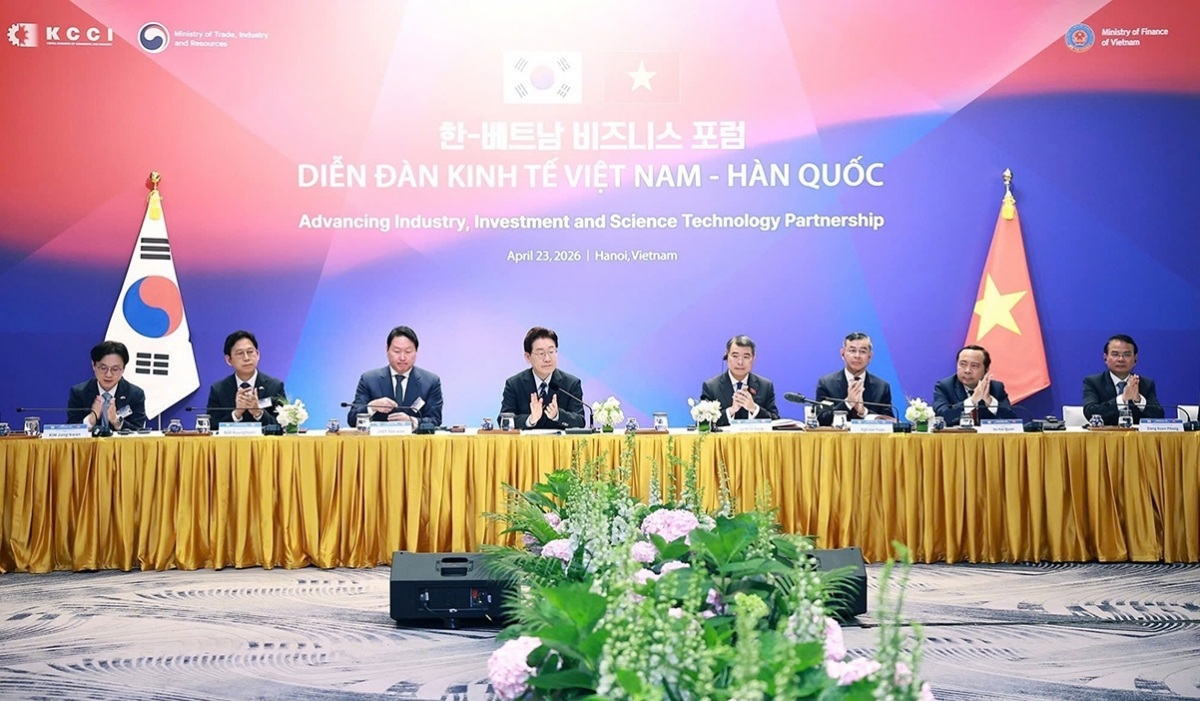
This direction was outlined at the Vietnam–RoK Business Forum held in Hanoi on April 24, amid growing demand to move bilateral ties from scale expansion to deeper, higher-quality integration.
A report by the Ministry of Finance shows after more than 30 years of diplomatic relations, particularly since the upgrade to a Comprehensive Strategic Partnership, Vietnam–RoK cooperation has developed strongly, comprehensively, and substantively.
The RoK is currently Vietnam’s largest foreign investor with nearly 10,500 valid projects and total registered capital exceeding US$100 billion. It is also one of Vietnam’s leading trading partners, with bilateral turnover reaching US$89.5 billion in 2025. The two countries are looking to raise the trade value to US$150 billion by 2030 in a more balanced and sustainable direction.
The RoK contributes not only capital but also improvements in technology capacity, production capabilities, and Vietnam’s position in global value chains. Building on this foundation, both sides are now entering a new phase of cooperation focused not merely on expansion, but on enhancing quality and value creation.
Addressing the forum, Vietnamese Prime Minister Le Minh Hung stressed the need for a new approach to bilateral cooperation.
“Cooperation between the two countries should not stop at investment and trade, but should be elevated to jointly developing future industrial and technological ecosystems,” he said.
According to the Prime Minister, this vision should be operationalised through developing integrated clusters linking production, research, and innovation; restructuring supply chains toward greater flexibility, sustainability, and higher value; and strengthening knowledge linkages to move toward joint research, development, and commercialisation of technologies.
“We should co-develop next-generation industrial and technological ecosystems… where enterprises from both countries deeply engage in high-tech and emerging sectors,” he added.
RoK President Lee Jae-myung shared a similar vision, emphasising the need to move beyond traditional manufacturing toward core future technologies.
“Cooperation should go beyond traditional manufacturing sectors and expand into artificial intelligence, semiconductors, and digital technologies,” President Lee said, reaffirming that Korean enterprises will continue to expand high-tech investments in Vietnam.
He also highlighted the importance of strengthening energy and supply chain foundations as a prerequisite for sustainable growth.
“Ensuring stable access to resources and energy is essential for sustainable growth,” he noted, adding that the two countries will step up cooperation in areas such as nuclear energy, renewable energy, and strategic resources.
Both sides agreed to promote science, technology, and innovation as a long-term pillar of cooperation. According to President Lee, new cooperation frameworks could “open a new future for scientific collaboration” amid intensifying global technological competition.
The forum was seen as a high-level platform for policy and business dialogue, where stakeholders not only reviewed past achievements but also outlined breakthrough directions, focusing on three core pillars: high-tech industry, quality investment linked with domestic enterprises, and science, technology, and innovation.
With a strong foundation and a renewed strategic vision, Vietnam and the RoK are expected to move toward a model of co-creating value, elevating their partnership to a deeper, more sustainable, and more effective stage of development.
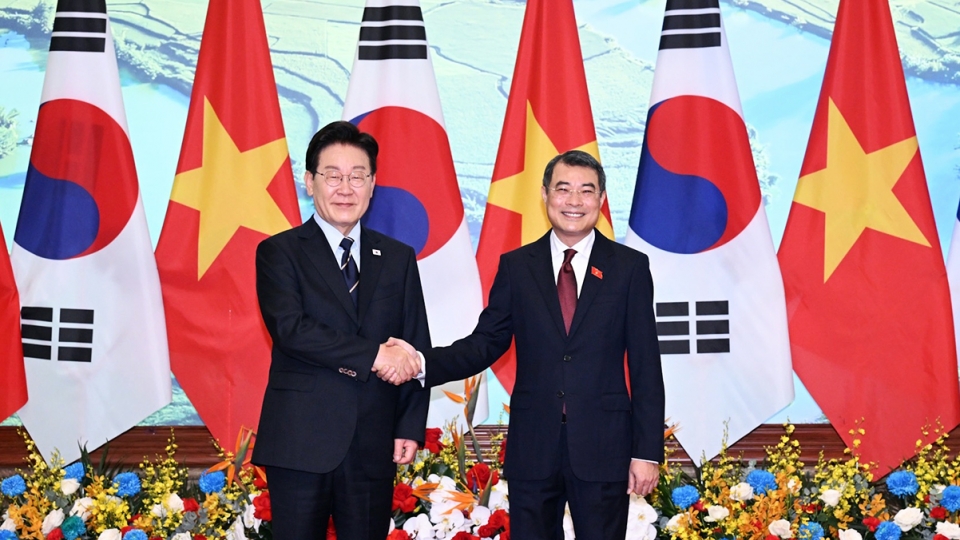
Vietnam and RoK advance value chain, innovation-driven partnership
VOV.VN - Vietnam and the Republic of Korea (RoK) are entering a new phase in their Comprehensive Strategic Partnership, shifting from traditional cooperation toward deeper integration in global value chains, innovation, and high-tech industries.