PM calls for stronger coordination in economic diplomacy

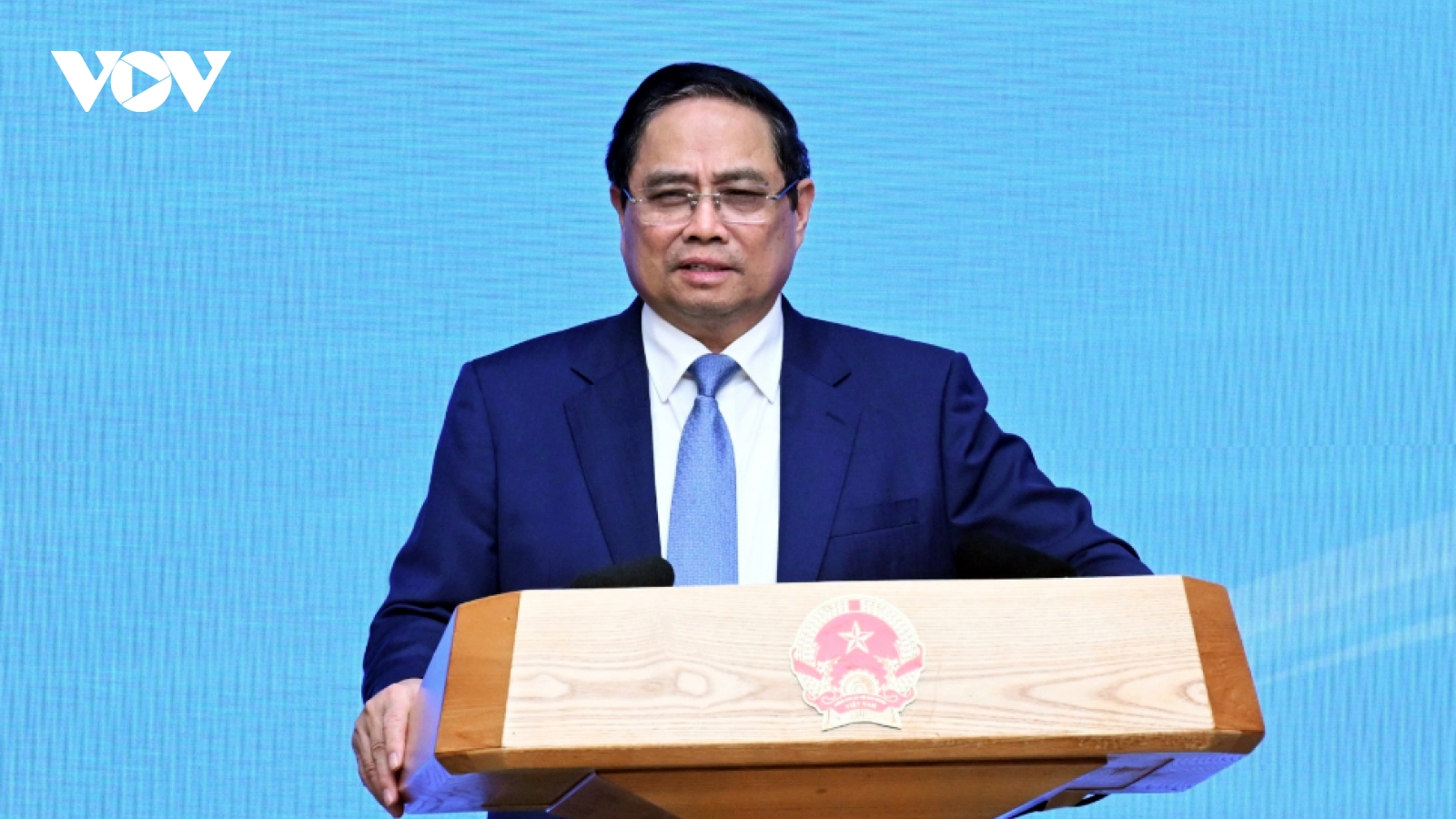
VOV.VN - Prime Minister Le Minh Hung on May 11 called on the Ministry of Foreign Affairs to proactively develop a unified mechanism for managing external relations activities, particularly in economic diplomacy, investment attraction and technology diplomacy.
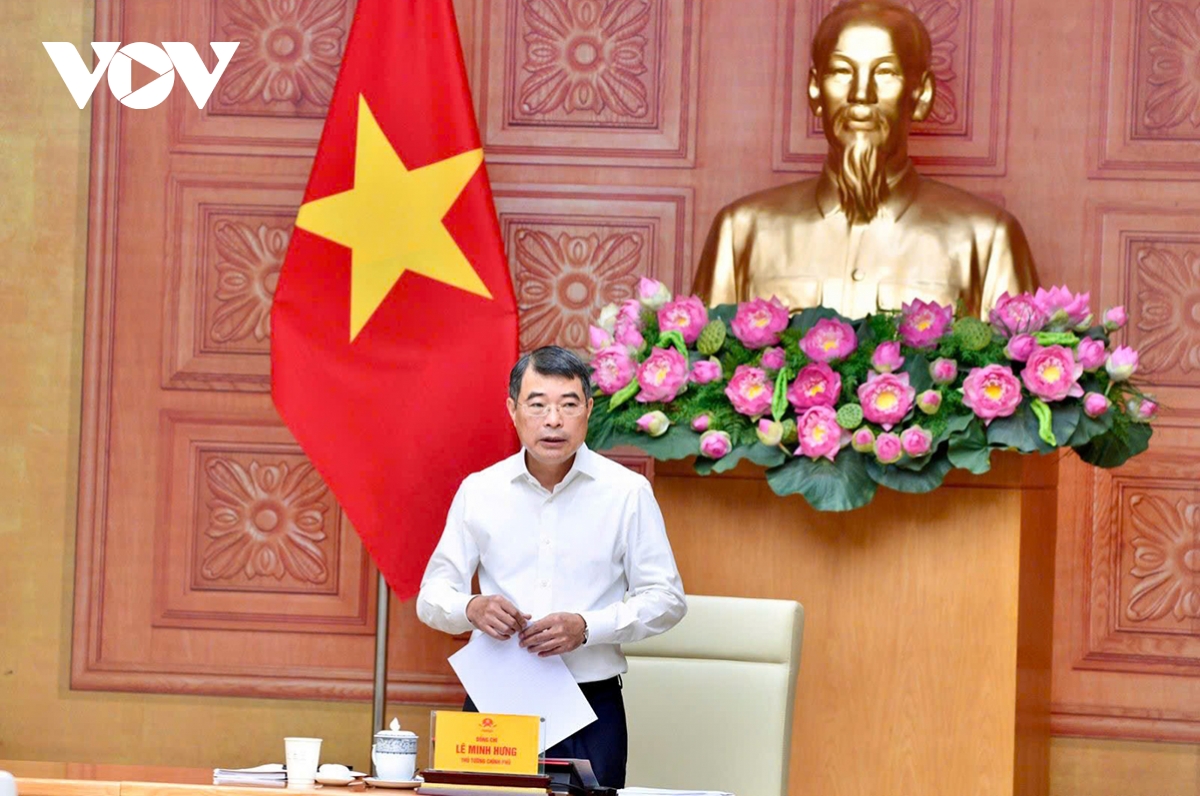
Chairing a working session with the ministry in Hanoi on May 11, the Prime Minister reviewed the ministry’s performance in the first months of 2026 and discussed key strategic priorities for the coming period.
The Prime Minister praised the foreign affairs sector for contributing to maintaining peace, stability and a favourable environment for national development, while strengthening Vietnam’s relations with other countries.
He also commended the ministry’s role in refining the Party’s foreign policy thinking, especially the strategic adjustments introduced at the 14th National Party Congress, as well as the country’s efforts to expand export markets, mobilise external resources for development and enhance Vietnam’s international standing through high-level diplomatic activities and participation in multilateral institutions.
According to the Prime Minister, the foreign affairs sector has effectively combined the three pillars of Party diplomacy, State diplomacy and people-to-people diplomacy.
At the same time, he pointed out several limitations, saying the ministry needed to further reform its mindset and working methods to meet new development requirements, particularly in promoting Vietnam’s competitive sectors and expanding international markets.
Looking ahead, the Prime Minister stressed the importance of building a clean and strong Party organisation within the Ministry of Foreign Affairs, with special attention paid to political and ideological work and the protection of internal political security, especially in strategically important locations.
He also urged the ministry to quickly institutionalise the foreign policy orientations adopted at the 14th National Party Congress into concrete plans, programmes and implementation mechanisms, particularly resolutions related to international integration and foreign affairs strategy.
The Prime Minister instructed the ministry to coordinate with relevant agencies to review and amend regulations on the ministry’s functions, tasks and organisational structure, while also developing key performance indicators (KPIs) for evaluating officials and civil servants.
In particular, he emphasised the need to establish a central coordination mechanism for external relations activities, especially in economic diplomacy, investment promotion, tourism promotion and technology diplomacy.
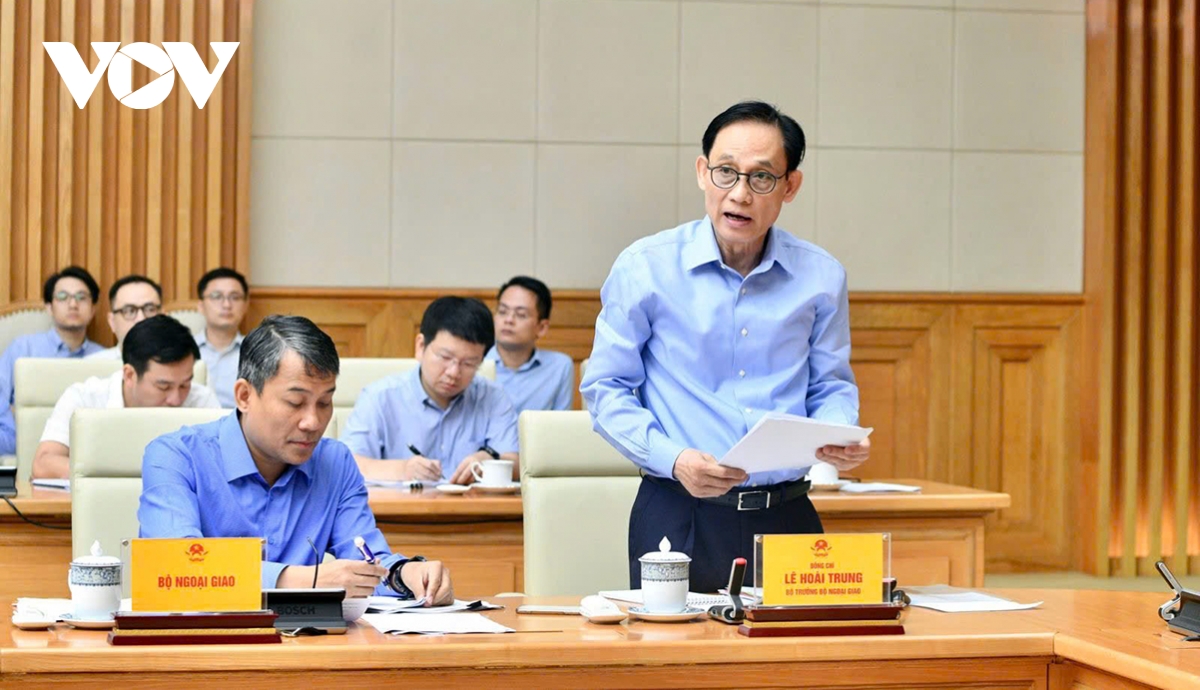
The Prime Minister also called for more proactive coordination in preparing high-level diplomatic activities, urging ministries and agencies to improve planning and consultation work to ensure external engagements are conducted in a practical, efficient and results-oriented manner.
He stressed the importance of digital transformation in foreign affairs management, including the rapid development of digital systems to monitor and implement international agreements and commitments, especially those reached during high-level visits.
The government chief further instructed the ministry to improve strategic research, forecasting and policy analysis regarding regional and global developments, particularly shifts in the policies of major partners, in order to avoid strategic surprise and support national security and development goals.
He highlighted the need to align diplomatic research and advisory work with Vietnam’s ambition to achieve double-digit economic growth and transition toward a development model driven by science, technology, innovation and digital transformation.
Highlighting the development of a modern, professional and comprehensive diplomatic sector, the leader urged Vietnamese representative missions abroad to closely monitor local developments, strengthen economic and technological cooperation and support market expansion for Vietnamese goods and labour.
He also assigned the Diplomatic Academy of Vietnam to strengthen its teaching staff, modernise training programmes and expand cooperation with universities, research institutes and leading experts both domestically and internationally to enhance strategic policy research and diplomatic advisory capacity.
During the meeting, Prime Minister Hung also commented on several proposals submitted by the Ministry of Foreign Affairs, including the draft decree on mechanisms and policies to mobilise resources for international integration under Resolution No. 250 of the National Assembly.
He additionally requested the ministry to coordinate with the Ministry of Culture, Sports and Tourism to develop a Cultural Diplomacy Strategy to 2035 with a vision toward 2045 and submit it to the Government in the third quarter of this year.
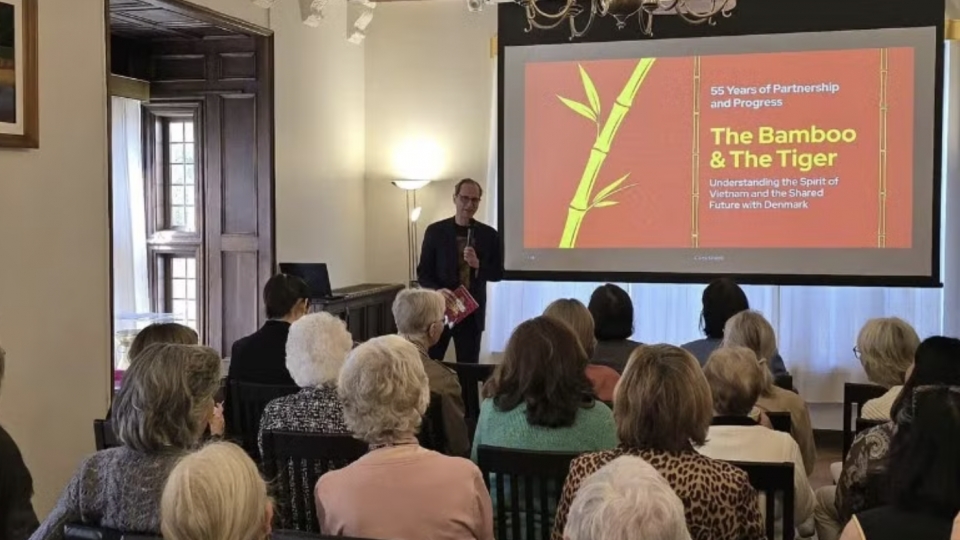
Vietnam strengthens cultural diplomacy, outreach at Denmark showcase
VOV.VN - The Vietnamese Embassy in Denmark held an event titled “Vietnam Today: Development, Culture and People,” on April 17, aimed at promoting the country’s image to Danish and international audiences, while outlining plans to mark the 55th anniversary of Vietnam–Denmark diplomatic relations in 2026.