New look for forest-crossing routes in Vietnam’s Northeast

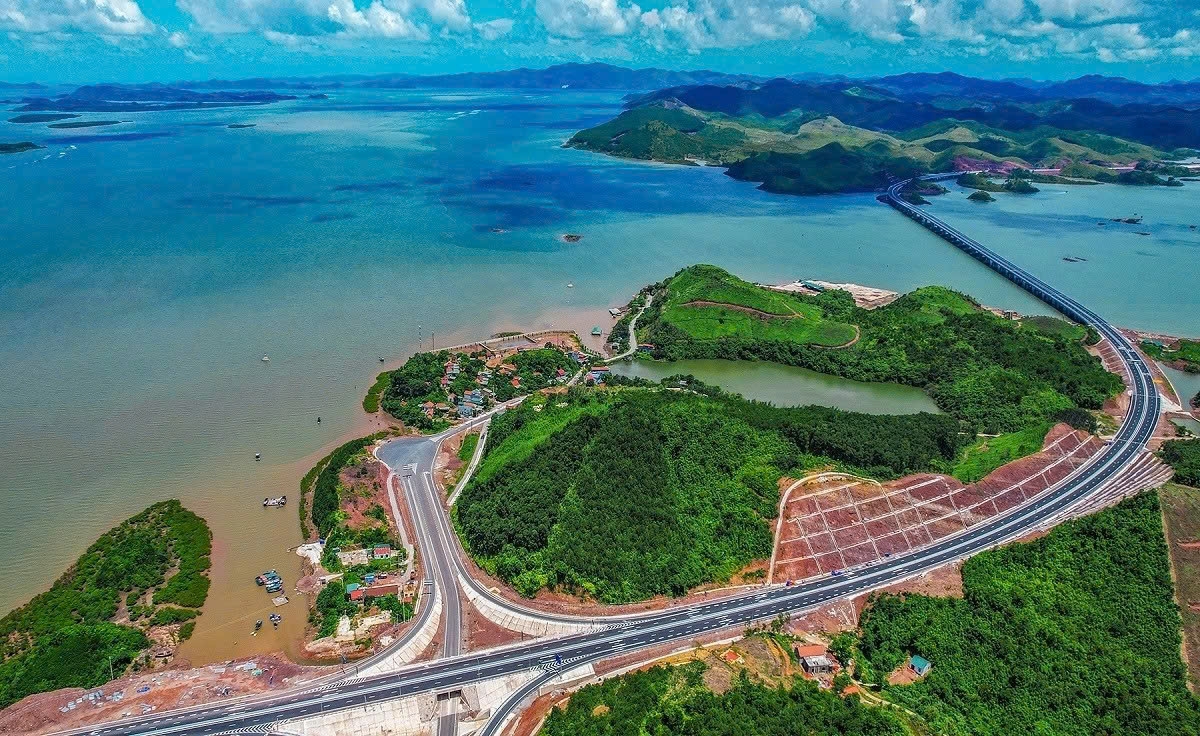
During the 2020–2025 term, northern Quang Ninh province put into operation 825 kilometres of roads, including the 80.2-kilometre Van Don-Mong Cai expressway, completing an almost 180-kilometre expressway corridor across the province and strengthening regional connectivity.
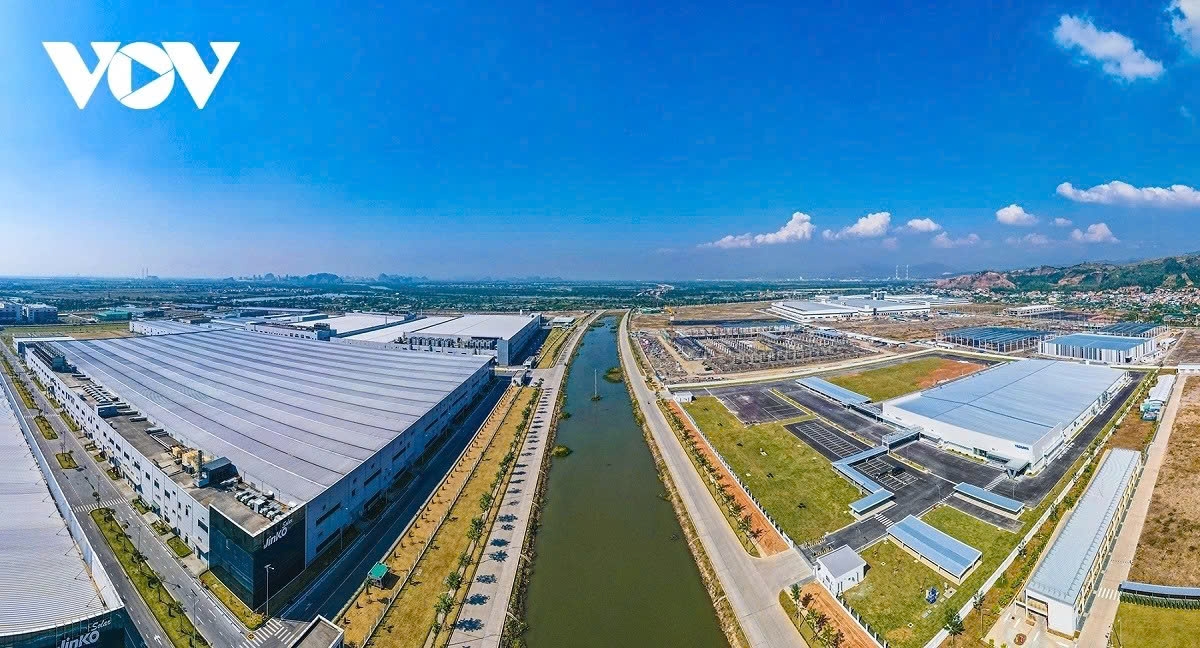
By developing transport infrastructure “one step ahead”, Quang Ninh has built an integrated network linking seaports, aviation and expressways, while expanding industrial and economic zones. These efforts have underpinned high and stable growth, with average GRDP growth estimated at 10.4% per year in 2021-2025, about 1.7 times the national average.
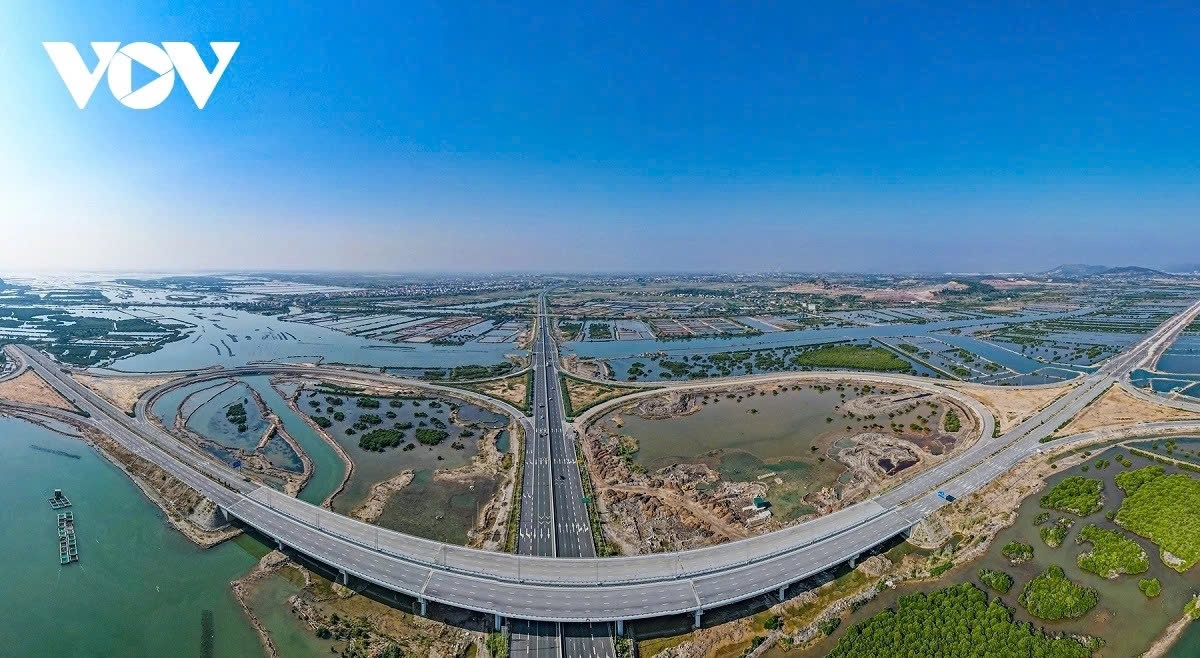
By 2030, Quang Ninh aims to become a centrally governed city, with infrastructure breakthroughs at the core, focusing on major transport, industrial and logistics projects to strengthen regional connectivity.
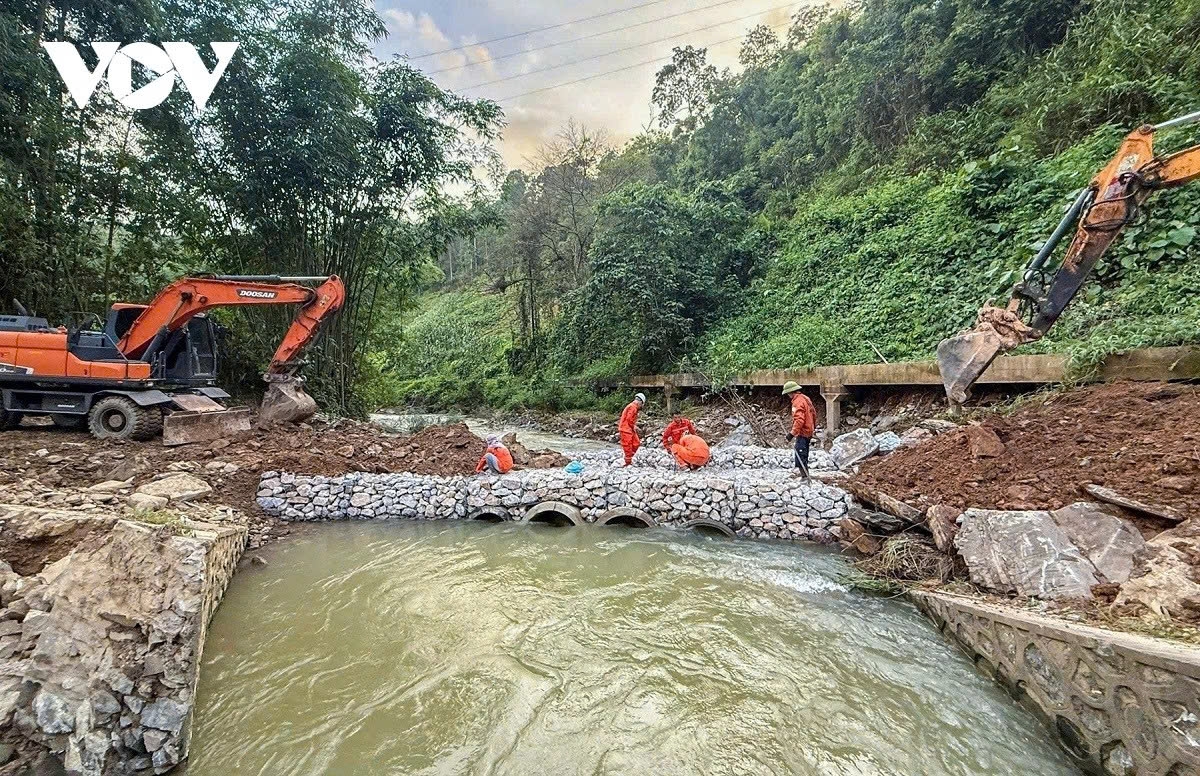
Northern Lang Son province has prioritised transport infrastructure as a breakthrough to support its border-gate economy, upgrading nearly 1,800 kilometres of rural roads and expanding road access to more than 91% of villages.
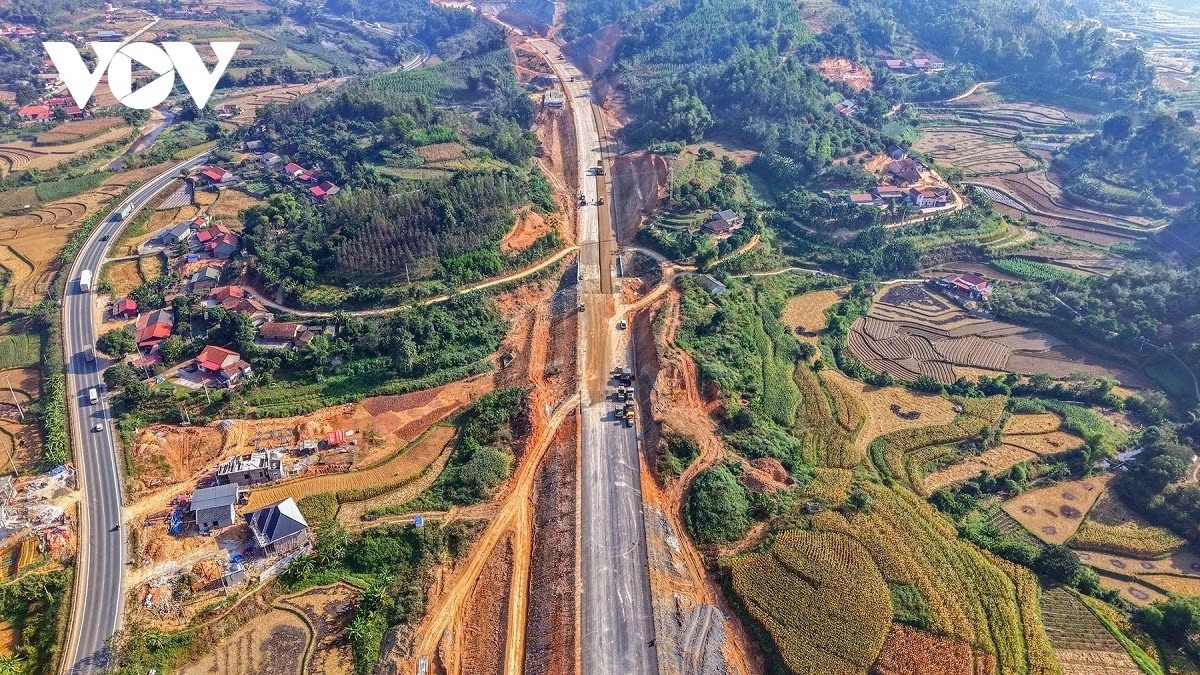
The Huu Nghi-Chi Lang Expressway has opened a 50-kilometre section, linking three border gates and forming part of the eastern North-South expressway axis, easing congestion on National Highway 1 and strengthening cross-border connectivity.
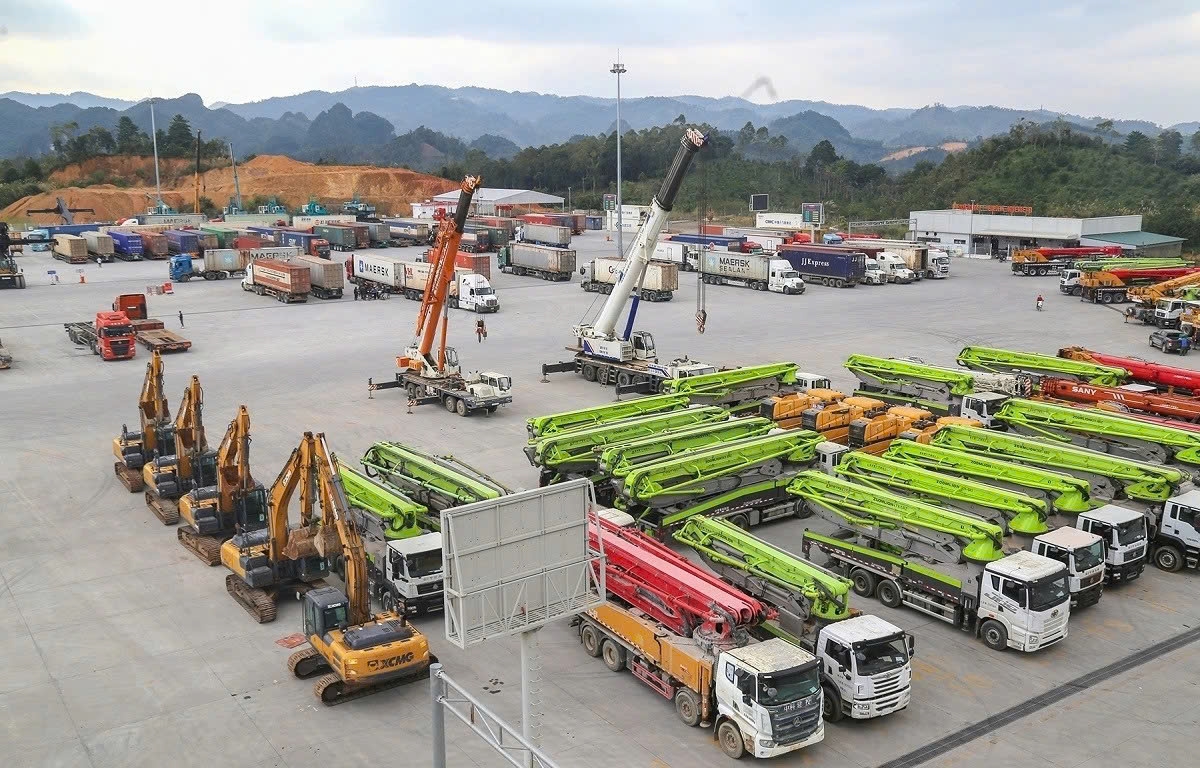
Lang Son has invested more than VND 10 trillion in border-gate infrastructure over the past five years, helping drive trade turnover of US$234.58 billion in 2021-2025 and laying the groundwork for smart border gates and cross-border logistics in the next term.
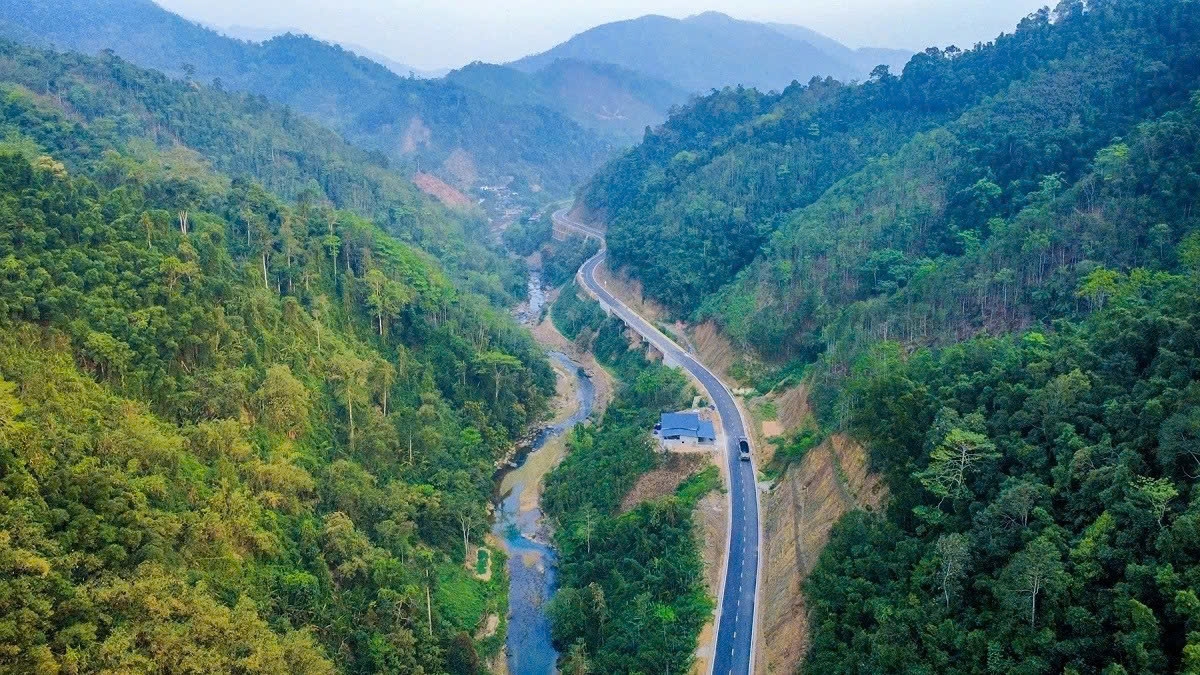
Northern Thai Nguyen province has put major transport projects into use, including regional connector roads and a section of Ring Road 5 of the Hanoi Capital Region, thereby strengthening investment attraction, tourism and regional connectivity.
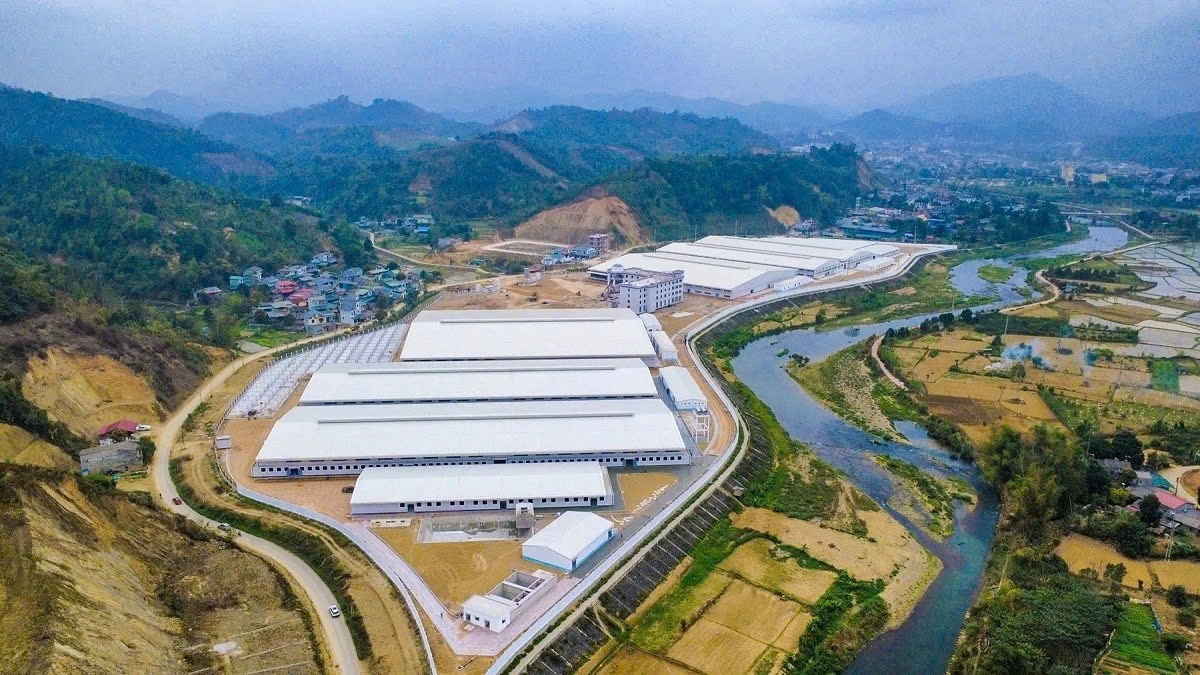
Improved transport links have supported the development of industrial parks and urban areas in Thai Nguyen, helping attract more than 200 domestic projects and 150 FDI projects, with exports reaching US$26-27 billion a year.
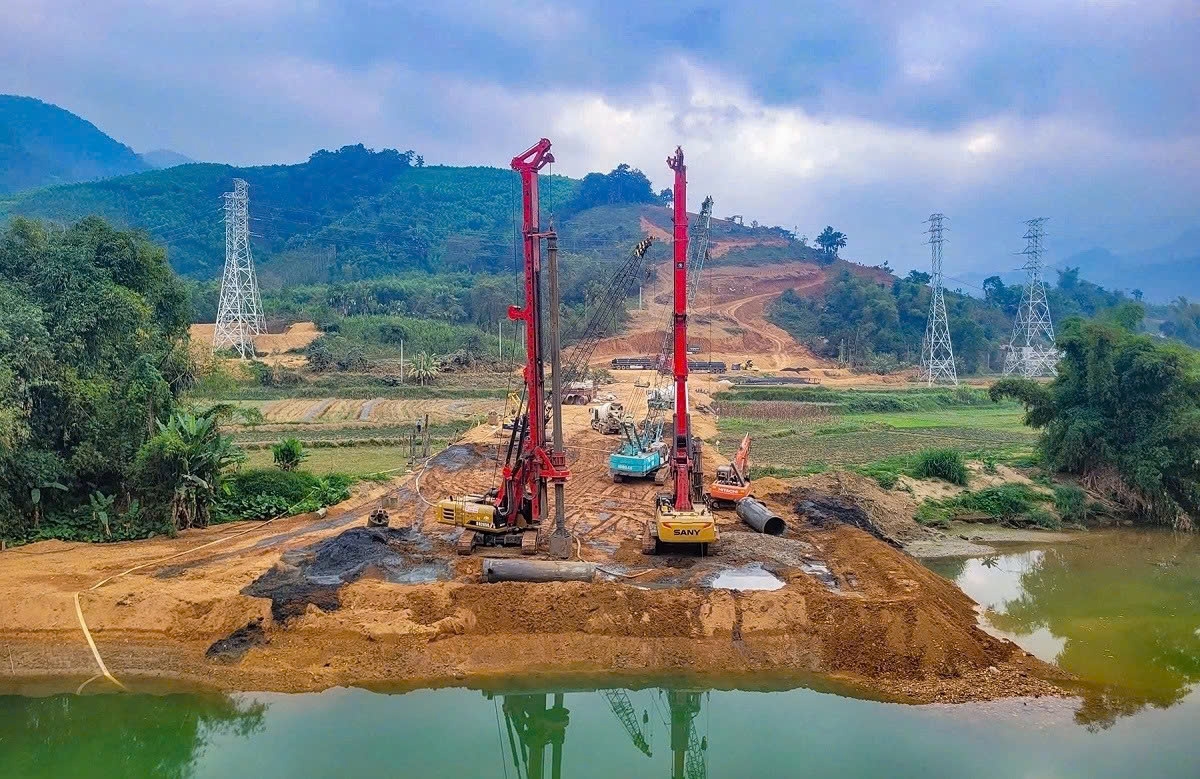
Thai Nguyen invested nearly VND 15 trillion in 38 transport projects in the 2020-2025 period and plans further expressway and regional connectivity projects to support industrial and tourism growth.
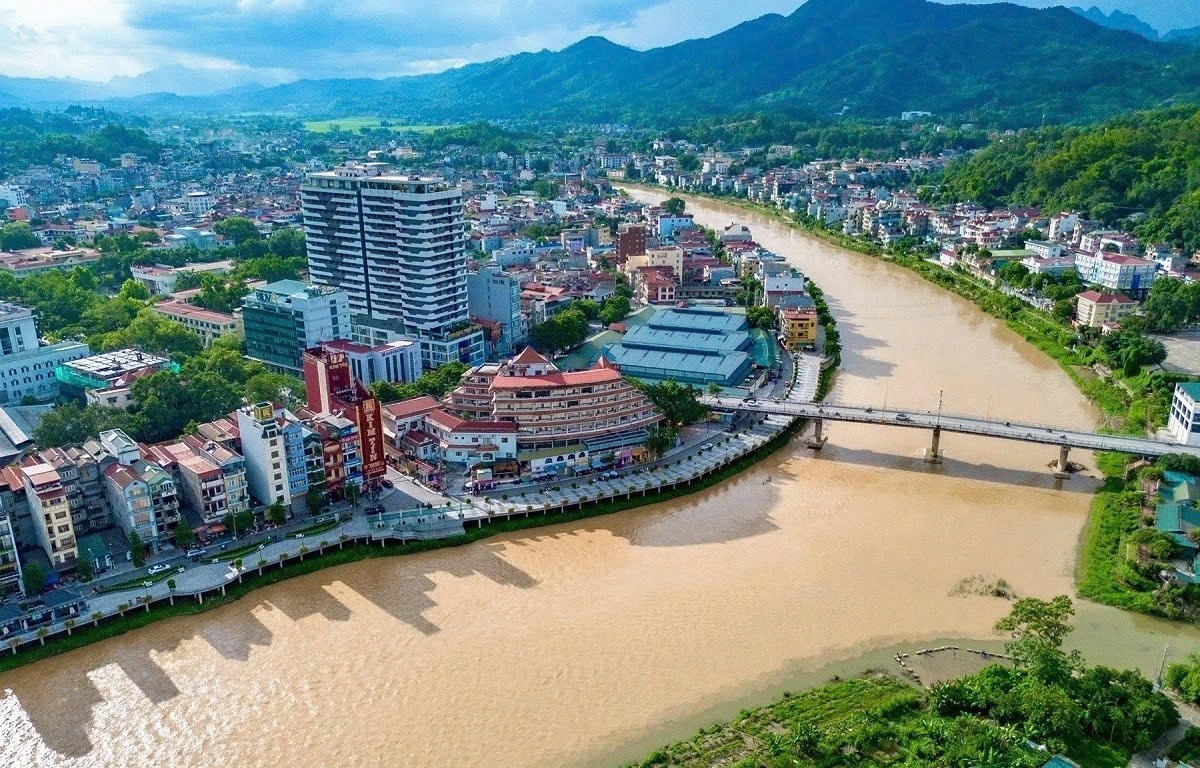
Cao Bang channelled more than VND 18 trillion into transport, tourism, urban, border-gate and digital infrastructure in the 2020-2025 period to unlock development space and address key bottlenecks.
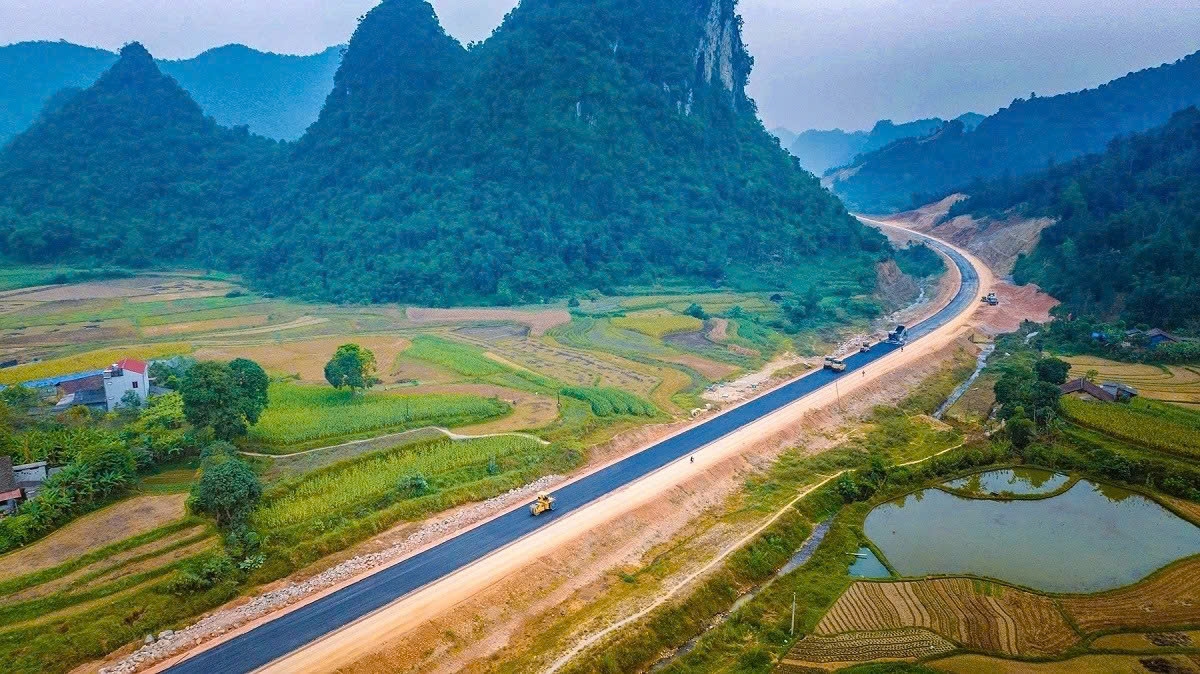
The Dong Dang-Tra Linh expressway, with phase one covering more than 93 km, opens in 2025, thus strengthening regional connectivity and linking Cao Bang to national transport networks.
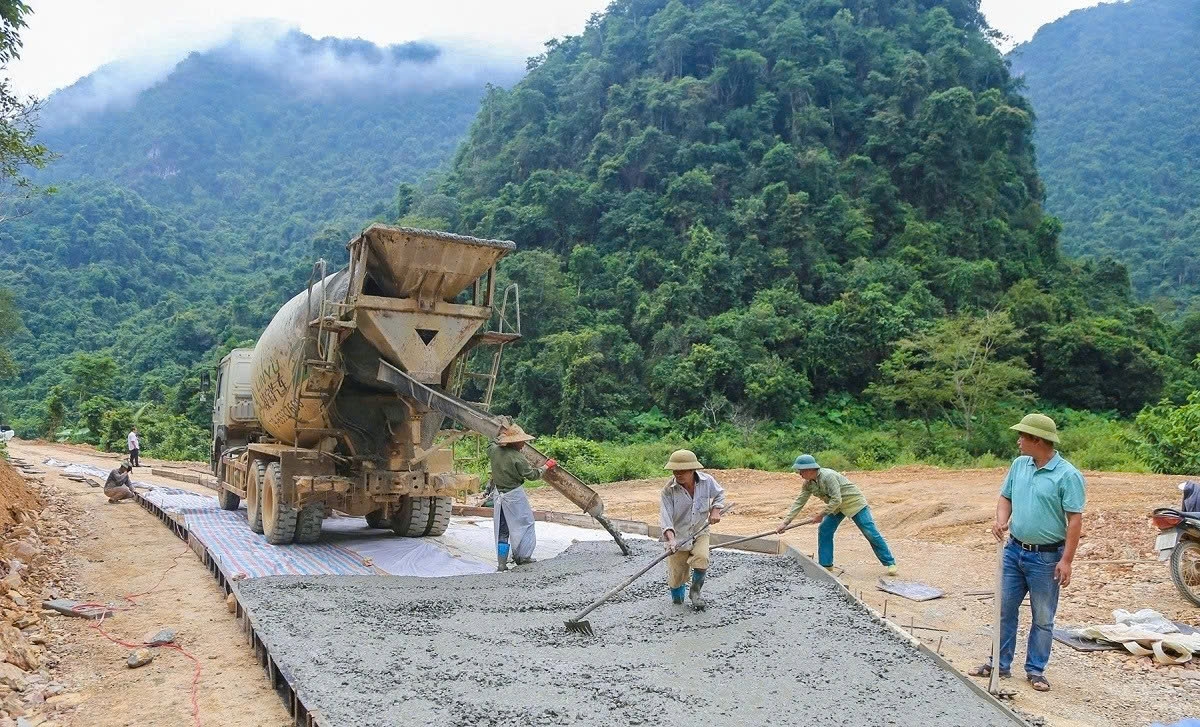
Upon full completion in 2026, the expressway will link with major regional routes, strengthening international trade and supporting socio-economic development in Vietnam’s Northeast.
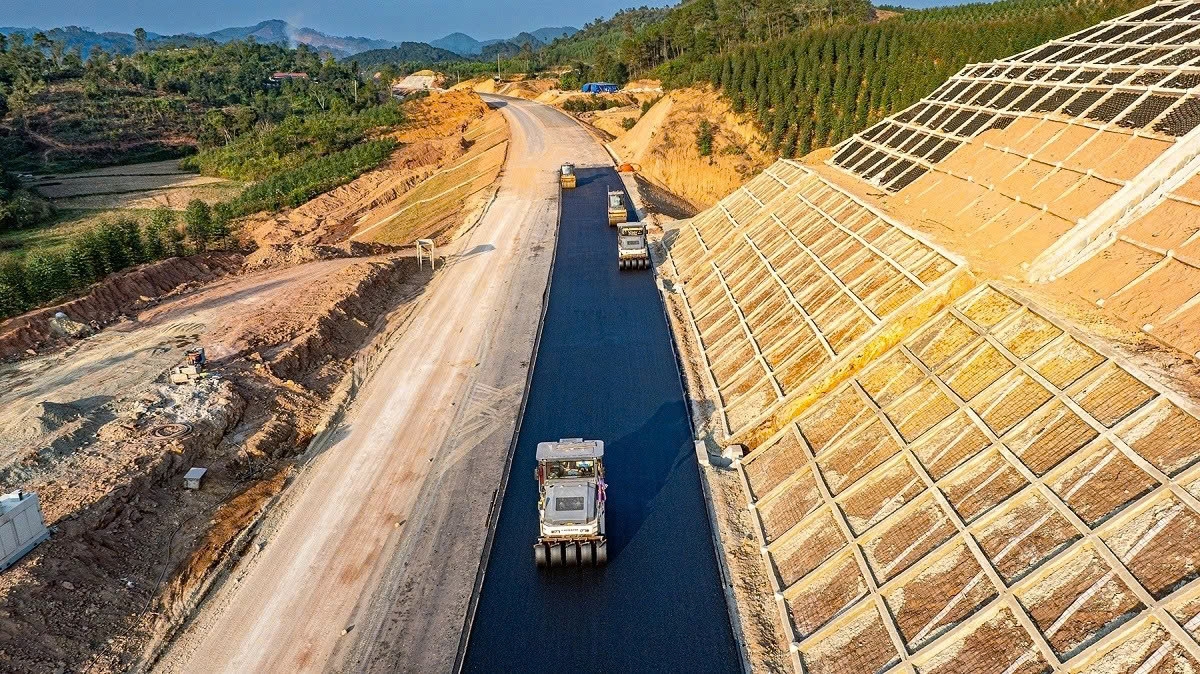
In early January 2026, Cao Bang, Thai Nguyen and Lang Son held their first regional coordination conference, identifying strategic infrastructure and expressway connectivity as key pillars of cooperation.
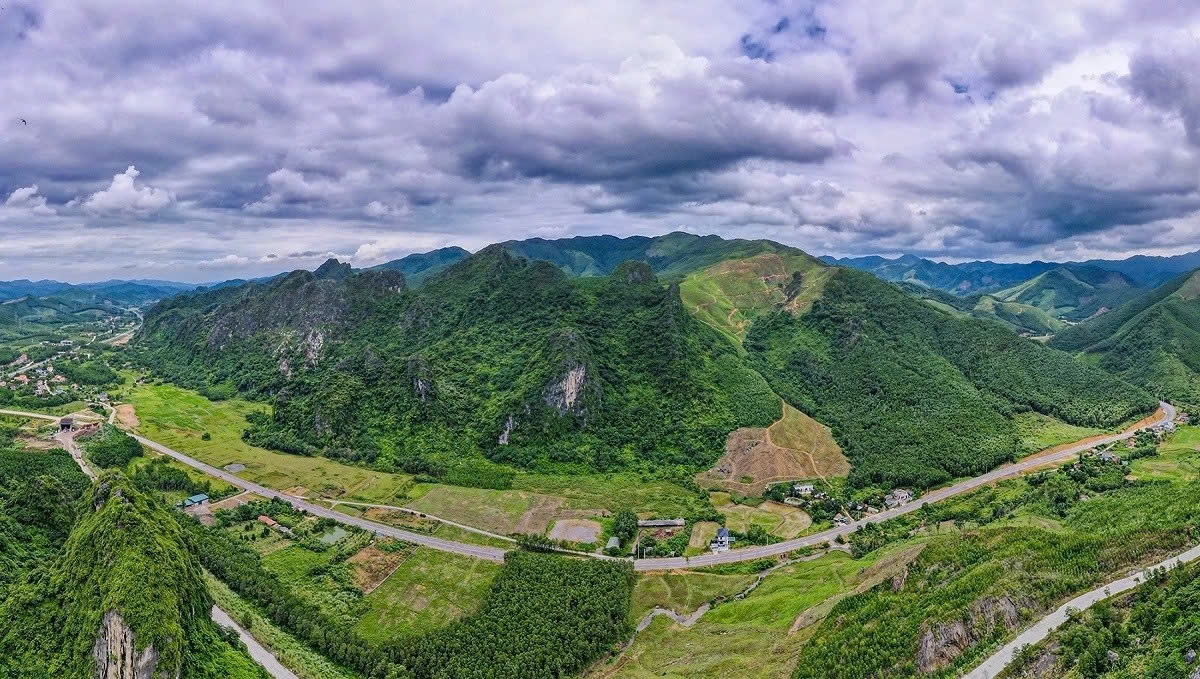
In the new term, infrastructure remains central to growth in Vietnam’s Northeast, with efforts focused on completing expressway networks, modernising border gates and supporting the national goal of double-digit GDP growth.
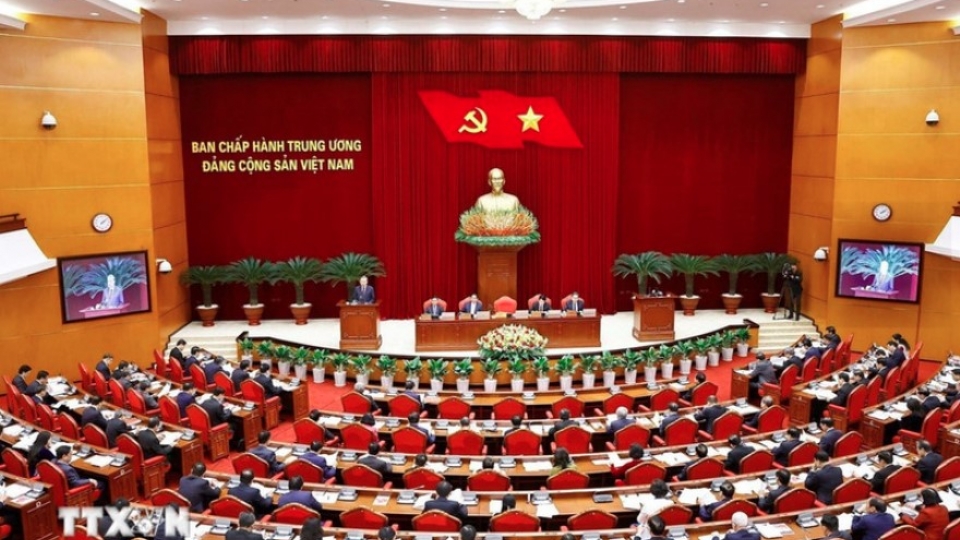
Hallmarks of 13th Party Congress term: From resilience in adversity to aspirations
As the 13th National Party Congress’s term concludes with historic milestones, the VNA interviewed Nguyen Hoa Binh, Politburo member, Permanent Deputy Prime Minister Nguyen Hoa Binh on the term’s achievements, orientations and key tasks to successfully bring the 14th National Party Congress’s Resolution to life.
Bình luận của bạn đang được xem xét
Hộp thư thoại sẽ đóng sau 4s