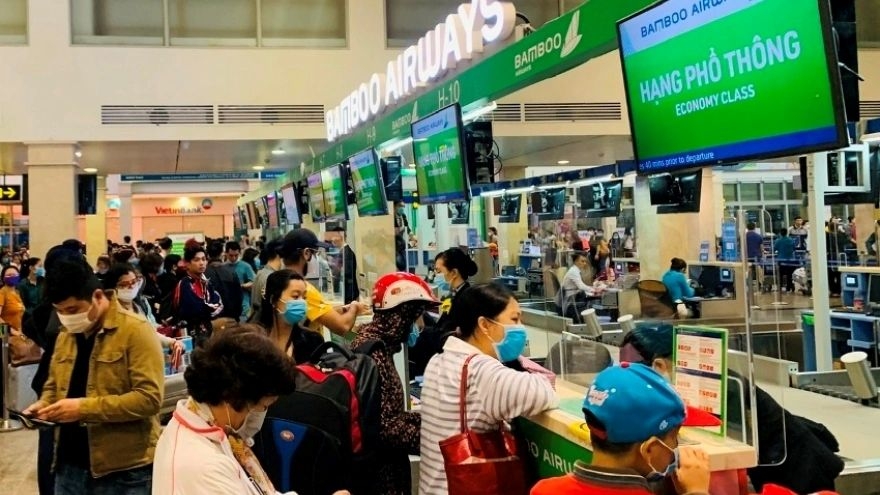
Rising oil prices and shipping costs from Middle East tensions add pressure to businesses

VOV.VN - Geopolitical tensions in the Middle East are pushing up oil prices and maritime freight rates, increasing cost pressure on businesses, particularly exporters and manufacturers that rely heavily on logistics and imported inputs.
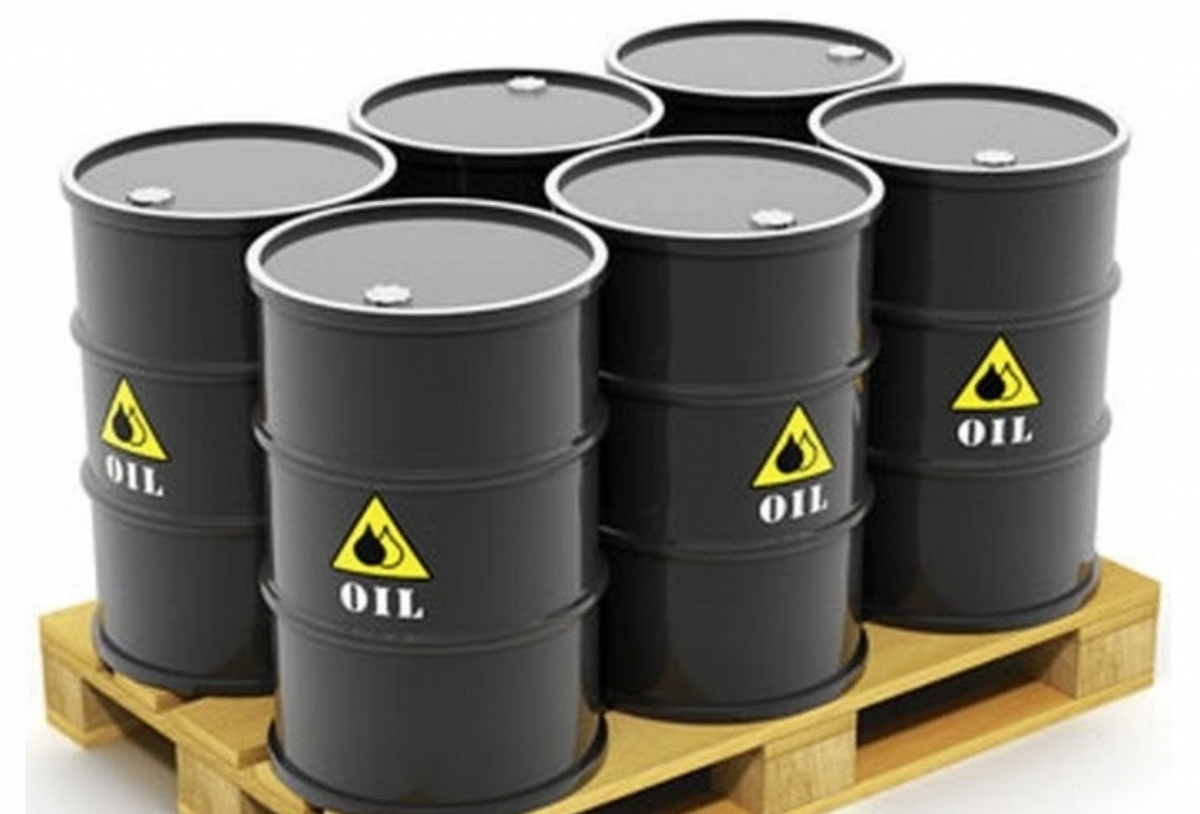
New wave of cost pressure for businesses
Escalating tensions in the Middle East are creating noticeable shifts in global energy and shipping markets. Oil prices and international freight rates have moved higher again, raising concerns about a new wave of costs for businesses, especially industries heavily dependent on logistics and imported raw materials.
In recent weeks, global energy markets have recorded a rise in oil prices as security risks in the Middle East intensify. The region holds large oil reserves and plays a key role in the global energy supply chain. Any disruption involving maritime security, oil transportation or extraction activities can quickly influence market sentiment and push energy prices higher.
The impact extends beyond the oil market. Regional tensions have also lifted international maritime transport costs. Several key shipping routes linking Asia with Europe and the Middle East have adjusted voyages or introduced risk surcharges, leading to higher cargo transport costs. On long-haul container routes, freight rates have edged up compared with the previous period, adding pressure on global supply chains.
For an open economy such as Vietnam, these developments can quickly affect production and business activity. Major export sectors including garments and textiles, wood products, seafood and electronics, all with high logistics costs, could face clearer impacts if shipping rates continue to climb. As transport costs rise, export prices are likely to move up, weakening competitiveness in international markets.
At the same time, many domestic manufacturing sectors that rely on imported inputs are facing higher cost pressure. Rising oil prices often translate into higher energy bills, greater machinery operating costs and more expensive transport of raw materials. This may narrow profit margins for businesses, particularly while global consumer demand is still recovering slowly and remains uneven.
Risks also bring opportunities
According to economic experts, the effects of oil prices and freight rates often spread along the supply chain. When logistics costs rise, the entire process, from importing raw materials to production, warehousing and distribution, is affected. If the trend persists, cost pressure may extend beyond businesses and feed into market prices.
However, the scale of the impact will depend on geopolitical developments and the stability of international shipping routes. If oil supply is not significantly disrupted and maritime transport remains secure, price changes may remain limited or temporary.
Economist Nguyen Quang Huy, CEO of the Faculty of Finance and Banking at Nguyen Trai University, said tensions involving the US, Israel and Iran are making global financial and commodity markets more sensitive than usual. Economies with a high degree of openness such as Vietnam are also affected.
“The impact currently mainly comes through three channels: energy prices, exchange rates and market sentiment. However, risks also bring opportunities if businesses adapt proactively,” Huy said.
According to Nguyen Quang Huy, instability in the Middle East often pushes oil prices higher because of concerns over supply disruptions. This leads to higher transport, logistics and production costs. If the trend continues, inflation pressure may return, affecting interest rates and consumption.
International capital also tends to move toward safe-haven assets, strengthening the US dollar in the short term and putting pressure on exchange rates in emerging markets.
Huy said businesses should assess the situation by sector, noting that flexibility is critical for import-export companies. Firms importing raw materials may face higher costs as oil prices and international freight rates edge up, while exporters need to closely monitor exchange rates and demand from major markets.
“Businesses should negotiate flexible pricing terms, use exchange-rate hedging tools when necessary, and diversify markets and supply sources to reduce dependence. In an uncertain environment, the ability to adjust supply chains will determine profit margins,” Huy said.
As external risks increase, it is essential for businesses to build response plans to manage cost fluctuations. Diversifying shipping routes, optimising supply chains, saving energy and raising the share of locally sourced inputs will help limit the impact of geopolitical shocks in global markets.
Notably, Prime Minister Pham Minh Chinh signed Decision No. 38 on March 4 establishing a task force to ensure energy security amid the complex developments of the military conflict in the Middle East. The decision took effect on the date of signing.
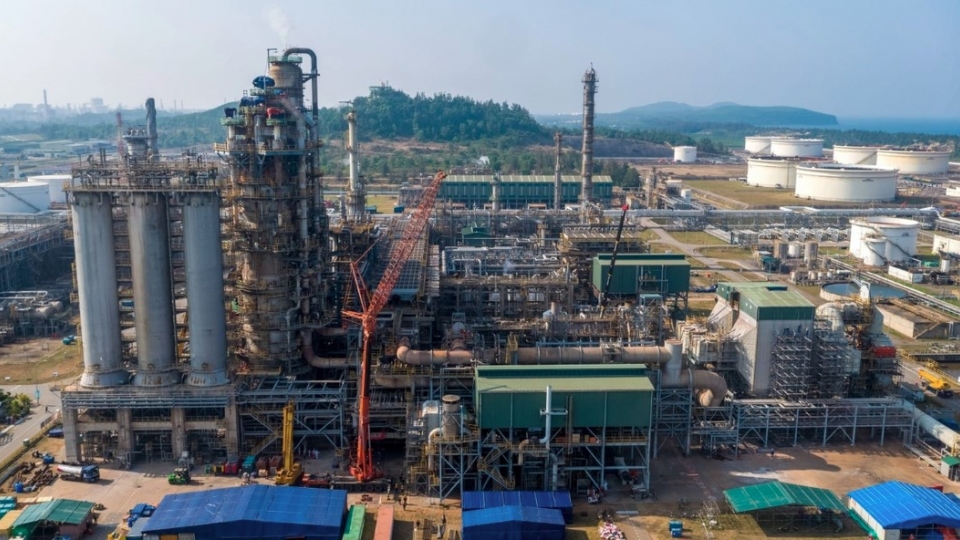
Middle East tensions threaten oil supply, Vietnam faces three economic scenarios
VOV.VN - Disruptions in the Strait of Hormuz, which carries about 20% of global oil supply, are rattling energy markets and raising concerns for import-dependent economies in Asia, with analysts warning Vietnam could face three economic scenarios if tensions in the Middle East persist.