Vietnam’s rising trade deficit: Warning sign or foundation for growth?

VOV.VN - Vietnam’s trade deficit widened sharply in the first four months of 2026 as imports surged alongside the recovery of manufacturing and exports.
Economists say the rise largely reflects stronger demand for machinery, components and raw materials as businesses expand production. However, growing dependence on the foreign-invested sector, rising input costs and exchange rate pressure continue to pose challenges for sustainable growth.
Imports surge alongside production recovery
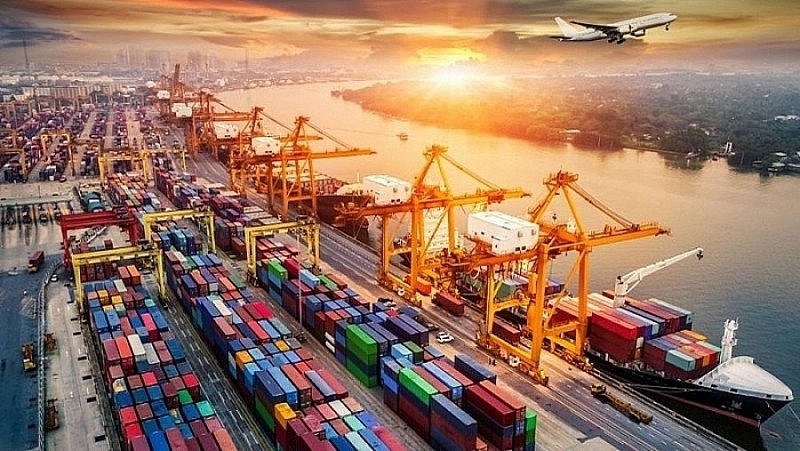
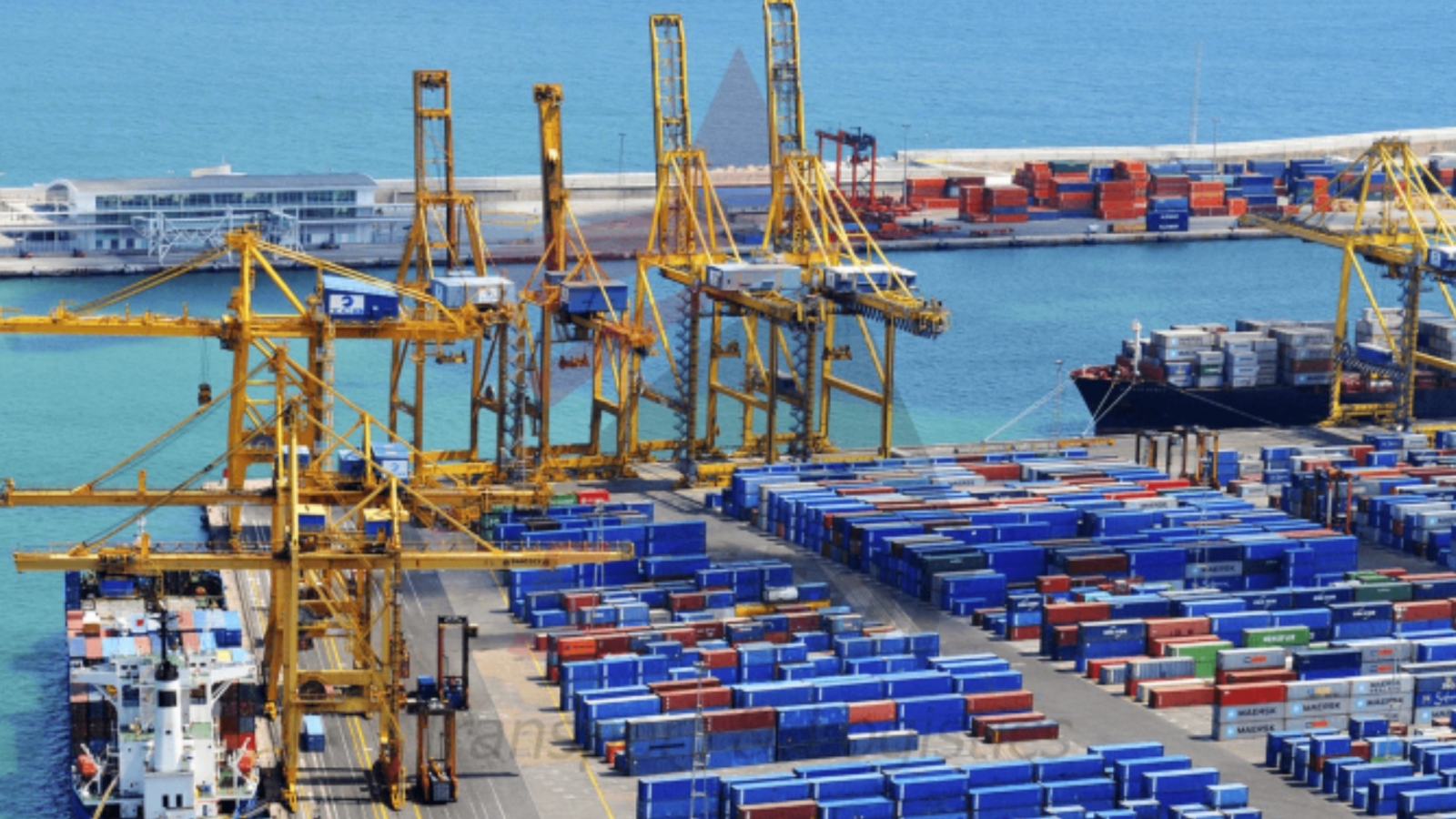
According to the National Statistics Office, Vietnam’s total import-export turnover in the first four months of 2026 was estimated at US$344.17 billion, up 24.2% compared to the same period last year. Exports rose by 19.7%, significantly exceeding the government’s full-year export growth target of around 15–16%.
Despite strong export growth, Vietnam’s return to a trade deficit has raised questions over whether the trend signals deeper economic risks. However, many analysts argue the increase should be viewed in the context of recovering industrial production and expanding investment activities.
The sharp rise in imports has mainly been driven by growing demand for machinery, equipment, and production materials among foreign direct investment enterprises.
Imports of electronic components, industrial machinery, energy products, and manufacturing inputs all recorded substantial increases during the first months of the year.
Tran Thanh Hai, deputy director of the Import-Export Department under the Ministry of Industry and Trade, said 2025 saw a strong wave of additional capital inflows into foreign-invested projects, while many companies are currently accelerating imports of machinery and equipment to build and expand factories.
Imports of electronic components increased by around 50% year on year, while machinery, equipment, and spare parts rose by 22%. Imports of energy products such as petroleum and fuel, along with animal feed materials, also posted strong growth.
Trade deficit reflects expectations for future growth
Dr. Le Duy Binh, director of Economica Vietnam, a private consulting and research firm, said the current trade deficit reflects businesses proactively stockpiling raw materials and production assets in preparation for a new manufacturing cycle.
“Rising import demand suggests that both domestic firms and foreign-invested enterprises expect stronger market recovery and production expansion in the coming months,” he remarked.
Vietnam’s economy grew by approximately 7.8% in the first quarter of 2026, creating momentum for businesses to increase imports of materials for manufacturing and exports.
As Vietnam remains heavily dependent on export-oriented manufacturing and processing industries, rising imports of production inputs are viewed as a predictable development accompanying stronger industrial activity.
Global risks add pressure to imports
Beyond production recovery, geopolitical instability and concerns over global supply chain disruptions are also influencing import behaviour.
Binh noted that tensions in the Middle East have increased logistics costs and energy prices, prompting many companies to expand raw material inventories to reduce the risk of future supply shortages. This has contributed to imports growing faster than usual in recent months.
Meanwhile, Associate Professor Dr. Nguyen Thuong Lang at Hanoi National Economics University, said Vietnam’s nearly 20% export growth in the first four months of 2026 reflects accelerating industrial activity and the country’s deeper integration into global supply chains.
According to him, the current trade deficit should not simply be interpreted as a sign of trade imbalance but also as evidence that businesses are preparing resources for stronger growth in the coming quarters.
Economists nevertheless caution that a prolonged trade deficit still poses significant risks to the economy. In a volatile global environment, exchange rate fluctuations, rising logistics expenses, and higher import costs could directly affect domestic production costs.
Associate Professor Dr. Nguyen Thuong Lang stressed that maintaining exchange rate stability will be especially important, warning that a sharp depreciation of the Vietnamese dong could significantly increase import costs and trigger imported inflation.
Experts say Vietnam needs to continue diversifying export and import markets, strengthening supporting industries, increasing localisation rates, and reducing dependence on imported materials to maintain sustainable trade growth.
Investment in core technologies, lower logistics costs, and improved risk forecasting capabilities will also play a crucial role in ensuring long-term trade balance stability.
Vietnam seeks sustainable trade growth
The Ministry of Industry and Trade of Vietnam said it will continue implementing measures to expand markets, maximise benefits from free trade agreements, and improve the competitiveness of domestic enterprises.
“Amid intensifying strategic competition among major powers and increasingly complex protectionist measures and technical barriers, Vietnam needs to make more effective use of key export markets such as the United States, China and the European Union, while also expanding into new potential markets,” Deputy Minister of Industry and Trade Nguyen Sinh Nhat Tan said.
According to the deputy minister, Vietnam should simultaneously strengthen its early warning capacity and proactively respond to trade remedy cases and origin fraud in order to protect the reputation and legitimate interests of Vietnamese exports.
He stressed that maximising the benefits of the free trade agreements (FTAs) that Vietnam has signed, alongside fully and effectively implementing international commitments, will remain a key driver for long-term trade growth.
“At the same time, Vietnam should continue studying and promoting negotiations for new FTAs and trade agreements to expand market space and create additional momentum for sustainable growth,” the trade official said.
He also highlighted the importance of accelerating digital transformation, e-commerce development and logistics modernization.
Cross-border e-commerce exports are opening up new distribution channels, particularly for small and medium-sized enterprises (SMEs), while the implementation of a new logistics development strategy, trade facilitation measures, administrative reform and digitalised management systems for licensing and certificates of origin will help reduce costs and improve national competitiveness, he added.
The latest trade data suggests Vietnam’s manufacturing and export sectors are recovering strongly. While the current trade deficit may reflect rising demand for production expansion and preparation for a new growth cycle, analysts say Vietnam will need to strengthen domestic production capacity, reduce dependence on imported inputs, and deepen participation in global value chains to sustain long-term growth.
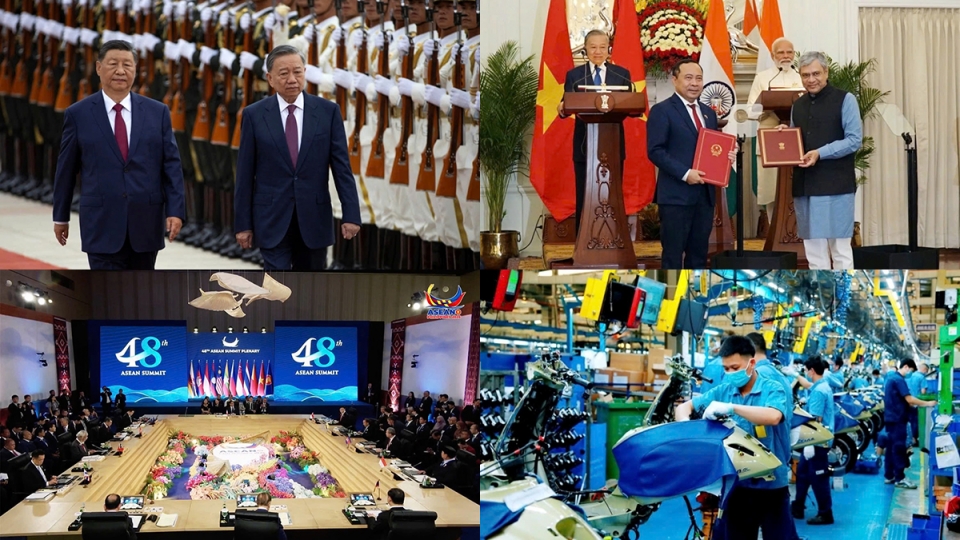
Why Vietnam is becoming an increasingly important global partner
VOV.VN - Vietnam’s rapidly expanding network of comprehensive strategic partnerships and growing role in multilateral institutions are highlighting the country’s rising international position at a time of deep geopolitical competition and global supply chain restructuring.