Vietnam's May PMI reaches its highest since February

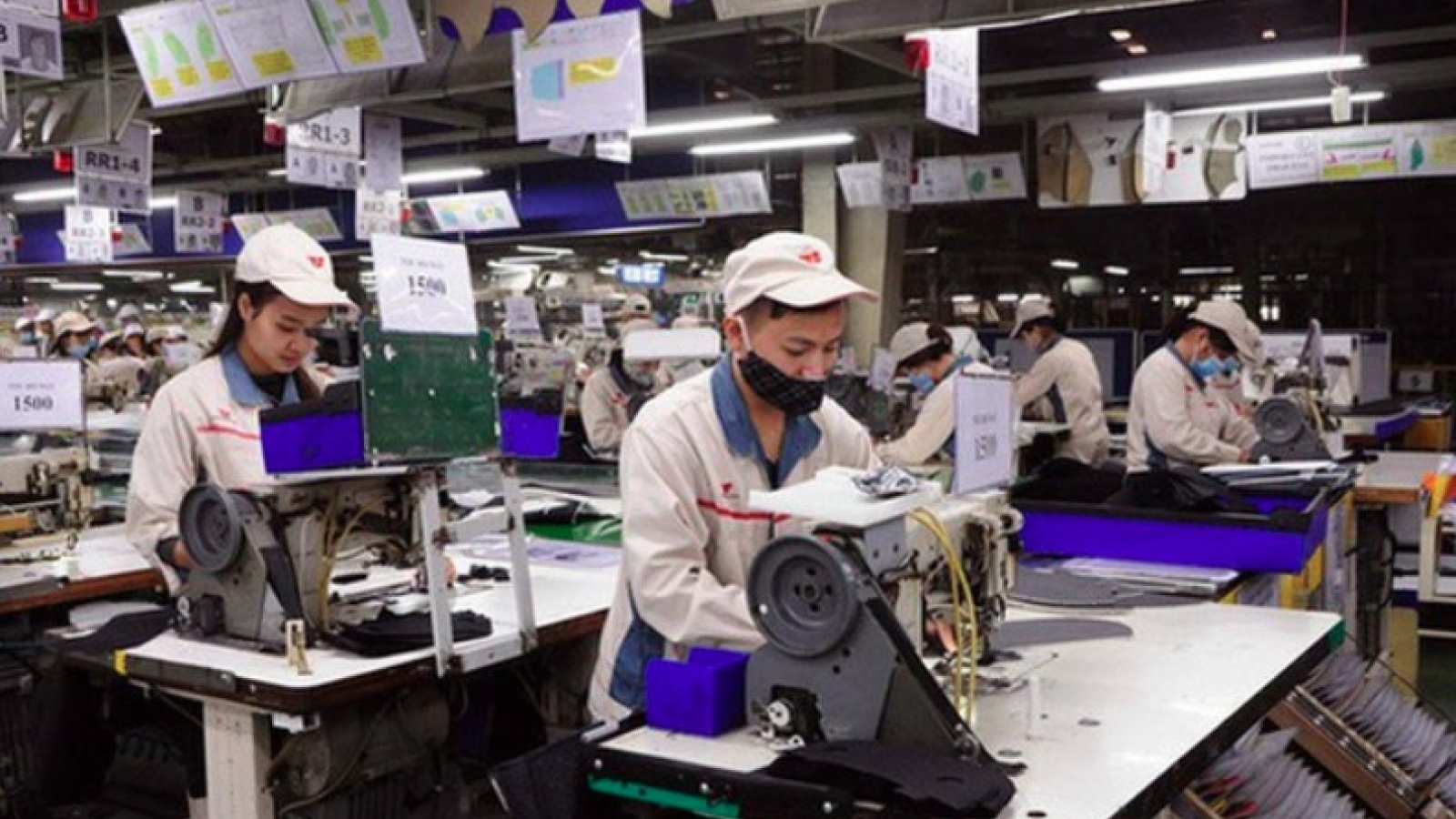
VOV.VN - Vietnam's Manufacturing Purchasing Managers’ Index (PMI) rose to 52.8 in May, up from 50.5 in April and reaching its highest since February.
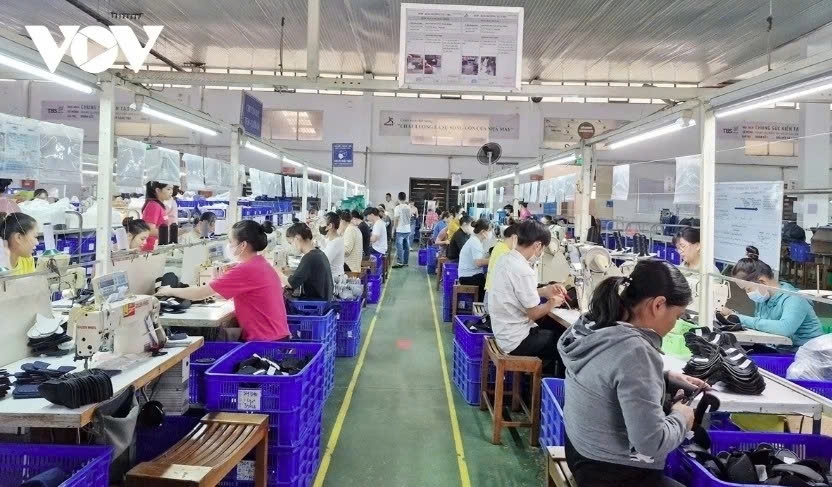
According to S&P Global, part of the growth was driven by efforts to stockpile goods amid concerns about disruptions due to the Middle East conflict.
The solid overall improvement in business conditions was the eleventh in as many months.
A return to growth of new orders in May helped the Vietnamese manufacturing sector to expand midway through the second quarter of 2026. At least part of the increase was due to safety stock building at customers due to the Middle East conflict causing steep price rises and supply-chain delays.
Similarly, stockpiling efforts also encouraged manufacturers to raise their own purchasing activity. Despite the improvements in new orders and output, firms continued to scale back their workforce numbers amid evidence of continued spare capacity.
After having fallen modestly in April, new orders returned to growth in May, increasing markedly and to the largest degree in three months. To some extent, the rise in new business reflected safety stock building among customers amid worries of the effects of a prolonged conflict in the Middle East.
A renewed increase in new export orders was also recorded, ending a two-month sequence of decline. Here though, the pace of expansion was only marginal, as high transportation costs and logistics issues limited international demand.
Renewed growth of new orders was matched by a marked expansion of manufacturing production in May. Output rose for the thirteenth successive month, and at the fastest pace since February. Stockpiling efforts were also evident among manufacturers as purchasing activity increased for the first time in three months, and at a solid pace.
Andrew Harker, economics director at S&P Global Market Intelligence, noted that despite a renewed rise in new orders in May, recent demand weakness meant that firms still had sufficient capacity to handle incoming business and work through backlogs. As a result, outstanding business decreased for the second month running.
Confidence in the year-ahead outlook for production improved to a three-month high in May amid hopes for an increase in new orders and business expansion plans. Sentiment remained relatively muted, however, reflecting concerns about the ongoing impact of the Middle East conflict, he shared.
Vietnam PMI falls to seven-month low but remains in growth territory
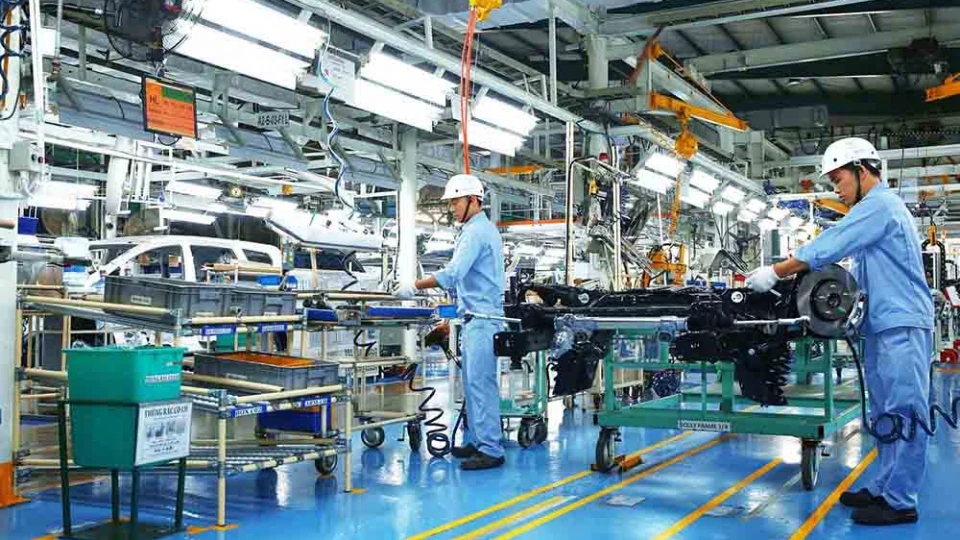
VOV.VN - Vietnam’s Manufacturing Purchasing Managers’ Index (PMI) dropped to a seven-month low of 50.5 in April from 51.2 in March, signaling a tenth consecutive, albeit marginal, improvement in overall business conditions.