Vietnamese exports face 21 new trade defence cases across 11 markets

VOV.VN - Vietnamese exports confronted 21 new foreign trade defense investigations in 2025 from 11 overseas markets, reflecting growing scrutiny as the country’s manufacturing and export capacity continues to expand, according to the Trade Remedies Authority of Vietnam (TRAV).
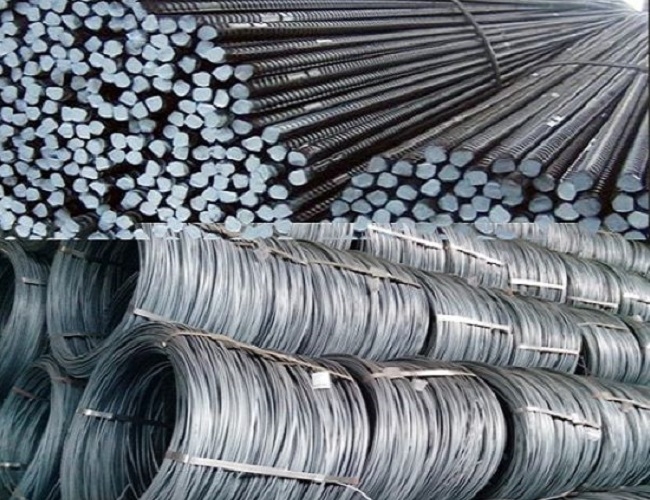
The United States was the most active investigating country, launching seven cases duing the year, said the TRAV. Steel products were the most heavily targeted, facing nine new cases, representing 43% of all investigations initiated.
At the same time, several countries also introduced new measures tightening steel imports. Statistics show the US sharply raised tariffs, up to 232%, while Canada imposed import quotas and out-of-quota tariffs. Mexico strengthened requirements for registering eligible steel producers, India added stricter standards for input materials, and the European Union proposed tougher rules to replace its global steel safeguard measures.
By the end of 2025, Vietnamese goods had been subject to a cumulative 298 trade defence investigations initiated by 25 countries and territories,
Despite rising trade barriers, Vietnam’s total merchandise exports exceeded US$470 billion in 2025, up nearly 16% from 2024. For the first time, computers, electronics, and components surpassed the US$100 billion mark, becoming the country’s largest export category.
Other major export earners are machinery, equipment, tools, and spare parts (US$58 billion, up 12%); telephones and components (US$57 billion, up 6.6%); textiles and garments (US$39 billion, up 5.6%); footwear (US$24 billion, up 5.2%); transport vehicles and parts (US$17.3 billion, up 14%); and wood and wood products (US$17 billion, up 4.5%).
Authorities noted that Vietnamese industries and exporters have become significantly more resilient in dealing with trade defence actions. Companies are now more proactive in responding to foreign investigations, while closer coordination with state agencies has helped secure tariff reductions or exemptions in several cases.
Notable outcomes included Canada’s conclusion that semi-trailers imported from Vietnam did not circumvent anti-dumping duties; the EU granting a 0% tariff to a major Vietnamese producer in its anti-dumping investigation into hot-rolled steel; and Malaysia lifting anti-dumping duties on cold-rolled steel coils from Vietnam following a final review.
In the US, eligible Vietnamese exporters benefited from a 0% duty rate in the 20th administrative review of anti-dumping duties on pangasius fish, with some companies having duties fully removed.
Other favourable decisions included Canada’s preliminary finding of no export monopoly in Vietnam’s flat-rolled steel market, South Africa excluding Vietnam from its safeguard investigation on corrosion-resistant steel coils, and the US sharply reducing preliminary anti-dumping duties on Vietnamese honey from as high as 156.96% to a range of between 6.72% and 21.55%.
To better support exporters and reduce the risk of future investigations, the TRAV is closely monitoring export trends for more than 422 products across 10 markets that frequently apply trade remedies, including the US, EU, India, Canada, Australia, Mexico, Indonesia, Thailand, Malaysia, and Turkey.
Based on this monitoring, authorities identified 27 product groups at heightened risk of trade safeguard investigations, including probes into safeguard circumvention, origin fraud, and illegal transshipment. The assessment is intended to give ministries, local governments, and businesses early warning, helping them prepare in advance rather than react after foreign trade defense measures are imposed.
Vietnamese exports struggle amid growing trade defence barriers
VOV.VN - Vietnamese exports are increasingly facing technical barriers as the European Union has recently adopted stricter standards, requiring businesses to equip themselves with thorough knowledge of new regulations and proactively enhance their production capacity.