Vietnam steps up drive to strengthen private sector as growth engine

VOV.VN - Vietnam is intensifying efforts to develop its private sector as a central engine of economic growth, as the government pushes forward deep institutional reforms and investment mobilisation to navigate mounting global and domestic challenges.
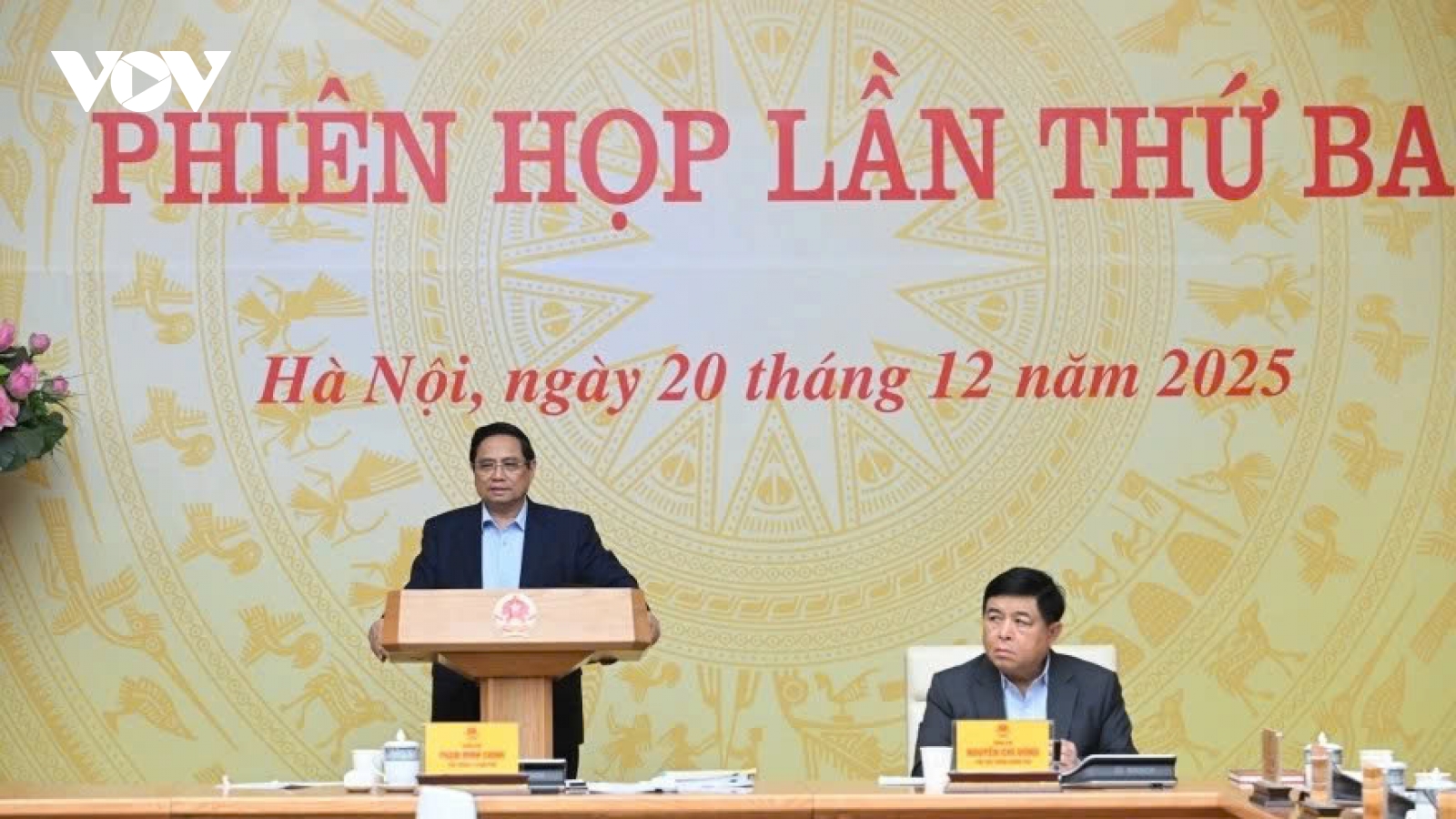
According to a Notice issued by the Government Office on January 5, Prime Minister Pham Minh Chinh concluded the third meeting of the National Steering Committee for implementing the Politburo’s Resolution No. 68-NQ/TW on private sector development by reaffirming the government’s determination to make the private sector one of the most important drivers of the national economy.
After nearly eight months of implementation, awareness of the private sector’s role has strengthened across ministries, localities and the business community. All government agencies and provinces have adopted action plans with clearly assigned responsibilities, timelines and expected outcomes, signaling a shift from policy intent to concrete execution.
The private sector has continued to make significant contributions to economic growth, exports and imports, innovation and digital transformation, while also playing a growing role in social welfare. In 2025, more than 300,000 enterprises were newly established or returned to operation, up over 30% from a year earlier. Total registered capital exceeded VND6 quadrillion, an increase of more than 70% compared with 2024, reflecting improving business confidence.
Private investment has emerged as a dominant force in national development. Of the 564 projects launched or completed nationwide in 2025, with total investment exceeding VND5.14 quadrillion, equivalent to roughly 40% of the country’s GDP, private capital accounted for nearly three-quarters. The government said this highlighted its role in activating and mobilising social resources rather than replacing market forces.
The government is pressing ahead with strategic reforms aimed at easing regulatory burdens, improving infrastructure connectivity and upgrading human resources and governance capacity. The Prime Minister stressed that trust between the state and the business community must be built through action, insisting that commitments be translated into measurable and substantive results that reduce costs and raise productivity.
At the same time, authorities also acknowledged that implementation of Resolution 68 has faced constraints. In some sectors and localities, administrative reform has lagged behind targets, decentralization has been incomplete, and coordination among agencies has remained uneven. Several support measures, including those related to taxation, credit access and production land, have yet to be fully institutionalized.
Smaller enterprises and household businesses continue to face structural challenges, while progress in developing large private corporations capable of integrating deeply into global value chains has been slower than expected, the government said.
Looking ahead, 2026 is positioned as a critical year for translating reform commitments into tangible outcomes. Ministries have been instructed to issue detailed guidelines in the first quarter on support policies for private businesses, covering access to land, finance, technology, digital transformation, management training and international market expansion.
The government has also pledged to further streamline administrative procedures and business conditions, shifting from pre-approval mechanisms toward stronger post-inspection and eliminating practices that increase compliance costs. Localities have been told to maintain close engagement with enterprises and ensure effective operation of the two-tier local government system, while businesses are encouraged to work alongside the government toward shared national objectives.
Vietnam holds that developing a strong and resilient private sector is not only an economic priority but a strategic necessity, as the country seeks to enhance competitiveness, strengthen economic autonomy and move confidently into a new phase of development amid an increasingly uncertain global landscape.
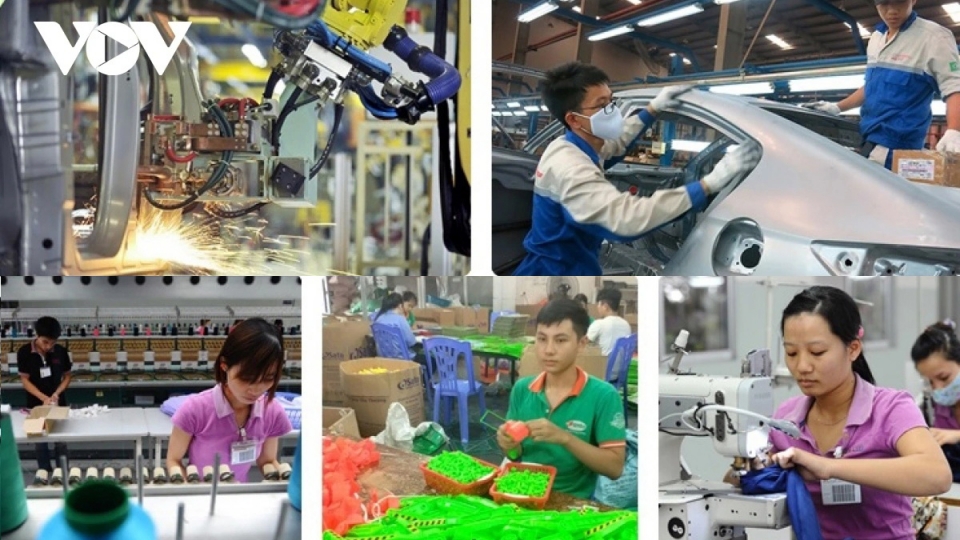
Private sector participation in supply chains - Key to sustainable export growth
VOV.VN - To achieve sustainable export growth, Vietnam must boost the role of domestic private enterprises in supply chains to leverage opportunities from multinational corporations and reduce reliance on foreign direct investment (FDI ) businesses.