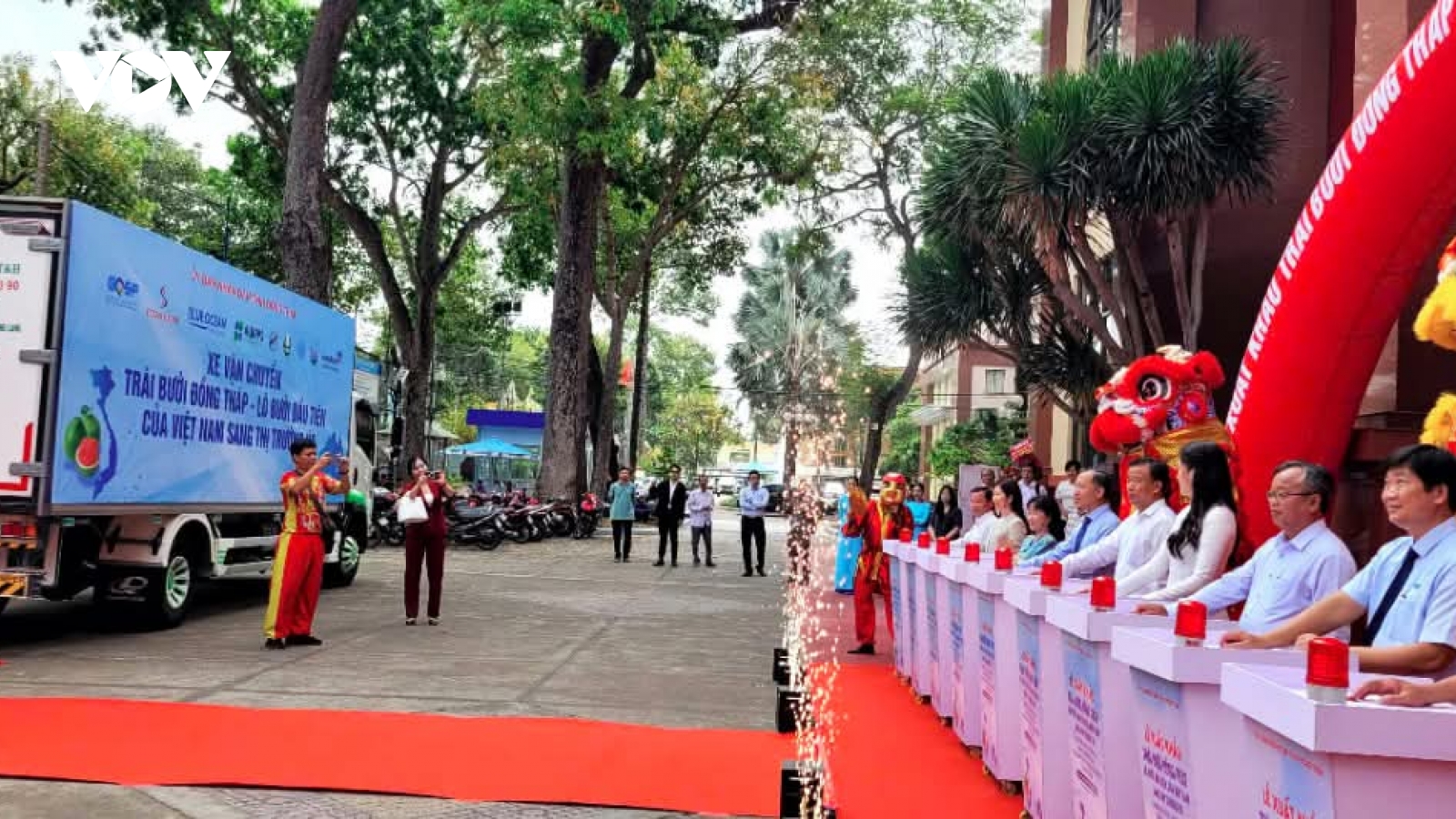
Vietnam signs protocol to export pomelo, lemon to China

VOV.VN - Vietnam’s Ministry of Agriculture and Environment (MoAE) and China’s General Administration of Customs (GACC) have signed a protocol on phytosanitary requirements for the export of pomelo and lemon from Vietnam.
The document was inked in Beijing on April 15 during the state visit of Party General Secretary and President To Lam. It marks the outcome of technical negotiations that began in 2019, reflecting close coordination between the two sides in aligning quarantine standards and facilitating official, transparent and internationally compliant trade.
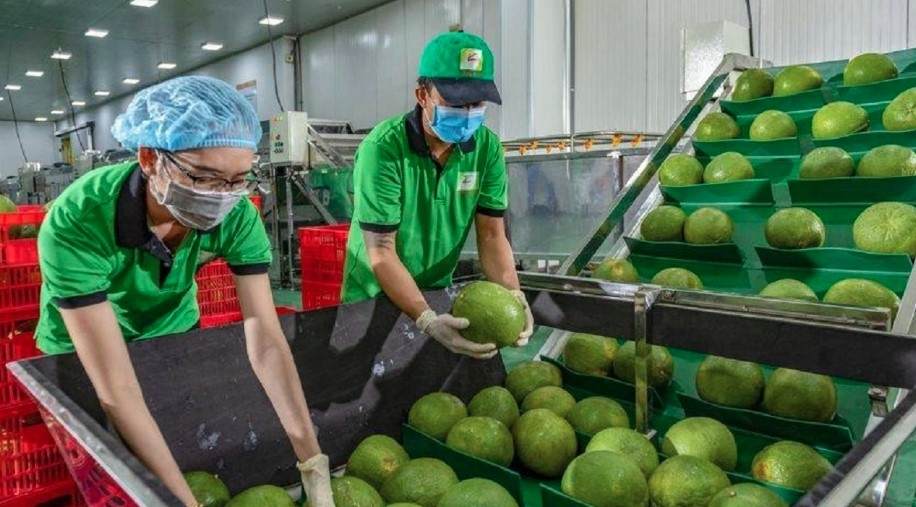
Under the protocol, all growing areas and packing facilities for exported pomelo and lemon must be registered with the MoAE and approved by the Chinese side. Production areas are required to apply Good Agricultural Practices (GAP) and Integrated Pest Management (IPM), along with strict pest control measures such as fruit bagging at least 60 days before harvest and the use of fruit fly traps.
Packing facilities are also required to meet strict requirements, including solid flooring, hygienic conditions, and clearly separated functional zones for processing, treatment, and storage. During packaging, products must be carefully selected, graded, and cleaned, with the removal of diseased, damaged, or misshapen fruit, as well as branches, leaves, soil, and other plant debris.
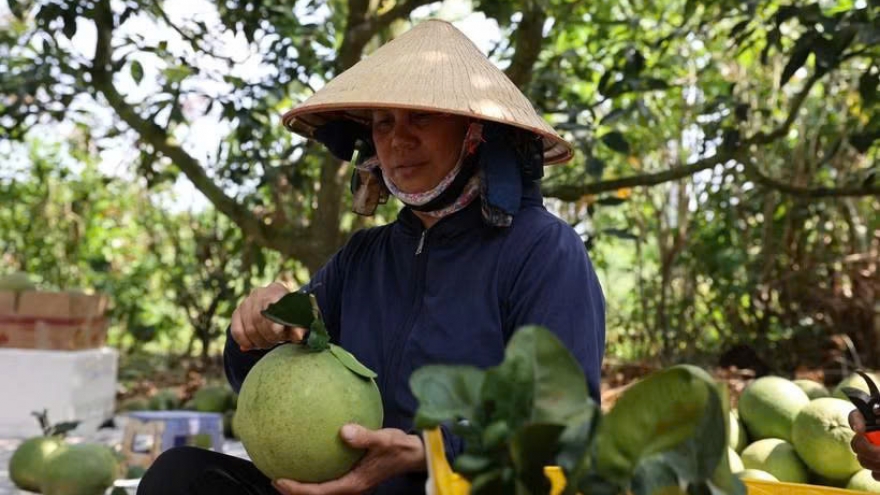
Pomelo and lemon are among Vietnam’s key fruit products with strong competitive advantages. The country currently has around 106,000 hectares of pomelo cultivation, placing it among the world’s major producers. Large-scale production areas have been established and continue to expand in provinces and cities such as Hanoi, Phu Tho, Tuyen Quang, Vinh Long, Dong Nai and Dong Thap.
In addition, several specialty pomelo varieties such as Dien, Phuc Trach, Doan Hung, Nam Roi, and Da Xanh, have been developed with high yields and strong market suitability, contributing to improved economic returns for growers.
China has been identified as a key market, with large consumption capacity and rising demand for Vietnamese fruit. Building on the success of other agricultural products already exported through official channels, pomelos and lemons are considered to have strong potential, aligning with consumer trends and gaining increasing popularity among Chinese consumers.
In the coming period, the MoAE will continue to coordinate with local authorities, associations, businesses, and producers to effectively implement the protocol.
The implementation of the protocol is expected not only to expand export opportunities for Vietnamese pomelo and lemon but also to lay the groundwork for further negotiations to open the Chinese market to other potential agricultural products, thereby diversifying export markets and enhancing the global standing of Vietnamese agriculture.
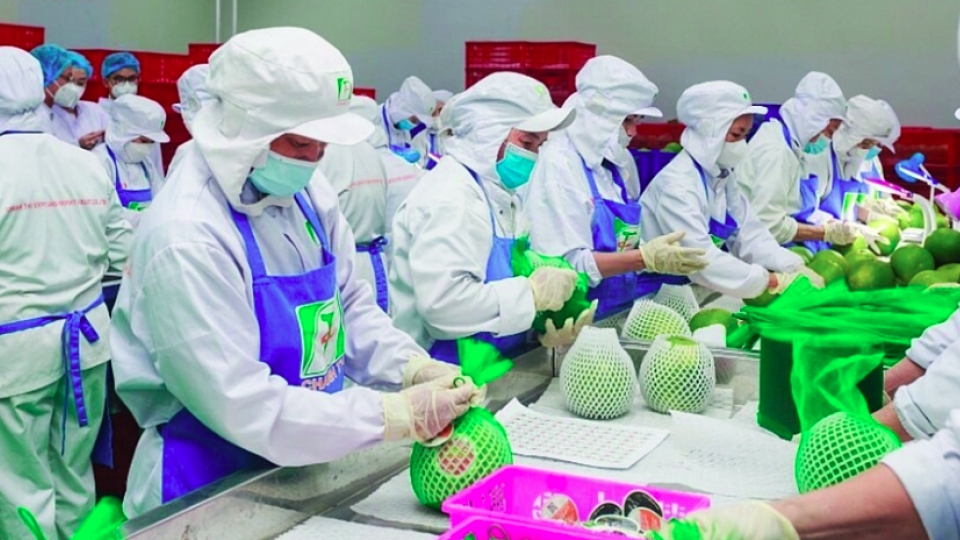
Vietnamese pomelo gains official entry to Australian market
VOV.VN - The Plant Production and Protection Department under the Ministry of Agriculture and Environment in collaboration with the Australian Embassy in Vietnam held a ceremony on October 9 to announce the official export of Vietnamese pomelo to Australia - a significant milestone in the country’s agricultural trade.