Vietnam set to retain strong FDI inflows in 2026 on macro stability

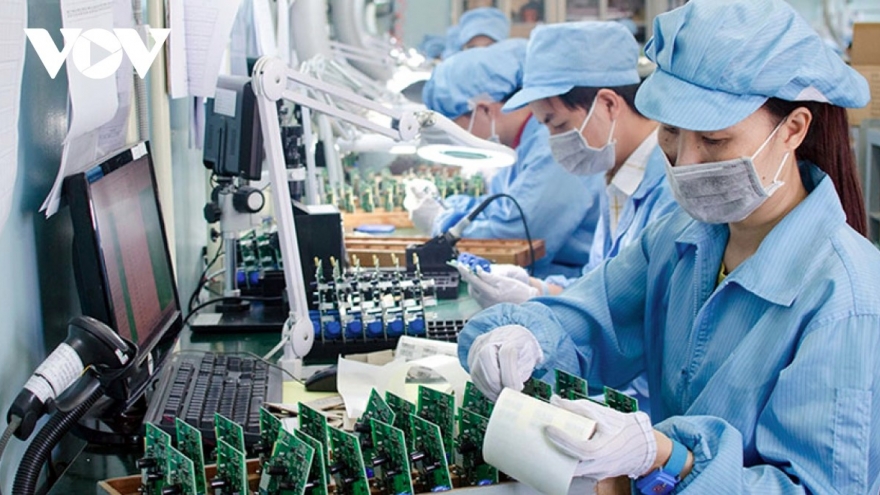
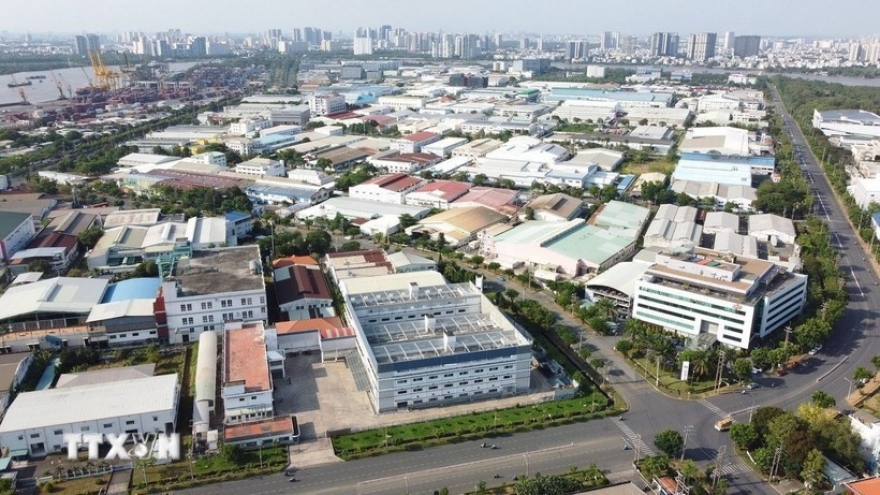
VOV.VN - Vietnam is expected to maintain solid foreign direct investment (FDI) inflows in 2026, backed by macroeconomic stability, strong long-term growth potential, and its expanding role in global supply chains, according to economists.
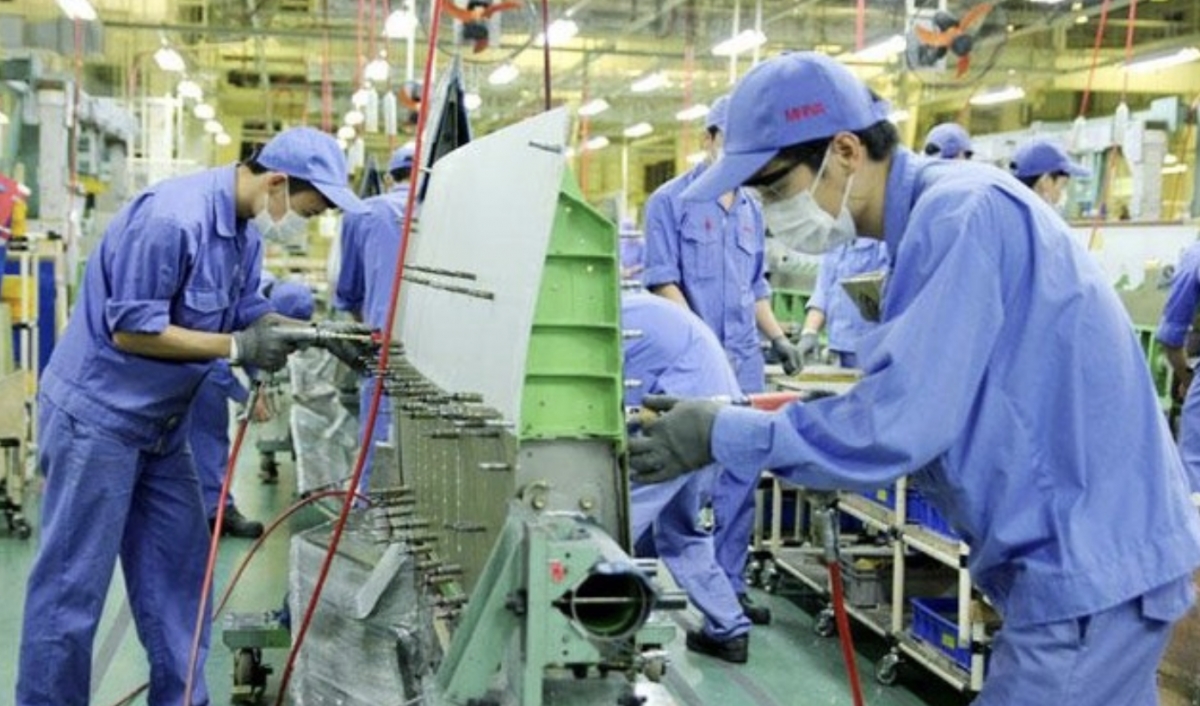
At the recent macroeconomic forum titled “Data Talk | Macro Insight”, Tran Ngoc Bau, Founder and CEO of WiGroup said Vietnam’s outlook for international investment persists firmly positive heading into 2026.
According to Bau, FDI into Vietnam can broadly be divided into two categories - short-term, yield-seeking inflows sensitive to interest rate differentials, and long-term investments driven by growth potential, political stability and Vietnam’s improving regional position.
For speculative capital, the main risks are negative interest rate differentials and domestic geopolitical uncertainty. These risks are expected to ease significantly by 2026, paving the way for a gradual return of short-term flows, he explained.
Simultaneously, businesses with long-term investment capital inflows continue to view Vietnam as an appealing destination thanks to the country’s stable political environment, consistent economic growth, strong social consensus, and competitive tax incentives.
Bau emphasised that the slowdown in newly registered FDI in the second half of 2025 should be seen as temporary. Over the medium to long term, Vietnam’s ability to compete for global capital stays intact.
Echoing this assessment, Nguyen Duc Hai, CFA Director, Head of Fixed Income at Manulife Asset Management (Vietnam) highlighted the influence of global geopolitics on investment trends.
He pointed out that growing polarization and decoupling between the US and China are accelerating supply chain realignments. As the US seeks alternative sources to meet its substantial import demand, Vietnam stands out as a viable and attractive option.
Beyond its strategic role in supply chains, Hai stated that Vietnam has earned additional credibility through its cooperative stance with the US, compliance with new regulatory requirements, openness to trade, and improved transparency in export activities. These factors help build trust with major partners and lay the groundwork for capital inflows from a broader range of countries.
Vietnam is among a small group of countries in the region with strong commitments to free trade and investment, having signed 17 free trade agreements, he said.
He added that foreign investors choosing Vietnam are not only targeting its domestic market but also its ability to access global markets through manufacturing capacity and deep trade integration. A young population and abundant labour supply over the next 10 to 15 years would further reinforce Vietnam’s investment appeal.
While short-term capital flows may remain volatile, Hai noted they are not a policy priority due to potential risks to exchange rate and financial market stability, whereas long-term FDI still has room for sustained growth.
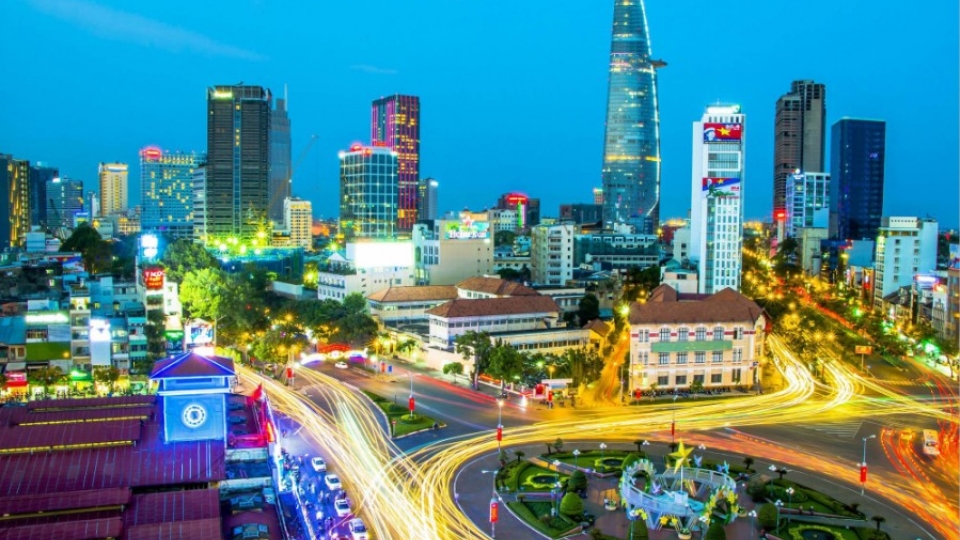
FDI inflows gain momentum in Vietnam’s southern key economic region
VOV.VN - Foreign direct investment (FDI) inflows into Vietnam’s southern key economic region are expected to continue gaining momentum as a host of strategic infrastructure projects near completion, opening up a new growth cycle for the region.