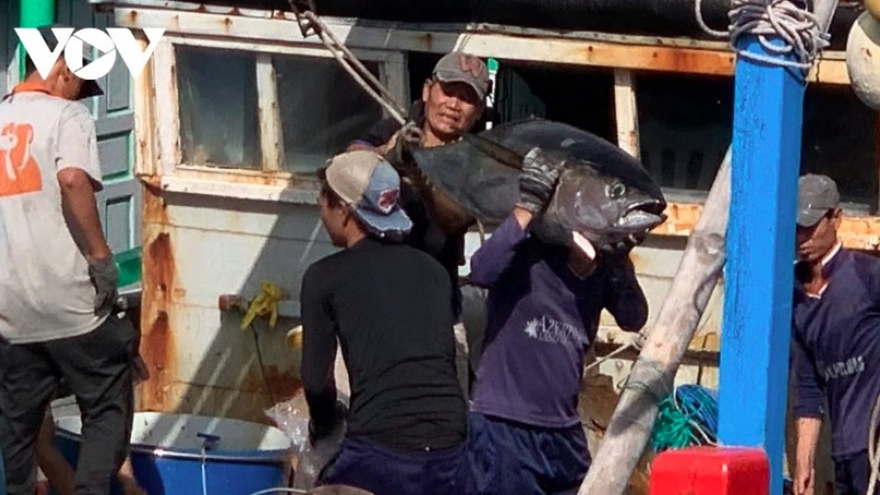
Vietnam set to expand tuna market share in Netherlands through EVFTA and green production

VOV.VN - Strong tuna demand and growing preference for sustainable products in the Netherlands are creating major opportunities for Vietnamese exporters.

Frozen tuna and loins dominate the market
According to the Vietnam Association of Seafood Exporters and Producers (VASEP), the Dutch tuna market has recorded a clear upward trend in imports over the past three years, signaling a strong recovery in seafood consumption in the country, widely regarded as a key gateway to Europe. Data from the International Trade Centre (ITC) show that the Netherlands’ tuna imports over the eight-month period of 2025 rose 24% year on year, indicating that import demand continues to expand.
Notably, consumption of tuna certified under the Marine Stewardship Council (MSC) scheme has also increased sharply, reaching more than 10,900 tonnes in 2023 and 2024, mainly skipjack tuna products. This trend highlights a shift among European consumers toward seafood sourced through sustainable fishing practices, with transparent traceability and strict compliance with environmental standards.
Against this backdrop, Vietnam, one of Asia’s key tuna suppliers, has maintained its presence in the Dutch market, particularly in frozen tuna and tuna loin products. Over recent years, many Vietnamese exporters have continued shipping steadily to the Netherlands, helping preserve the country’s position on the EU’s tuna supply map.
Growth remains below expectations
In reality, however, Vietnamese tuna exports to the Netherlands have not achieved the growth originally anticipated. In recent years, despite the tariff preferences offered by the EU-Vietnam Free Trade Agreement (EVFTA), export turnover has at times declined in both volume and value, with canned tuna products posting the most visible contraction.
This has largely stemmed from rising shipping costs, prompting European importers to reduce shipments routed through Dutch ports in favor of direct sourcing from suppliers offering more competitive pricing.
At the same time, competition has intensified from Ecuador, the Philippines and Mauritius, which hold advantages or preferential tariffs in the processed and canned tuna segment, narrowing Vietnam’s market share in the Netherlands. Meanwhile, tightening requirements on sustainability certification, production transparency, traceability and EU food safety standards are adding increasing pressure on domestic exporters.
“Nevertheless, opportunities for Vietnam remain substantial. Demand for frozen tuna loins, yellowfin tuna and fillet products is currently rising in the Netherlands. These are segments where Vietnam has long-established strengths, particularly in deep processing capacity, stable product quality and the ability to handle large-volume orders. If Vietnamese companies accelerate their transition toward sustainable production models, expand adoption of certifications such as MSC, upgrade cold-chain preservation technologies and optimize logistics costs, their competitive edge in the Dutch market will improve markedly,” VASEP said.
Positive outlook from the Dutch market
VASEP also stated that prospects for the coming year indicate that Dutch tuna imports are likely to continue climbing as consumers increasingly favor convenient, ready-to-prepare products with environmental certification. Demand from retail chains, restaurants and ready-meal producers in the Netherlands is rising and is expected to expand further over the next one to two years.
This suggests that Vietnam can fully increase its market share with an appropriate strategy, particularly in the frozen tuna segment, where Vietnamese exporters already maintain a relatively solid market position.
Without changing existing approaches or securing stable domestic raw material supplies, Vietnam will struggle to remain competitive in the EU tuna supply race. However, with proactive technological upgrading, higher value-added processing, effective use of EVFTA preferences and stronger compliance with sustainability standards, prospects for regaining market share in the Netherlands remain wide open.
“In a market that is restructuring toward greater transparency, quality and sustainability, Vietnamese enterprises must seize this new momentum early to avoid being left behind. For the tuna industry, which generates hundreds of millions of US dollars in annual export value, the Netherlands is not only a consumer market but also a crucial gateway for Vietnam to achieve its greater penetration of the EU market,” VASEP said.
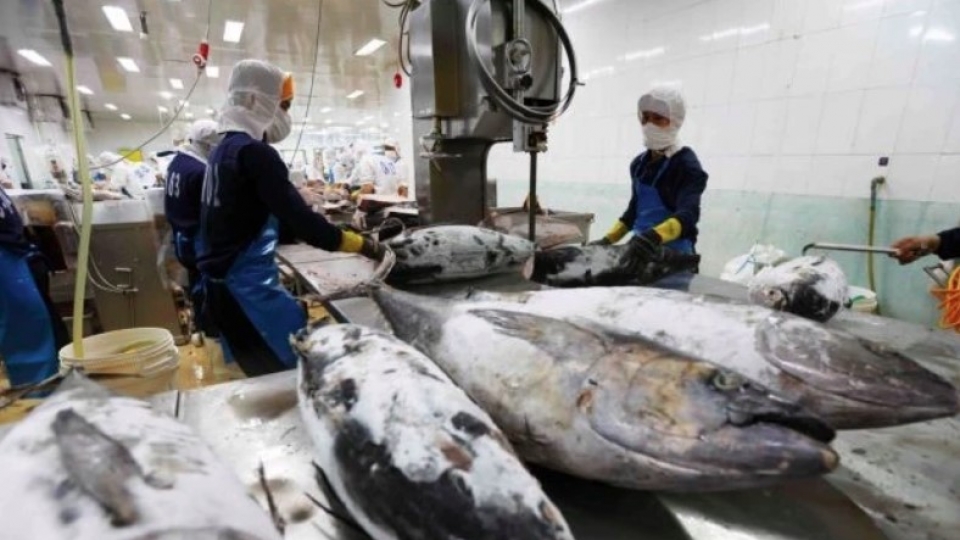
Tuna exports hit record high but face major regulatory barriers
Despite having achieved a record export sales figure in February, Vietnam's tuna industry faces significant regulatory challenges from its key import markets such as the EU and the US, according to the Vietnam Association of Seafood Exporters and Producers (VASEP).
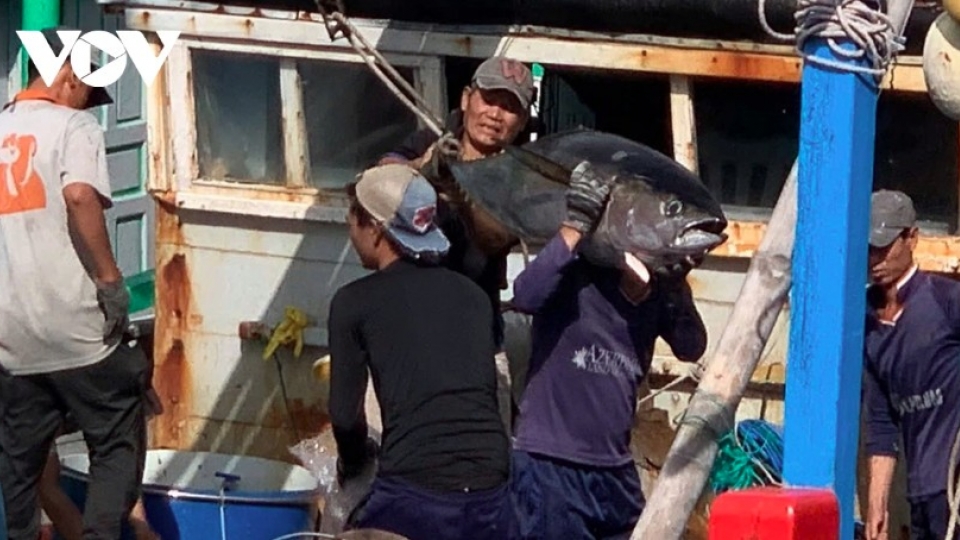
Tuna export turnover hits peak in May 2025
VOV.VN - Vietnam’s tuna export turnover reached a new peak in May 2025, hitting over US$90 million, the highest monthly figure since the beginning of the year, according to the Vietnam Association of Seafood Exporters and Producers (VASEP).