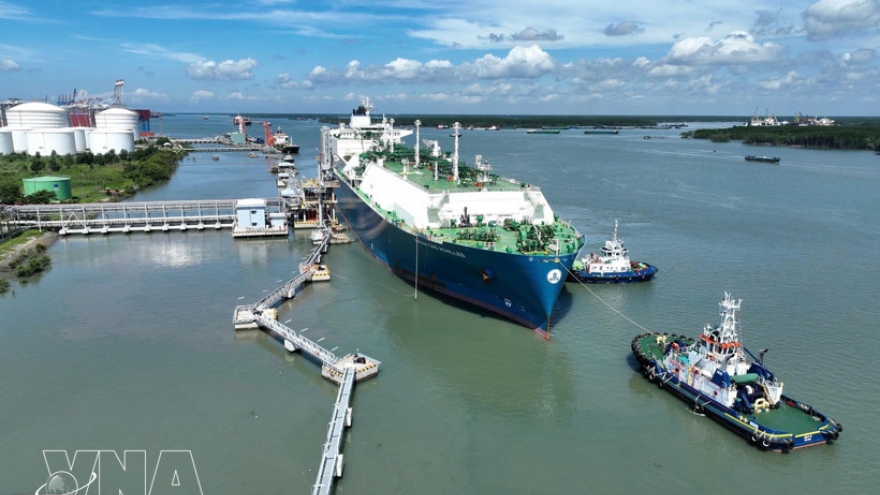
Vietnam proposes support for vessels through Hormuz, urges stable freight rates

VOV.VN - The Vietnam Maritime and Waterways Administration has proposed measures to support Vietnamese vessels and seafarers transiting the Strait of Hormuz amid rising tensions in the Middle East, while urging shipping and logistics firms to keep freight rates stable and avoid unreasonable surcharges.
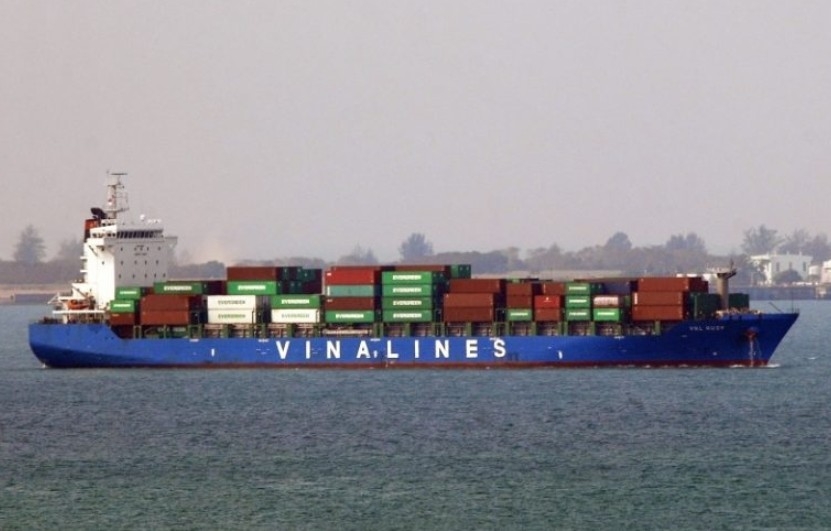
The agency has asked the Ministry of Construction to report to the Ministry of Foreign Affairs to work with Iran on ensuring maritime safety and facilitating passage
It said 19 vessels owned by Vietnamese enterprises are currently operating in the Middle East and may need to transit the strait, including four Vietnamese-flagged ships and 15 foreign-flagged vessels. Some continue normal operations, while others are waiting for safer conditions.
The administration proposed priority support for vessels based on categories, with top priority given to Vietnamese-flagged ships transporting goods between Vietnam and the Middle East, followed by foreign-flagged vessels owned by Vietnamese firms with Vietnamese crew members, and then vessels owned by Vietnamese companies with foreign crew members.
The agency also called for facilitation of crude oil and petroleum shipments from the Middle East to Vietnam, and for Iran to issue official clearance allowing Vietnamese vessels and seafarers to transit the strait, enabling firms to secure insurance coverage.
Vietnamese missions in the Middle East have been asked to closely monitor developments and provide timely support to vessels and crew when needed.
Rising fuel costs and regional instability have increased pressure on Vietnam’s shipping fleet, particularly on routes through the Strait of Hormuz, leading to higher costs, operational risks and disruptions to supply chains and trade.
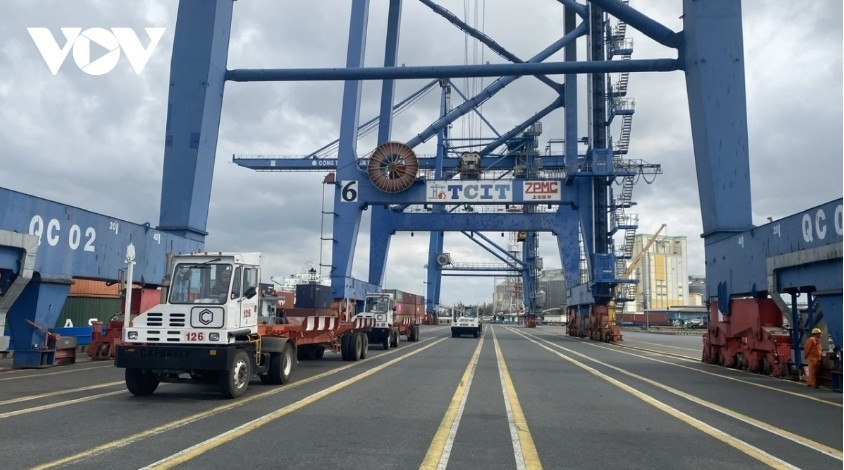
The Ministry of Construction called on maritime pilotage service providers to reduce service fees by at least 10% for Vietnamese-flagged vessels from April 1 to May 1.
The administration instructed shipping and logistics firms not to raise freight rates or impose surcharges that are not justified or not commensurate with actual costs, or that violate regulations.
Port operators are required to ensure smooth vessel entry and exit and timely fuel supply. Import-export enterprises should stay updated on market developments and coordinate closely with transport and logistics providers to develop flexible and safe transport plans.
Port authorities are required to organise berth allocation, anchorage, routing and operating schedules in a scientific and flexible manner to make effective use of infrastructure, reduce waiting times and avoid congestion, while closely monitoring and compiling cargo backlogs and proposing timely solutions to ensure logistics chains are not disrupted.
The administration has also instructed shipping and logistics firms not to raise freight rates or impose surcharges that are not justified by actual costs or that violate regulations.
Port operators have been asked to facilitate vessel movements and ensure timely fuel supply. Import-export enterprises are advised to stay updated on market developments and coordinate with transport and logistics providers to adjust shipping plans and reduce risks.
Maritime port authorities and Maritime and Waterways sub-departments are assigned to intensify inspections and supervision of service fee declarations and listings, and promptly detect and strictly handle violations involving improper charges that negatively affect business operations.
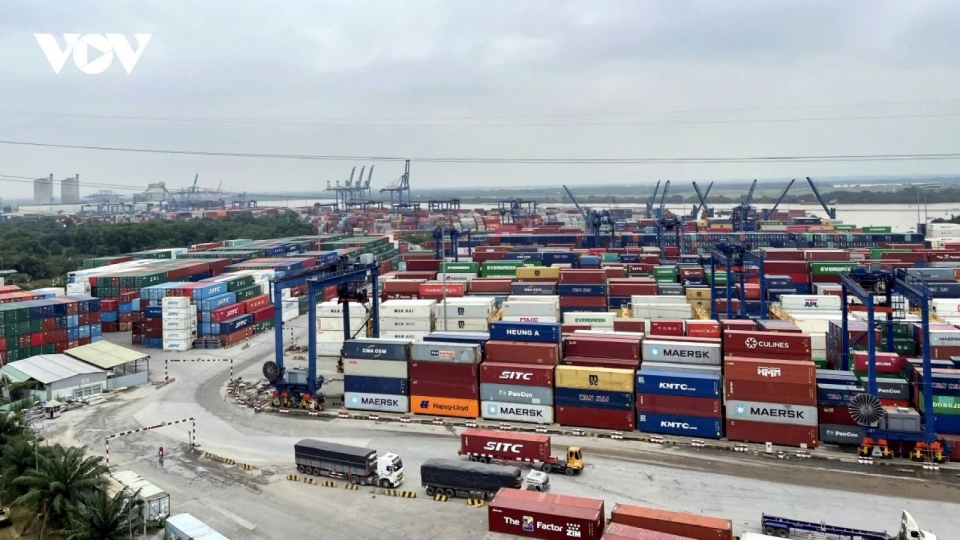
Middle East conflict drives up logistics costs, pressuring local exporters
VOV.VN - Rising logistics costs, longer shipping times and growing trade risks caused by the Middle East conflict are putting pressure on Vietnam’s export-import businesses.