


Vietnam manufacturing PMI still above 50 in September: S&P Global

VOV.VN - Vietnam’s Manufacturing Purchasing Managers’ Index (PMI) fell to 51.9 in September from 53.3 in August, but remained above the 50-point threshold, indicating that operating conditions in the sector continued to improve, albeit at a slower pace, according to S&P Global.
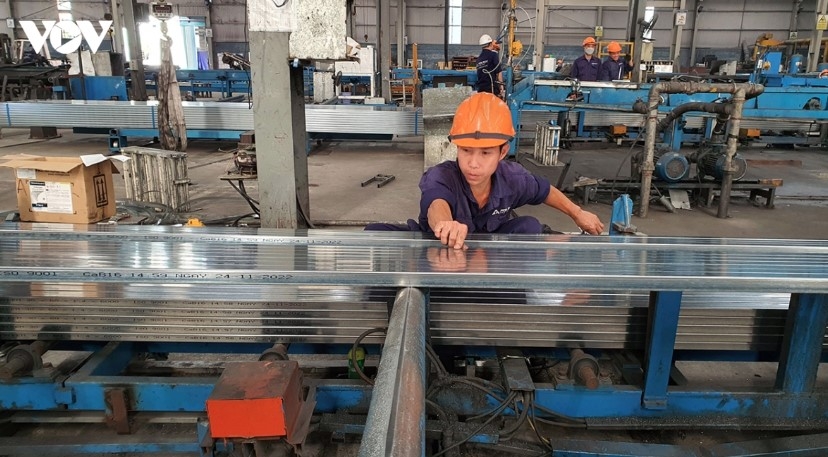
The S&P Global report released on October 1 shows manufacturing output rose markedly again in September, extending the expansion that began in May 2025, although the pace of growth slowed from August.
Higher new orders supported the latest increase in output, but the pace of new business growth also eased. In fact, the increase in new orders was the weakest recorded during the current five-month period of expansion.
Where new orders increased, survey respondents attributed the rise to improving market conditions and larger order volumes from customers.
Purchasing activity also increased markedly in September as manufacturers secured inputs to support higher output. As materials were used in production, stocks of inputs continued to decline.
Manufacturers also sought to reduce their holdings of finished goods, with prompt shipments to customers helping to bring inventories down. Stocks of finished goods fell at their fastest rate since the survey began in March 2011.
The S&P Global report also indicates that suppliers’ delivery times lengthened modestly in September, with respondents citing international shipping problems and adverse weather conditions as factors behind the delays.
Despite these pressures, manufacturers were optimistic about the year ahead. Expectations of improved market conditions supported confidence in future output, while plans to launch new products also boosted sentiment. Business confidence rose to its highest level since February.
Andrew Harker, economics director at S&P Global Market Intelligence said while the Vietnamese manufacturing sector remained in growth territory in September, data showed that the international environment constrained the pace of expansion.
“New export orders were down, the war in the Middle East caused further rises in the cost of fuel and oil, and international shipping delays contributed to longer supplier delivery times”, he added.
"Despite these headwinds, production continued to rise markedly, and firms were more optimistic in the outlook for the coming year. Based on the historical relationship between the PMI and official data, the manufacturing sector should continue to make a solid contribution to GDP growth in the third quarter of 2026, with the potential for growth to strengthen further should the international environment improve", he noted.
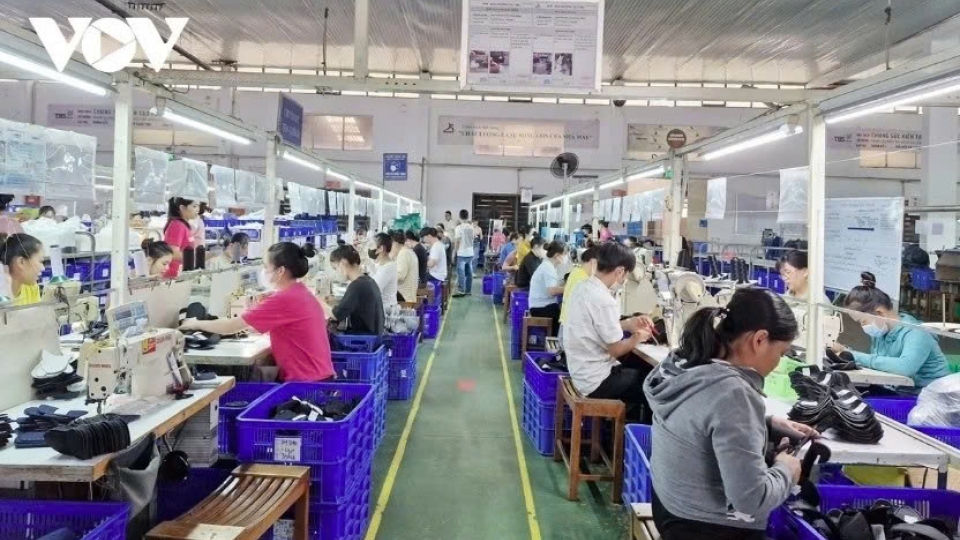
Vietnam's May PMI reaches its highest since February
VOV.VN - Vietnam's Manufacturing Purchasing Managers’ Index (PMI) rose to 52.8 in May, up from 50.5 in April and reaching its highest since February.


