Vietnam has no immediate need to tap national petroleum reserves

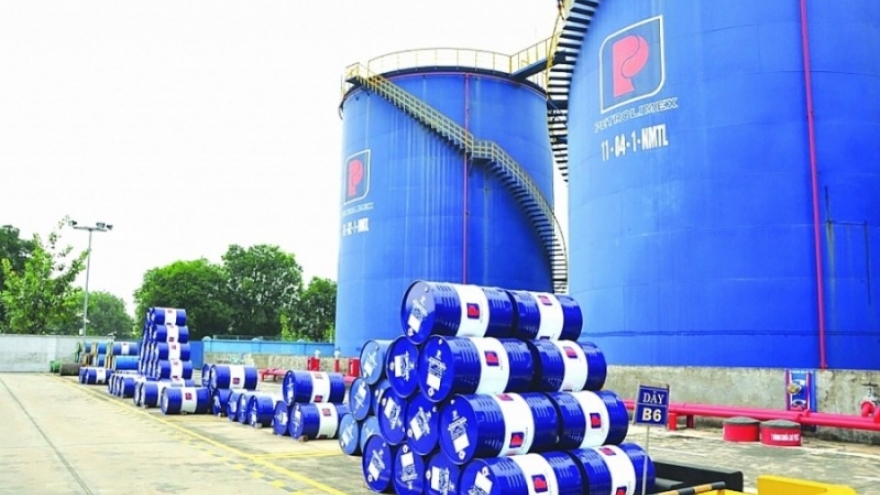
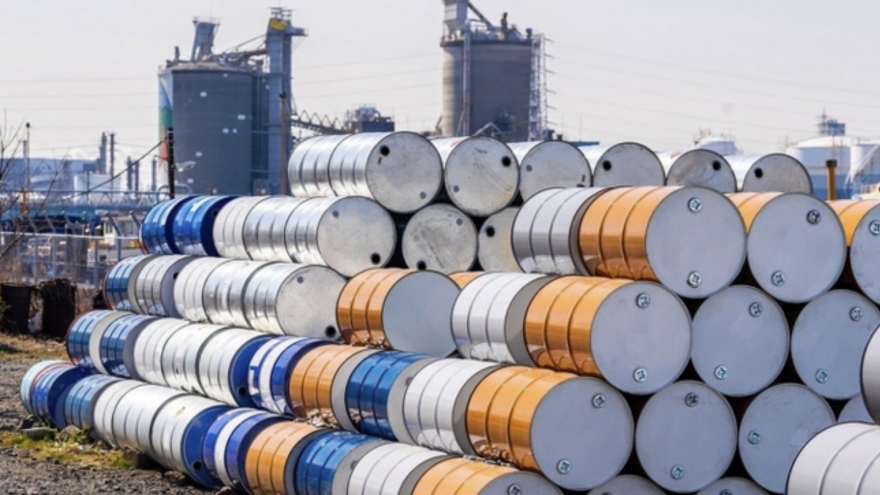
VOV.VN - Vietnam currently has no immediate need to draw on its national petroleum reserves, as existing supplies are sufficient to meet domestic demand until the end of March, Deputy Minister of Industry and Trade Nguyen Sinh Nhat Tan said.
Tan made the statement at the March 10 meeting of the Ministry of Industry and Trade (MoIT), noting that mandatory reserves held by key petroleum enterprises currently ensure around 20 days of supply, in line with regulations.
He added that national petroleum reserves would only be mobilised in the event of major supply disruptions, such as a sharp decline in domestic production or difficulties in importing fuel. Authorities have prepared contingency plans to respond to potential supply fluctuations, while affirming that the current supply situation is stable.
Regarding crude oil supply for domestic refineries, Tan said Vietnam imports crude from a range of sources, including Southeast Asia, the United States and the Middle East. Although some shipments from the Middle East have been delayed due to regional tensions, global supply remains available, with prices now the primary concern.
Regulators are also considering importing crude oil from Venezuela. According to the deputy minister, Venezuelan crude is heavy oil that could be blended for processing at the Dung Quat Refinery, but it may not be suitable for the Nghi Son Refinery, whose technology is designed to process lighter crude.
Earlier on March 9, Prime Minister Pham Minh Chinh said the government had mobilised about 4 million barrels of oil from partners to ensure immediate supply. With this amount and additional shipments expected, the MoIT estimates that petrol and diesel supply could meet domestic demand for about 30–45 days, depending on refinery production and market consumption.
In addition to securing supply, the government is using tax measures to support the market. The Most Favoured Nation (MFN) import tax on petroleum and certain blending materials has been reduced to 0%, allowing key enterprises to expand imports from markets without free trade agreements with Vietnam.
Tan also said the ministry is reviewing the fuel price management mechanism and considering the use of the Petrol and Diesel Price Stabilisation Fund to help stabilise the market during the current volatility. As of the end of the third quarter of 2025, the fund had a surplus of nearly VND5.62 trillion.
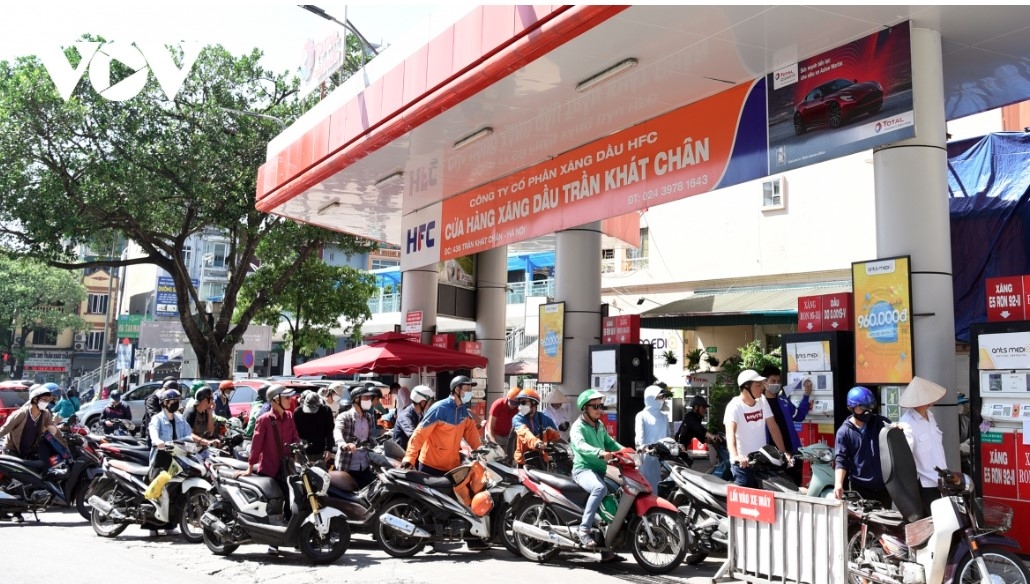
Vietnam’s fuel market has experienced notable fluctuations since tensions in the Middle East escalated in late February, raising concerns about possible supply disruptions. In some localities, consumers rushed to buy and stockpile fuel, causing demand to surge by 50–100% within a short period.
In response, the MoIT has instructed key enterprises, distributors, and retailers to maintain uninterrupted supply and proactively seek additional import sources.
Provincial industry and trade departments and market management units have also been directed to strengthen inspections and strictly handle hoarding, price violations, or unjustified sales suspensions.
People are advised to avoid stockpiling fuel to prevent localised supply-demand imbalances and unnecessary pressure on the distribution system.
Domestic petroleum supply meets demand amid Middle East conflict
VOV.VN - Despite fluctuations in the global energy market caused by conflict in the Middle East, Vietnam’s domestic petroleum supply is assessed as largely stable.