Vietnam–China border gate aims for one-person clearance per second

VOV.VN - A new “smart border gate” system developed along the Vietnam–China border could allow travelers to complete immigration procedures in less than one second per person, according to information revealed on March 6 by delegates from Guangxi to China’s National People’s Congress (NPC).
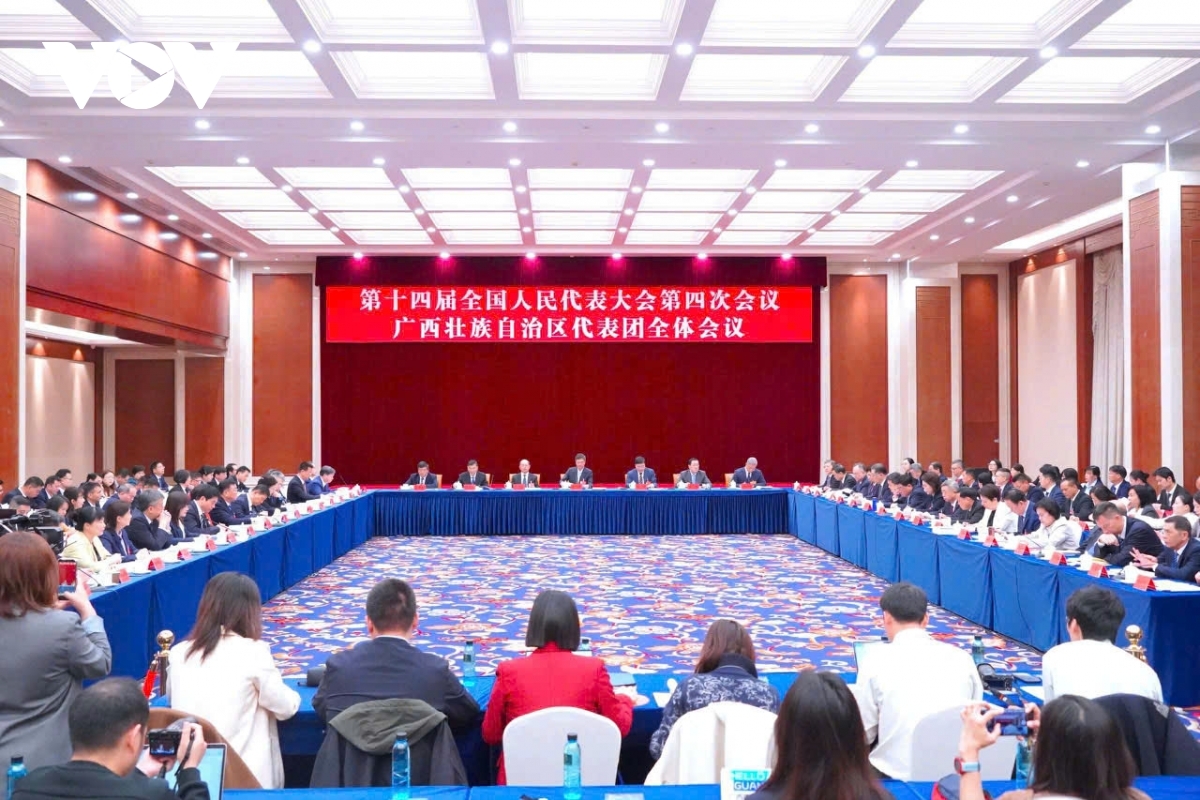
The announcement was made during an open discussion on the draft outline of China’s 15th Five-Year Plan (2026–2030) at the fourth session of the 14th NPC in Beijing. Delegates from Guangxi highlighted cooperation with ASEAN countries, particularly Vietnam, across a wide range of sectors including trade, investment, artificial intelligence (AI), and tourism.
A major focus of the discussion was accelerating “hard connectivity” between Vietnam and China through cross-border infrastructure such as railways, highways, and smart border gates. Several delegates proposed incorporating these projects into China’s next five-year development plan.
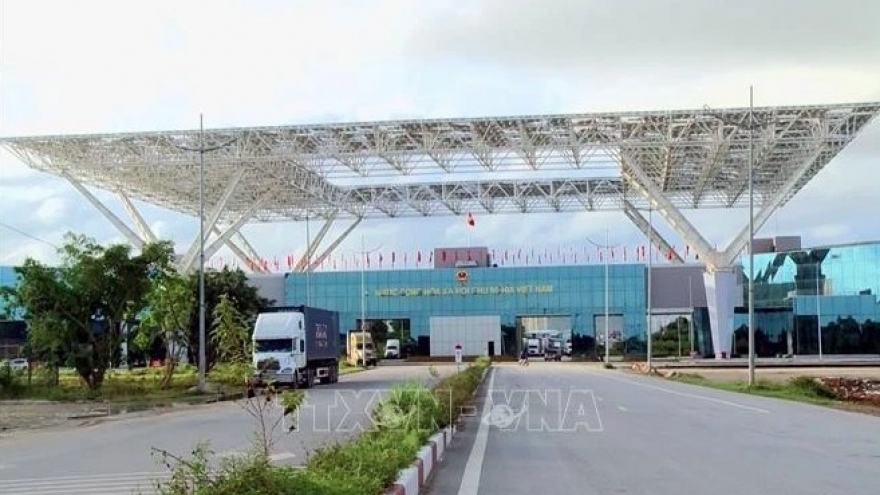
One pilot project is currently underway at the Huu Nghi (Vietnam) – Youyi Guan (China) international border gate. The smart border gate model is expected to be operational in the third quarter of 2026.
Meanwhile, construction has also begun on a similar project at the Mong Cai (Vietnam) – Dongxing (China) international border gate, located at the Bac Luan II Bridge. The groundbreaking ceremony was jointly held by authorities from Quang Ninh Province and the Guangxi Zhuang Autonomous Region earlier this year.
The Mong Cai–Dongxing crossing has long been one of the most important trade gateways between Vietnam, ASEAN, and the Chinese market. Authorities expect the smart border gate system to significantly improve customs efficiency, reduce logistics costs, and strengthen cross-border trade and tourism.

Speaking to Vietnamese media, Huang Jiang, Secretary of the Fangchenggang Municipal Party Committee in Guangxi, emphasised that once completed, the cargo clearance capacity at the border crossing could increase from 1,000 trucks per day to about 3,300 trucks per day. Passenger processing capacity could reach 50,000 people per day, with an average clearance time of less than one second per traveler.
She also noted that preparations are underway for the construction of the Bac Luan III Bridge and the Dongxing–Mong Cai railway segment, part of a broader railway corridor linking Guangxi with Vietnam. These projects aim to strengthen both economic cooperation and people-to-people exchanges between the two countries.
According to Guangxi authorities, nearly 9.2 million cross-border trips were recorded through Dongxing’s border gates in 2025, making it the busiest land border crossing in China.
Trade ties between Guangxi and Vietnam also continue to grow. Vietnam has remained Guangxi’s largest trading partner for 27 consecutive years, with bilateral trade reaching over CNY300 billion (approximately US$43.5 billion). More than 13 million cross-border trips were recorded between the two sides.
As the only Chinese region sharing both land and maritime borders with Vietnam, Guangxi plans to further expand cooperation with its southern neighbour. Guangxi Chairman Wei Tao said future collaboration would focus on strengthening “hard connectivity, soft connectivity, and people-to-people connectivity,” particularly in emerging sectors such as the digital economy and artificial intelligence.
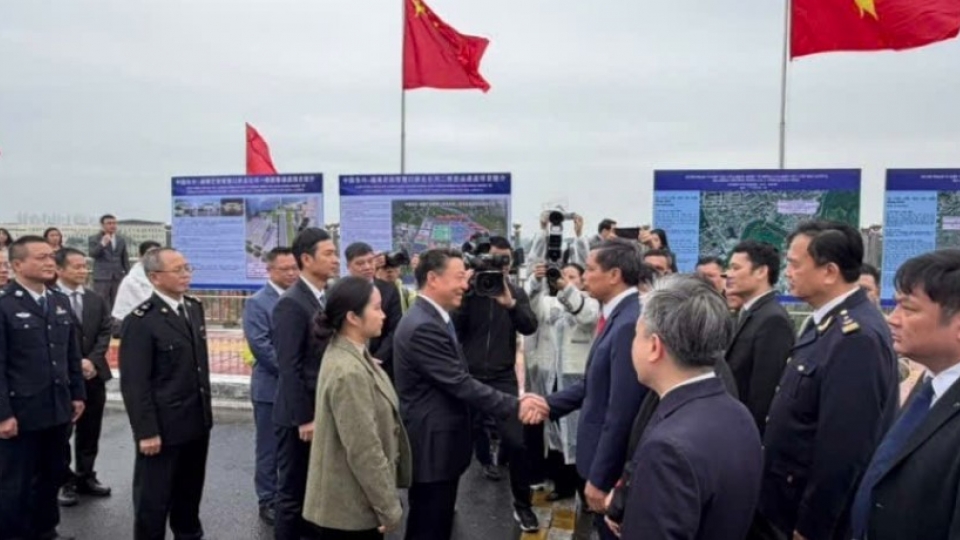
Pilot smart border gate project launched at Mong Cai-Dongxing border gate
VOV.VN - A ceremony to launch the pilot construction of a smart border gate at the Mong Cai–Dongxing international border gate was held in Mong Cai Ward 1, Quang Ninh (Vietnam), and the Guangxi Zhuang Autonomous Region (China) on February 11.