Vietnam builds sustainable supply chain in multipolar trade order: expert

In today’s world, where policy credibility and execution capacity matter just as much as cost, Vietnam is placed to become a reliable and long-term supply chain partner amid the reshaping of global trade, says Shan Saeed, Global Chief Economist at Malaysia-based international real estate technology group IQI Juwai.
The expert noted as global trade enters a more fragmented and multipolar phase, the country’s role as a resilient manufacturing and export hub is being increasingly reinforced by the credible implementation of government policies and the prudent stewardship of the central bank. From 2026 onward, this policy discipline will remain a decisive advantage of Vietnam as multinational corporations reassess supply-chain concentration risks and place greater emphasis on reliability, scalability, and policy certainty.
He remarked that Vietnam’s macroeconomic policy framework has consistently prioritised stability over excessive stimulus. Real GDP growth is projected to reach 7–8% in the medium term, underpinned by sustained investment momentum, industrial upgrading, and steady domestic demand. Inflation is being kept at around 3–3.5%, preserving cost competitiveness while protecting purchasing power. Public debt remains moderate at approximately 37–38% of GDP, providing fiscal space for infrastructure, logistics, and industrial policy initiatives without undermining national balance-sheet strength.
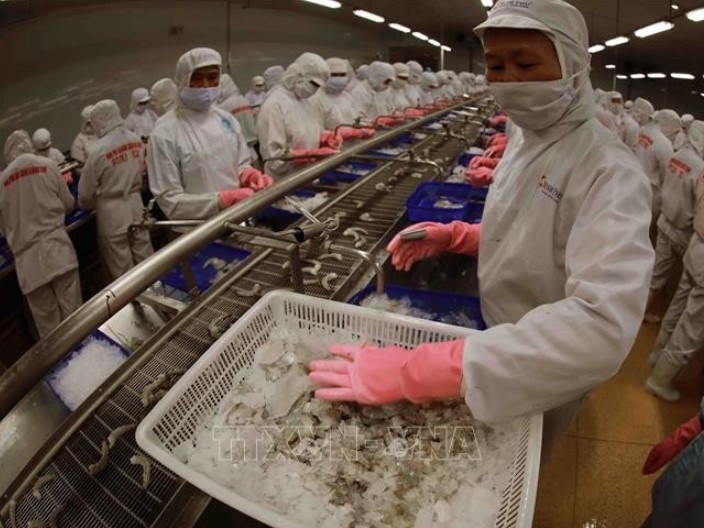
He emphasised that this macroeconomic setup is key to investors' confidence. Vietnam’s trade and industrial policies have delivered tangible results. Merchandise exports surpassed 405 billion USD in 2024, with diversification steadily improving as ASEAN, the Middle East, and South Asia account for a growing share alongside traditional markets such as the US and the European Union. Participation in high-standard trade frameworks, including the Comprehensive and Progressive Agreement for Trans-Pacific Partnership (CPTPP), the EU – Vietnam Free Trade Agreement (EVFTA), and the Regional Comprehensive Economic Partnership (RCEP), has secured preferential access to markets representing more than 30% of global GDP, contributing to reducing tariff barriers and enhancing supply-chain flexibility.
At the same time, monetary policy has remained disciplined and market-oriented. The State Bank of Vietnam has prioritised stabilising the exchange rate, ensuring liquidity, and strengthening the financial system, which has helped keep inflation expectations in check and cushion the impact of external shocks. This steady environment has encouraged strong capital inflows, with foreign direct investment surpassing 25 billion USD in 2024, into electronics, semiconductors, electric vehicle parts, and value-added manufacturing.
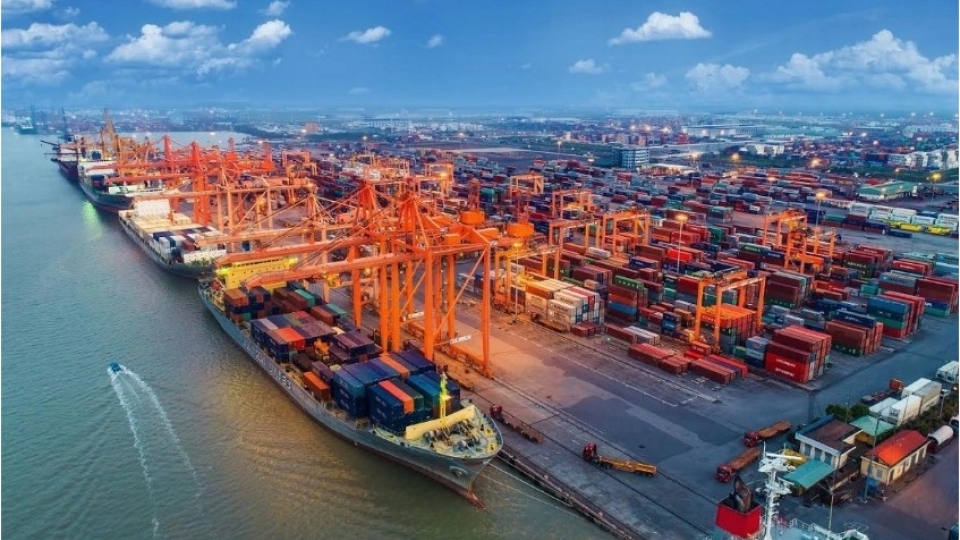
Looking beyond 2026, Saeed noted that continued investment in ports, logistics corridors, and electronic customs systems, coupled with policies to strengthen domestic supplier ecosystems and workforce skills, will further enhance the country’s resilience.
Why global firms are turning to Vietnam amid supply chain disruptions
VOV.VN - Amid ongoing disruptions to global supply chains caused by geopolitical conflicts, economic fluctuations and rising protectionism, Vietnam is increasingly being seen as a stable and reliable destination for companies restructuring their supply chains.