Trade tops US$41 billion in early March as exports post strong gains

VOV.VN - Vietnam’s total import–export turnover reached US$41.23 billion in the first half of March, with exports rising 13.2% year on year to US$20.3 billion, according to preliminary data released by Vietnam Customs on March 18.
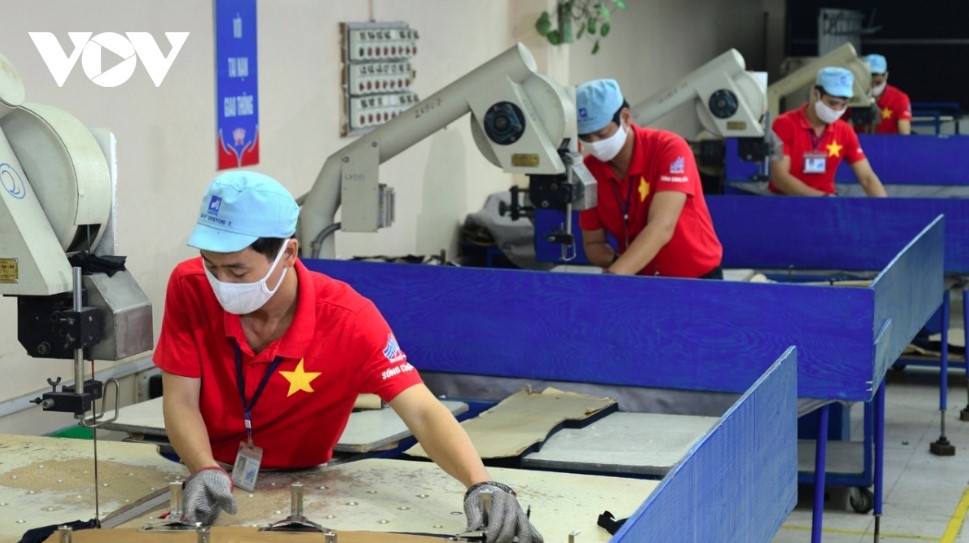
Notably, four key export groups each surpassed US$1 billion in value, including electronics, phones, machinery, garments and textiles.
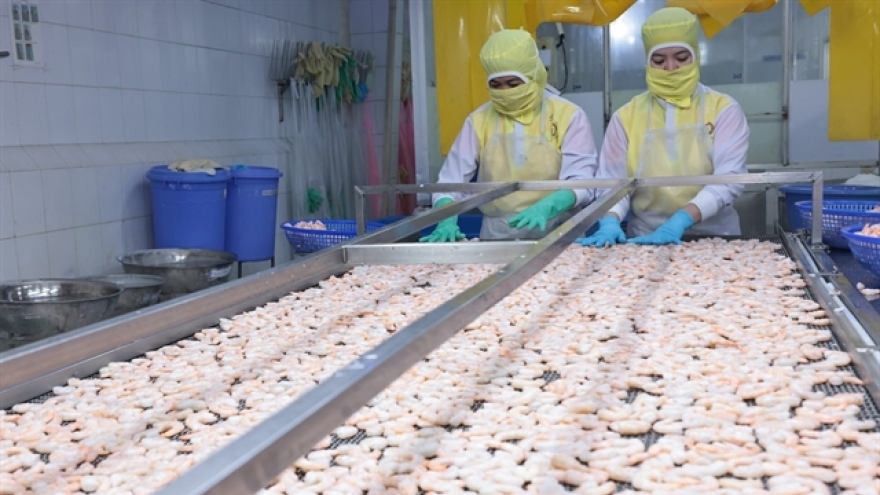
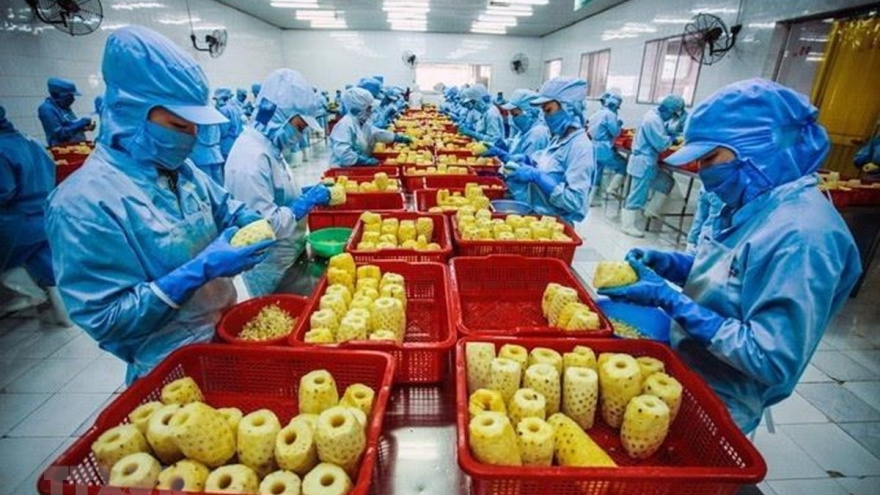
Several other categories generated hundreds of millions of dollars in export value, such as footwear, timber and wood products, transport vehicles and parts, coffee, seafood, and fruits and vegetables.
Meanwhile, imports in the same period hit US$20.9 billion, a 17.8% increase compared to the same period in 2025. Two import categories exceeded US$1 billion - computers, electronic products and components; and machinery, equipment, tools, and spare parts.
From the beginning of the year through March 15, Vietnam’s total trade turnover fetched US$197.1 billion. Exports amounted to US$96.8 billion, up 17.6%, while imports totaled US$100.3 billion, up 24.6%, resulting in a trade deficit of US$3.5 billion.
In particular, three product groups surpassed US$10 billion in turnover by mid-March, with computers, electronic products and components generating US$23.3 billion; telephones and components US$14.2 billion; and machinery, equipment, tools, and spare parts US$11.6 billion.
Imports of machinery, equipment, raw materials, and production inputs have risen sharply since late last year. However, the Ministry of Industry and Trade does not view this as a concern, for Vietnam is a highly open economy, with trade volume equivalent to around 200% of its GDP. As such, its trade balance may fluctuate in line with production and export cycles.
In late 2025, many businesses accelerated exports to meet holiday demand in major markets. At the start of 2026, export growth moderated, while companies stepped up imports of raw materials, energy, components, and spare parts to support production plans for the first quarter and the rest of the year.
As a result, the current trade deficit largely reflects strong demand for imported inputs, indicating that Vietnam’s manufacturing and export sectors remain on a positive trajectory.
Solid trade turnover sustains strong economic growth
VOV.VN - Trade turnover remained a bright spot in the Vietnamese economy over the nine month period of 2025, expanding 17.3% year on year, far exceeding the full year growth target of 12%.