Stronger suppliers seen as foundation for next development period

VOV.VN - As Vietnam pushes deeper international integration and aims for double-digit growth in 2026, improving the capacity of domestic suppliers has become a strategic requirement.
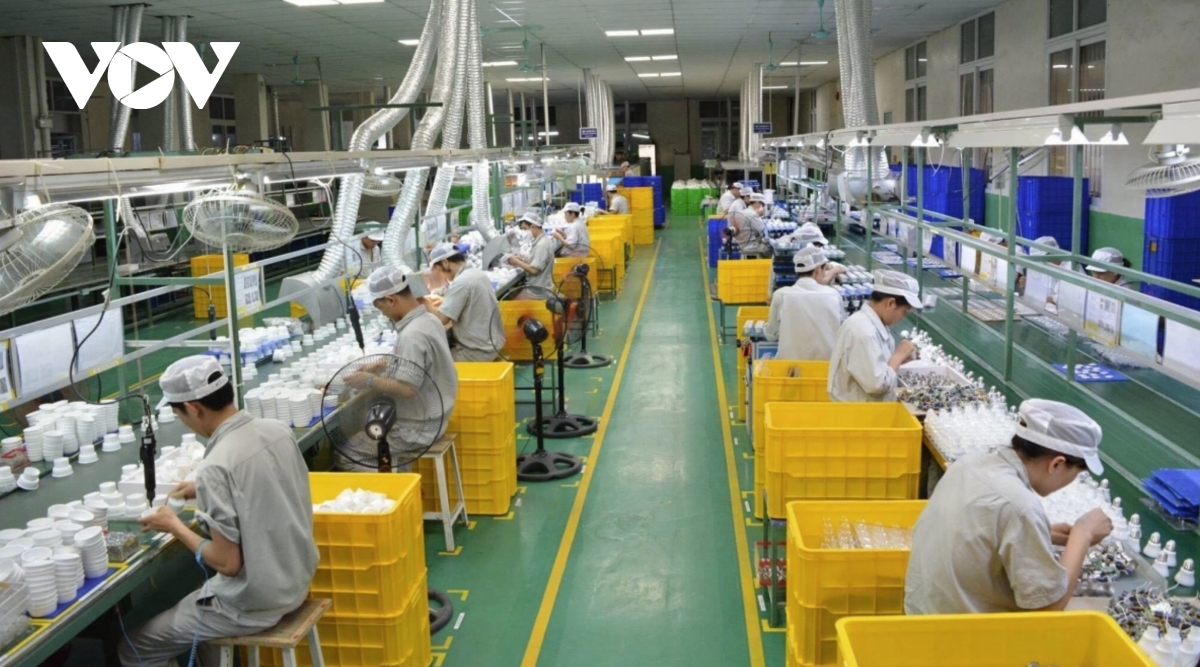
Although opportunities are expanding, the number of Vietnamese firms participating in global supply chains remains very modest, highlighting the need for coordinated and decisive solutions.
The restructuring of global supply chains and shifting investment trends are creating major opportunities for the country. However, to seize these opportunities, domestic enterprises must have the capacity to participate more deeply in value chains, particularly those with higher technological content and greater added value.
Chairman of the Vietnam Chamber of Commerce and Industry (VCCI) Ho Sy Hung stressed that any business seeking sustainable development and a long-term presence in the market must be able to participate in global value chains.
Vietnamese enterprises taking a more proactive and deeper role in global supply chains not only demonstrates their integration capacity but also helps increase added value and build a stable foundation for the economy over the long term.
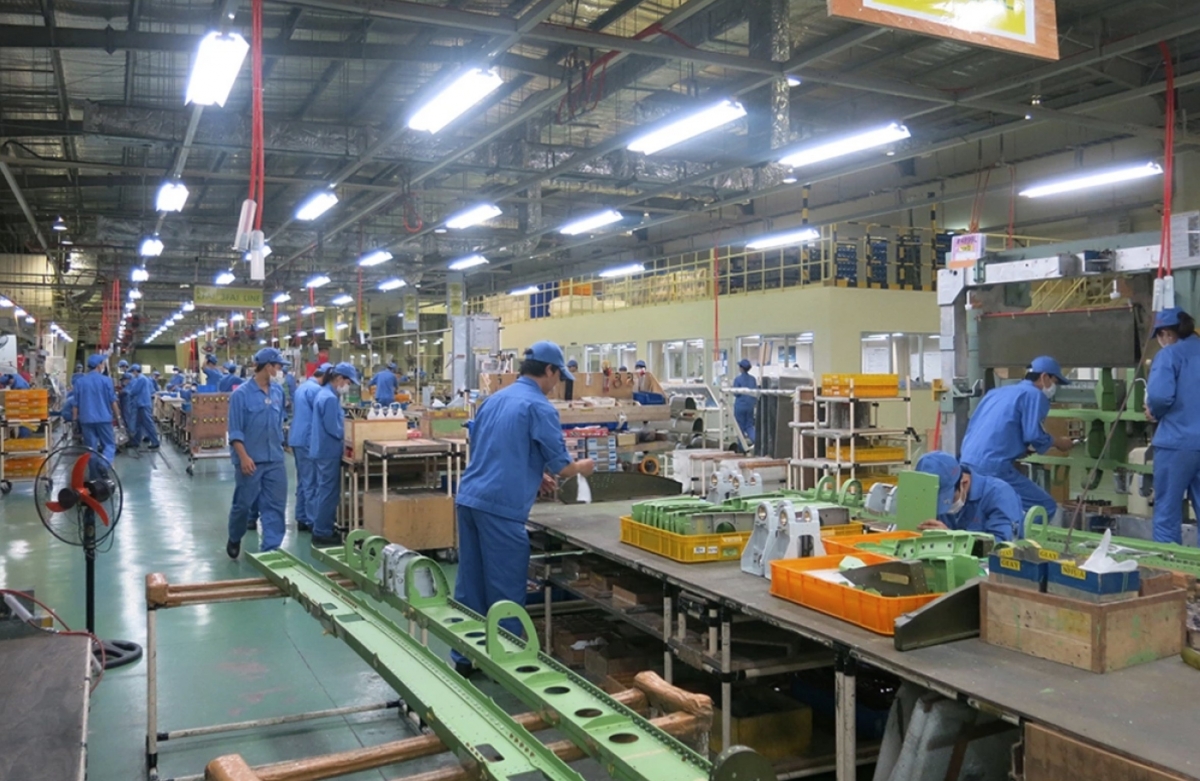
“Party resolutions have repeatedly emphasized the need to promote and support enterprises to participate more deeply in global value chains. The year 2026 therefore carries particular importance, marking the starting point of a new development phase for Vietnam, with expectations and targets for rapid growth, aiming for double-digit growth in key sectors with high added value.”, Hung said.
“In that context, mobilising and further promoting Vietnamese supplier enterprises to participate in global value chains, especially supply chains with high technological content, is becoming even more urgent and strategically significant.”
The year 2026 is viewed as an important milestone, opening a new development period with expectations of rapid and sustainable growth. However, according to data from the Statistics Office under the Ministry of Finance, Vietnam currently has only about 5,000 enterprises truly participating in global supply chains, accounting for around 0.5% of nearly one million businesses in operation. The figure shows ample room for growth while underscoring the urgent need to strengthen the capacity of domestic enterprises.
From the perspective of a lead firm in the supply chain, Pham Hoang Long, Head of Purchasing at Honda Vietnam, said the supplier system is the foundation of the entire production operation. With annual output of about 2.5 million motorcycles and 14,000 automobiles, Honda Vietnam can sustain growth only if it maintains a strong and stable supply network.
According to Long, without a strong supply chain, a company cannot operate effectively. Suppliers must maintain stable product quality from the testing stage through mass production, ensure the capacity to respond to continuous market fluctuations, and develop a long-term and sustainable vision.
“Customers always require suppliers to ensure consistent quality, competitive prices and flexibility to adapt quickly to market fluctuations. If they are not ready in terms of production capacity and financial resources, enterprises will find it difficult to respond to sudden changes in orders.
“At the same time, suppliers must maintain a solid financial foundation and a long-term, sustainable development vision to accompany partners over the long term,” Long said.
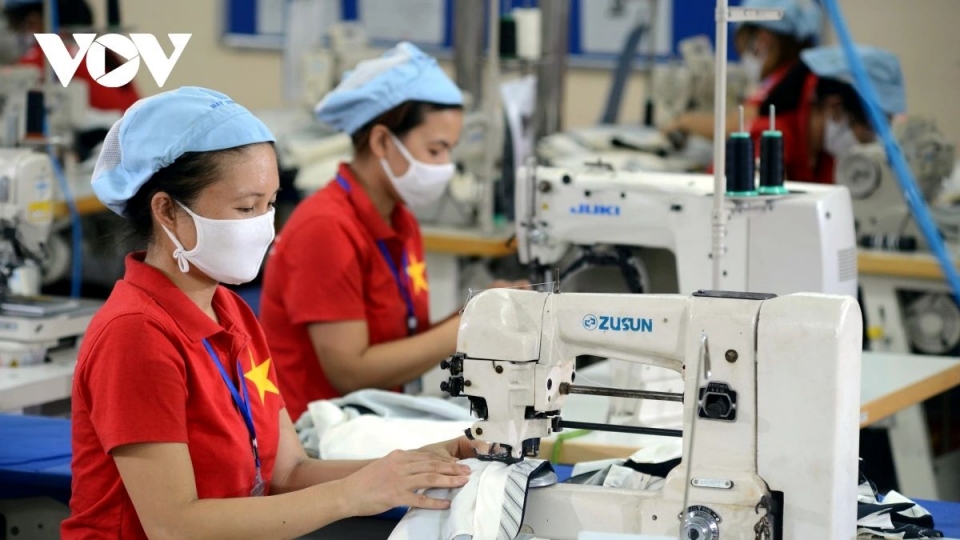
From the perspective of a domestic enterprise, Bach Thang Long, Deputy General Director of Garment 10 Corporation, said the company has participated in the global fashion value chain for more than half a century, with about 90% of its revenue coming from exports.
To become a supplier for international brands, enterprises must meet a wide range of strict criteria on price competitiveness, governance, product quality, delivery schedules, financial capacity and sustainable development. Each year, Garment 10 undergoes between 120 and 130 assessments by brands. With each round, standards are continuously raised, forcing enterprises to keep improving.
“From practical cooperation, we have concluded that for a supplier to accompany customers and brands over the long term, the key comes down to four words: sincerity and goodwill. Transparency, commitment and a serious spirit of cooperation in every transaction form the foundation for building sustainable trust.
“Each enterprise must continuously improve its capacity, enhance quality and maintain a development vision consistent with its partners. Only when both sides share the same orientation and long-term objectives can cooperation remain strong. In that way, enterprises can make practical contributions to the country’s double-digit growth target during this term.”
“Eeach enterprise must continuously improve its capacity, enhance quality and maintain a development vision aligned with its partners. Only when both sides share the same orientation and long-term objectives can cooperation remain strong. In that way, enterprises can make practical contributions to the country’s double-digit growth target during this term.” Long said.
Experts say that for domestic enterprises to participate more deeply in value chains, it is necessary to create markets for the first products manufactured by Vietnamese companies, while establishing strong mechanisms on capital and technology to promote substantive spillovers from the FDI sector to domestic firms.
Pham Van Quan, Deputy Director General of the Industrial Agency under the Ministry of Industry and Trade, said upcoming efforts will focus on key tasks including improving institutions to create markets for domestic enterprises, while accelerating the development of key industries and supporting industries.
FDI attraction will also be linked with requirements to improve labour productivity and increase the share of science-technology content and domestic value added, gradually strengthening the position of Vietnamese enterprises in regional and global value chains.
“We have just inaugurated the Industrial Development Support Centre in Hoa Lac, which plays a supporting role for enterprises developing new products and bringing them to market. The centre supports research funding, pilot production equipment and connections with market opportunities both at home and abroad. Enterprises with demand can submit proposals through the centre to be considered for state budget support.
“Meanwhile, the Government has issued Decree No. 205 on the development of supporting industries. One important provision requires FDI enterprises receiving policy incentives to strengthen linkages with Vietnamese enterprises, aiming for a localisation rate of about 40%. We are continuing to propose specific mechanisms and hope they will soon be approved for effective implementation,” Quan said.
Deeper participation in global supply chains is no longer a choice but an inevitable path for Vietnamese enterprises to enhance value. O
pportunities, however, will become real advantages only when accompanied by institutional reform, practical support and proactive transformation by enterprises themselves. When the State creates an open policy framework, support organisations operate effectively and enterprises invest in core capabilities, Vietnam can move from a contract manufacturing position to a higher-value link in global supply chains.
Market linkages key for Vietnamese firms joining global supply chains
VOV.VN - In the long term, to keep pace with global supply chains and secure a firm foothold in the global market, Vietnamese enterprises must comply with product quality standards, green requirements and social responsibility obligations.
Export competitiveness must go beyond price as global supply chains reshape: forum
VOV.VN - Export competitiveness must be built on quality, sustainability, traceability and strong branding rather than price alone as global supply chains undergo rapid restructuring and trade standards become increasingly stringent, experts said at a trade forum in Hanoi on February 3.