Stronger push to attract FDI from the start of 2026

VOV.VN - Amid continued fluctuations in the global economy, 2026 has been identified as a pivotal year for Vietnam to reposition its foreign direct investment (FDI) strategy toward higher-quality capital flows with stronger technological content, higher added value and broader spillover effects.
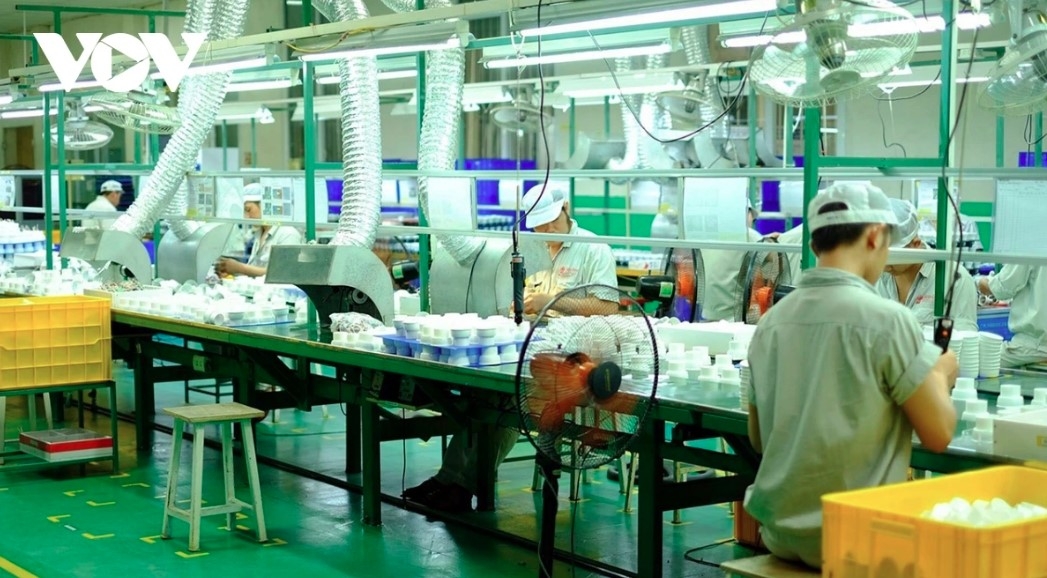
FDI is seen as a driver of double-digit growth in the 2026-2030 period and as a foundation for strengthening competitiveness, promoting innovation and supporting sustainable long-term development.
According to the General Statistics Office under the Ministry of Finance, total newly registered FDI in January 2026 reached US$2.58 billion, down 40.6% year on year. However, disbursed capital amounted to US$1.68 billion, up 11.3%, thus showing steady implementation. During the initial month, 349 new projects were licensed with total registered capital of US$1.49 billion, up 23.8% in number of projects and 15.7% in registered capital compared with the same period last year.
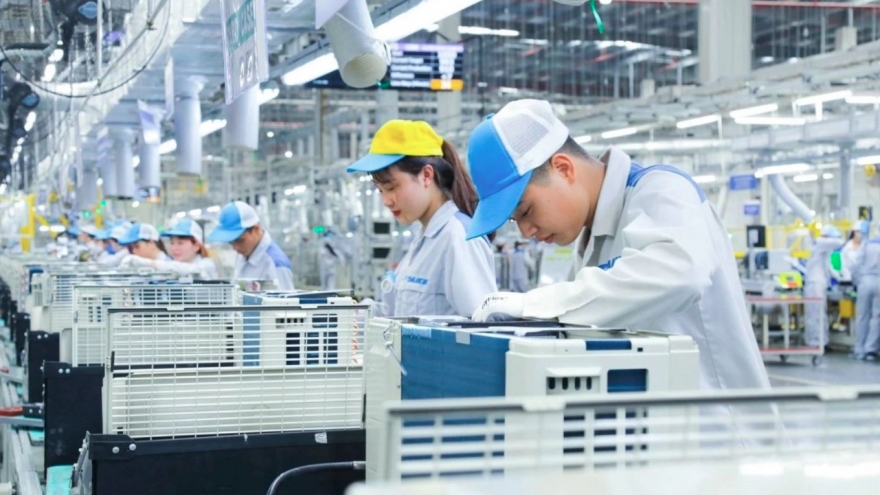
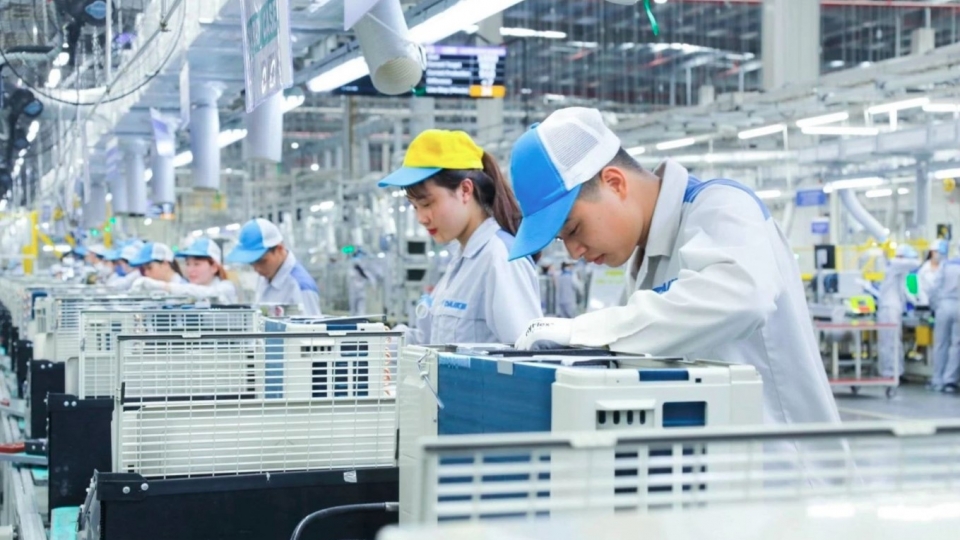
Manufacturing and processing continued to account for the largest share, with more than US$1 billion in newly registered capital, representing 70.8% of total new registrations.
Deputy Minister of Finance Tran Quoc Phuong said that to achieve double-digit growth in 2026-2030, one key solution is mobilizing all resources for development investment, in which FDI is an important source.
The Ministry of Finance is drafting a Scheme on Development of the Foreign-Invested Economic Sector and a Scheme on Next-Generation FDI Attraction, focusing on institutional improvement and building open, attractive and competitive policies.
According to the Deputy Minister, Vietnam has taken concrete steps to prepare land, energy supply and human resources to receive new projects. In high-tech and semiconductor fields, a target of training 50,000 engineers and high-quality workers is being implemented.
FDI flows are increasingly shifting toward higher quality, with a rising share in high technology, green industry, renewable energy and the digital economy. Energy stands out, with several large-scale proposals, including a US$10 billion Ca Na LNG power center proposed by a consortium of investors from the United States, the Republic of Korea and Singapore together with Mekong Delta Maritime Economic Zones Development Investment JSC, and a plan by SK Group of the Republic of Korea to invest US$2 billion in a 1,500 MW LNG thermal power project in Nghe An Province.
Amid intensifying competition for FDI, Vietnam is moving from broad-based incentives to conditional and targeted incentives aimed at attracting strategic capital while safeguarding long-term economic interests.
The next-generation FDI model should move beyond attracting capital and become a lever to strengthen technological capacity, promote innovation and sustainable development.
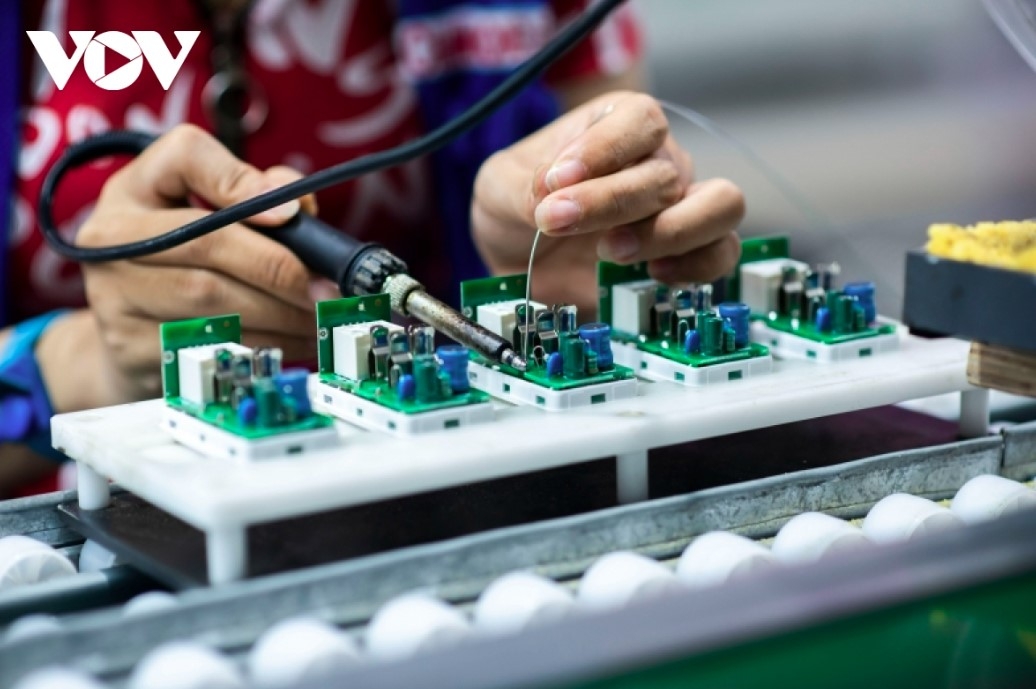
Chaturon Thipphiansak, Deputy General Director of SCG Vietnam Co., Ltd., said businesses need to pursue localization strategies and strengthen adaptability in response to global economic fluctuations, fuel costs, green supply constraints and increasingly stringent ESG standards. At SCG, the green transition is viewed as an opportunity to pioneer sustainable products, responsible business practices and strong partnerships, contributing to Vietnam’s green growth.
Notably, the central city of Da Nang continues to improve its investment environment, accelerate administrative reform and digital transformation in state management, and accompany enterprises from initial information access to project implementation.
As global FDI restructures toward greener, more sustainable and smarter models, Da Nang is regarded as capable of capturing a new wave of investment, particularly in high technology, R&D centers and value-added services.
Pham Duc An, Chairman of the Da Nang City People’s Committee, said the city is focusing on high technology, start-ups, innovation, an international financial center and a free trade zone, while continuing to attract investment, especially FDI in high-tech sectors. The city will provide timely information and support to enterprises during the project implementation process.
According to economic experts, to enhance its appeal to high-quality FDI in 2026, Vietnam should continue streamlining administrative procedures and adjusting policies to ensure greater transparency, consistency and ease of implementation for investors.
The year 2026 marks a shift toward a “new FDI era,” in which the objective is not only to attract capital, but also technology, governance capacity, ESG standards and value chains, thereby laying the foundation for stronger competitiveness, deeper innovation and sustainable long-term development.
High-tech FDI in Vietnam shifts to strategic, long-term investment
VOV.VN - Vietnam is emerging as a priority destination in the selective relocation strategies of global high-tech investors, supported by its stable manufacturing environment, competitive cost structure, and strong integration into global supply chains, according to experts.